
Taiwan Industrial Tourism Is Rapidly Changing Future Travel Adventures By Turning Operational Plants Into Wonderlands

Published
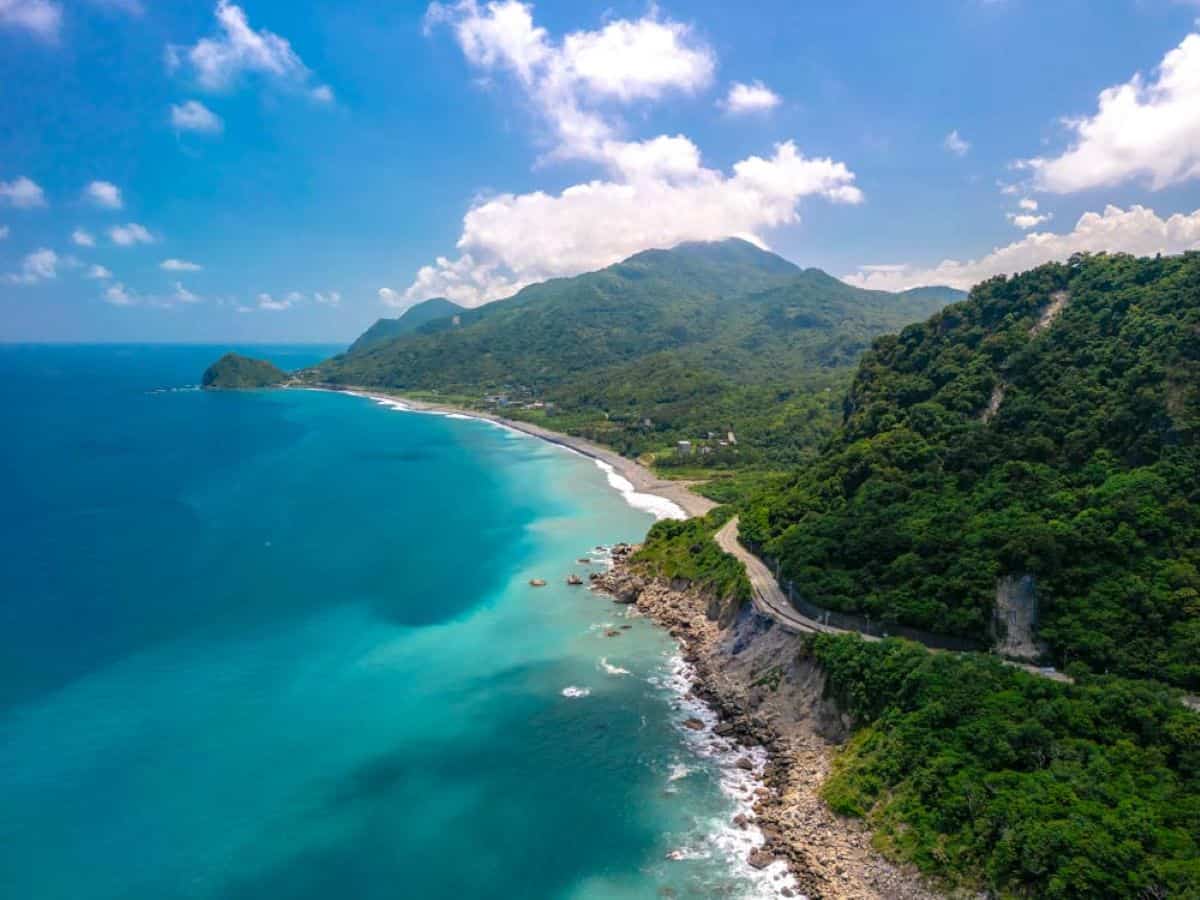
Imagine standing on a factory floor in Taiwan where the newest technology meets real human enthusiasm. It is no longer, about hearing machines work; it is an emotional and surprising adventure that shows the core of worldwide progress. Taiwan Industrial Tourism changes the way we travel turning factories into lively and memorable places full of curiosity and amazement. In this place each tour tells a story that awakens your senses encourages you to explore and builds a bond with the skilled work that builds our future. Taiwan Industrial Tourism invites you into a new age where learning, adventure and modern industry come together to spark your love for travel.
Revolutionary Transformation of Industrial Destinations into Educational Experiential Hubs
Advertisement
Advertisement
Industry analysts noted that Taiwan Industrial Tourism had successfully converted conventional factory spaces into vibrant, multi-purpose travel locations. The core objective of this evolution was to cultivate brand loyalty, unlock non-traditional commercial revenues, and foster local economic growth. Market researchers observed that turning operational plants into educational centers allowed firms to establish direct, transparent relationships with consumers. Furthermore, community planners highlighted that this paradigm shift provided regional economies with economic diversification. By converting standard assembly lines into interactive destinations, regional authorities created new employment opportunities and spurred infrastructure upgrades across municipal districts.
Travel industry strategists explained that integrating educational programming with leisure travel transformed public perceptions of commercial manufacturing. Observers noted that visitors no longer viewed factories merely as mass-production facilities, but rather as centers of technological innovation and cultural pride. This operational transformation positively influenced the market by stimulating demand for custom, hands-on guided visits.
Advertisement
Advertisement
In response, local service providers were developing sophisticated hospitality amenities within industrial parks. Experts emphasized that evaluating supply chain integration, visitor demographics, interactive design, and digital promotion strategies was crucial for measuring long-term sectoral success. This analytical framework demonstrated how traditional factory outlets had successfully transitioned into sophisticated, interactive brand destinations.
Strategic Categorization and Demographic Analysis Across Global Geographic Markets
Advertisement
Advertisement
Market analysts explained that the broader industrial sector was organized into distinct operational categories, primarily Industrial Heritage Tourism and Scientific Tourism. Evaluators noted that Scientific Tourism commanded the primary market share by leveraging Taiwan’s world-class technological infrastructure and advanced semiconductor manufacturing centers. Business delegations and international travelers were consistently drawn to these high-tech facilities to gain direct insight into cutting-edge electronic assembly operations. In contrast, Industrial Heritage Tourism focused on repurposing historical manufacturing sites, legacy mines, and traditional workshops into educational cultural parks. Although heritage sites provided rich historical context, high-tech science facilities remained the primary driver of overall economic output and visitor volume.
Demographic assessments revealed that visitor engagement varied considerably across different age brackets, spanning from under 20 Years to Above 50 Years. Researchers identified the Below 20 Years segment as the fastest-growing revenue channel. This rise was fueled by an increasing demand for hands-on, educational school field trips and digital exhibits. For individuals aged 20-30 Years, these tours served as practical avenues for career exploration and professional networking. The 30-40 Years demographic primarily utilized these locations for family-oriented educational outings that blended leisure with skill-building activities. Participants in the 40-50 Years bracket sought craftsmanship appreciation and nostalgia, while travelers aged Above 50 Years preferred relaxed, heritage-focused guided excursions. Geographically, this model attracted strong interest from North America, Europe, Asia-Pacific, Latin America, and the Middle East & Africa, drawing visitors from the United States, Canada, Germany, France, the United Kingdom, Italy, Russia, China, Japan, South Korea, India, Australia, Indonesia, Thailand, Malaysia, Mexico, Brazil, Argentina, Colombia, Turkey, Saudi Arabia, and the United Arab Emirates.
Advanced Technological Drivers, Sustainability Imperatives, and Market Growth Forecasting
Technological integration emerged as a primary catalyst driving the expansion of global industrial travel. Analysts reported that adopting augmented reality (AR) platforms, smart factory demonstrations utilizing IoT and AI, and hybrid live-streamed tours significantly elevated visitor engagement. These technical enhancements transformed static production sites into responsive, real-time learning environments. Additionally, forward-looking forecast models indicated that the overall sector could achieve an accelerated growth rate of approximately 8.5% during the forecast period. This potential surge was attributed to the rapid implementation of immersive tools that prolonged visitor stay durations and encouraged repeat visits.
Simultaneously, the industry experienced a surge in eco-friendly and specialized micro-tourism offerings. Travel planners noted growing demand for tours centered on green energy plants, upcycling facilities, and high-tech semiconductor fabrication. Operators responded by designing custom itineraries for K-12 educational institutions, corporate groups, and MICE (Meetings, Incentives, Conferences, and Exhibitions) events. These specialized programs catered directly to eco-conscious travelers and professional organizations seeking meaningful, corporate-social-responsibility-aligned experiences. By merging digital innovation with thematic storytelling and environmental sustainability, industrial operators successfully converted functional plants into dynamic, long-term travel destinations.
Comprehensive Analysis of the Competitive Landscape and Commercial Strategy
Advertisement
Advertisement
Market observers highlighted that the competitive arena was shaped by specialized service providers utilizing distinct digital and operational strategies. Digital travel platforms leveraged large-scale data analytics and automated reservation infrastructure to market niche manufacturing tours directly to international consumers. Analysts noted that these digital distribution networks provided specialized facilities in Taiwan with widespread global exposure. Meanwhile, regional travel agencies capitalized on organized group itineraries, educational exchanges, and strong cross-border demand to maintain steady visitor volumes across major industrial parks.
Concurrently, corporate travel management firms integrated manufacturing visits directly into business itineraries. These specialized managers implemented real-time tracking systems, automated expense monitoring tools, and carbon footprint measurement frameworks to meet corporate sustainability goals. Analysts pointed out that these integrated management solutions made business-focused industrial travel far more transparent and environmentally accountable. Ultimately, the synthesis of advanced booking platforms, sustainable operational practices, and corporate travel integration reshaped international travel standards, establishing industrial tour programs as essential components of modern global itineraries.
Strategic Implementation of Intelligent IoT Architecture and Smart Infrastructure Systems Across Modern Industrial Corridors
Market analysts reported that the integration of Internet of Things (IoT) sensors and intelligent infrastructure had fundamentally reshaped operational environments across Taiwan. Observational data indicated that 72% of modern certified tourism facilities had embedded automated monitoring dashboards and smart sensor networks into their visitor corridors. Specialists noted that these digital upgrades allowed real-time tracking of visitor traffic, environmental conditions, and production line status. Consequently, facility managers optimized crowd movement while ensuring uninterrupted manufacturing operations.
Furthermore, empirical evaluations demonstrated that deploying smart facility infrastructure led to a 28% increase in average visitor dwell times within high-tech production centers. Observers explained that interactive displays, automated queue management systems, and real-time operational feedback loops kept guests engaged for longer periods. Additionally, automated scheduling mechanisms reduced peak visitor bottlenecking by 35% during weekend operational hours. Industry experts emphasized that these technological enhancements converted traditional, static observational paths into highly dynamic, responsive environments that elevated the overall quality of modern commercial visits.
Quantifying Regional Economic Impact and Local Community Employment Generation Mechanisms
Advertisement
Advertisement
Economic researchers highlighted that factory-based tourism served as a vital catalyst for regional financial growth and employment expansion outside traditional metropolitan destinations across Taiwan. Official records revealed that certified operational tour facilities generated over NT$6.69 billion (USD 211 million) in direct annual economic output. Analysts noted that this substantial figure reflected combined revenue from ticket admissions, specialized retail purchases, and ancillary hospitality services integrated within industrial parks.
Simultaneously, recorded data confirmed that annual visitor volume across these certified manufacturing destinations reached 21.36 million visitors. Economists pointed out that this heavy footfall generated substantial economic spillover effects for surrounding rural and suburban districts. Specifically, regional development assessments indicated that establishing operational tourism projects accounted for a 14% boost in local hospitality and retail employment within peripheral manufacturing hubs. Local municipal authorities emphasized that converting operational industrial assets into tourist sites effectively diversified local economies, created sustainable jobs, and stimulated persistent regional infrastructure development.
Integration of Environmental, Social, and Governance (ESG) Frameworks and Sustainable Tour Operations
Environmental policy specialists reported that sustainability mandates were reshaping operational designs across modern commercial facilities in Taiwan. Strategic audits disclosed that 64% of scientific and operational facilities offered verified carbon-neutral tour itineraries to corporate and leisure visitors. Industry monitors noted that these eco-friendly initiatives aligned with broader global commitments toward decarbonization, appealing directly to environmentally conscious international travelers.
In addition, sustainability reports indicated that specialized upcycling facilities and eco-tour centers achieved an average 40% reduction in single-use plastic consumption across their visitor reception complexes. Operations management experts noted that integrating circular economy principles into visitor programs substantially lowered overall environmental footprints. Market surveys further revealed that over 58% of international corporate clients prioritized commercial destinations that displayed transparent ESG performance metrics. Consequently, sustainable facility management emerged as a primary competitive differentiator for attracting high-value corporate delegations and eco-conscious global travelers.
Comparative Financial Output and Structural Divergence Between Scientific and Heritage Destinations
Advertisement
Advertisement
Market evaluators conducted extensive structural comparisons between modern technology hubs and legacy industrial sites across Taiwan. Financial analyses revealed a significant revenue share disparity, with Scientific Tourism commanding 68% of total sector earnings. Observers explained that this dominance stemmed primarily from high-value visits by international business delegations, engineering professionals, and technology enthusiasts seeking firsthand exposure to advanced production ecosystems.
Furthermore, spending metrics highlighted a dramatic contrast in visitor purchasing behaviors across these distinct categories. Research indicated that visitors accessing high-tech semiconductor and biotech hubs spent an average of USD 185 per visit, compared to USD 62 per visit at historical cultural sites. Consequently, market reservation data reflected this divide, with scientific facilities capturing 62% of global tour bookings, while heritage cultural locations secured 38%. Industry strategists concluded that while heritage sites provided valuable historical context, high-tech operational facilities remained the primary driver of total sectoral revenue and international profile expansion.
Institutional Educational Alliances and STEM Curriculum Integration in Modern Production Spaces
Educational policy analysts reported that formal partnerships between academic institutions and manufacturing facilities had established robust, long-term visitation channels across Taiwan. Demographic tracking showed that primary and secondary academic group visits accounted for 45% of total weekday visitor volumes within scientific facilities. Experts noted that these structured excursions allowed educational boards to integrate real-world industrial applications directly into standard science, technology, engineering, and mathematics (STEM) curricula.
Moreover, institutional records confirmed that over 320 academic institutions maintained formal annual excursion agreements with certified industrial travel centers. Educational researchers emphasized that these multi-year partnerships guaranteed steady, non-seasonal visitor footfall for facility operators. Survey data further revealed that interactive educational modules incorporating augmented reality (AR) tools achieved a 92% user satisfaction rating among younger student cohorts. Consequently, commercial operators continued to invest heavily in curriculum-aligned educational displays to secure long-term academic engagement.
Corporate MICE Market Synergies and Customized Enterprise Team-Building Initiatives
Advertisement
Advertisement
Industry strategists observed strong alignment between Meetings, Incentives, Conferences, and Exhibitions (MICE) travel segments and operational facility visits across Taiwan. Corporate financial reports indicated that enterprise incentive groups contributed 26% of total annual revenues within the scientific travel category. Evaluators noted that business organizations increasingly selected high-tech manufacturing sites to deliver immersive corporate learning and team-building experiences.
Additionally, operational booking data showed that customized business tour packages accommodated an average group size ranging between 45 to 120 delegates per corporate reservation. Human resource managers reported that combining technical plant tours with structured collaborative workshops enhanced employee engagement and brand alignment. As a result, facilities offering tailored corporate programs recorded a 38% repeat reservation rate within a 24-month operational cycle, confirming the commercial viability of catering directly to enterprise clients.
Digital Distribution Network Penetration and Cross-Border Marketing Conversion Dynamics
Digital travel analysts highlighted that automated booking platforms and big data analytics were critical in driving foreign reservation volumes to commercial facilities across Taiwan. Distribution studies revealed that 78% of international independent travelers reserved their industrial facility tours through digital channels. Analysts noted that seamless online booking interfaces significantly reduced reservation barriers for non-native language visitors.
Furthermore, marketing metrics demonstrated that facilities deploying targeted, data-driven advertising campaigns achieved a 3.2x increase in foreign visitor reservations compared to traditional promotional methods. Regional origin tracking revealed that travelers from the Asia-Pacific region accounted for 54% of foreign bookings, followed by North America at 22% and Europe at 16%. Industry observers concluded that expanding digital platform distribution remained essential for capturing emerging international demand and maximizing global consumer reach.
Long-Term Capital Investment Trajectories and Financial Growth Outlook Through 2033
Advertisement
Advertisement
Financial analysts projected sustained capital investment and steady revenue expansion across the industrial travel ecosystem in Taiwan. Long-term economic forecasting models indicated that the sector was well-positioned to maintain a compound annual growth rate (CAGR) ranging between 5.3% and 8.5% through 2033. Economists noted that this upward trajectory was supported by persistent public and private capital allocations aimed at upgrading visitor infrastructure.
Specifically, investment tracking reports confirmed that over USD 450 million in combined private enterprise and public development capital was designated for facility renovations, interactive exhibit upgrades, and digital visitor center expansions. Furthermore, financial breakdowns revealed that direct on-site retail purchasing including proprietary branded merchandise, local artisanal products, and specialized foods accounted for 42% of total facility revenues, supplementing standard tour admission fees. Strategists emphasized that diversifying income streams through on-site retail ensured long-term financial stability and operational resilience for industrial tourism operators.
The Final Verdict
At its core this amazing trip through Taiwan’s world isn’t just about visiting factories. It’s really about seeing people’s creativity, work and pride up close. Of just looking at cold machines and assembly lines you find the real energy of new ideas and care for the planet. That’s what brings everyone together. Each tour feels like stepping into something. It makes you wonder and reminds you how linked everything in the world really is. When you leave you don’t just take photos or souvenirs. You carry an excitement for learning, a stronger appreciation, for how things are made today and a lasting inspiration that changes the way you look at life forever.
Advertisement
