
Saudi Arabia Showcases Falconry Heritage as International Falcons Exhibition Opens Near Riyadh

Published
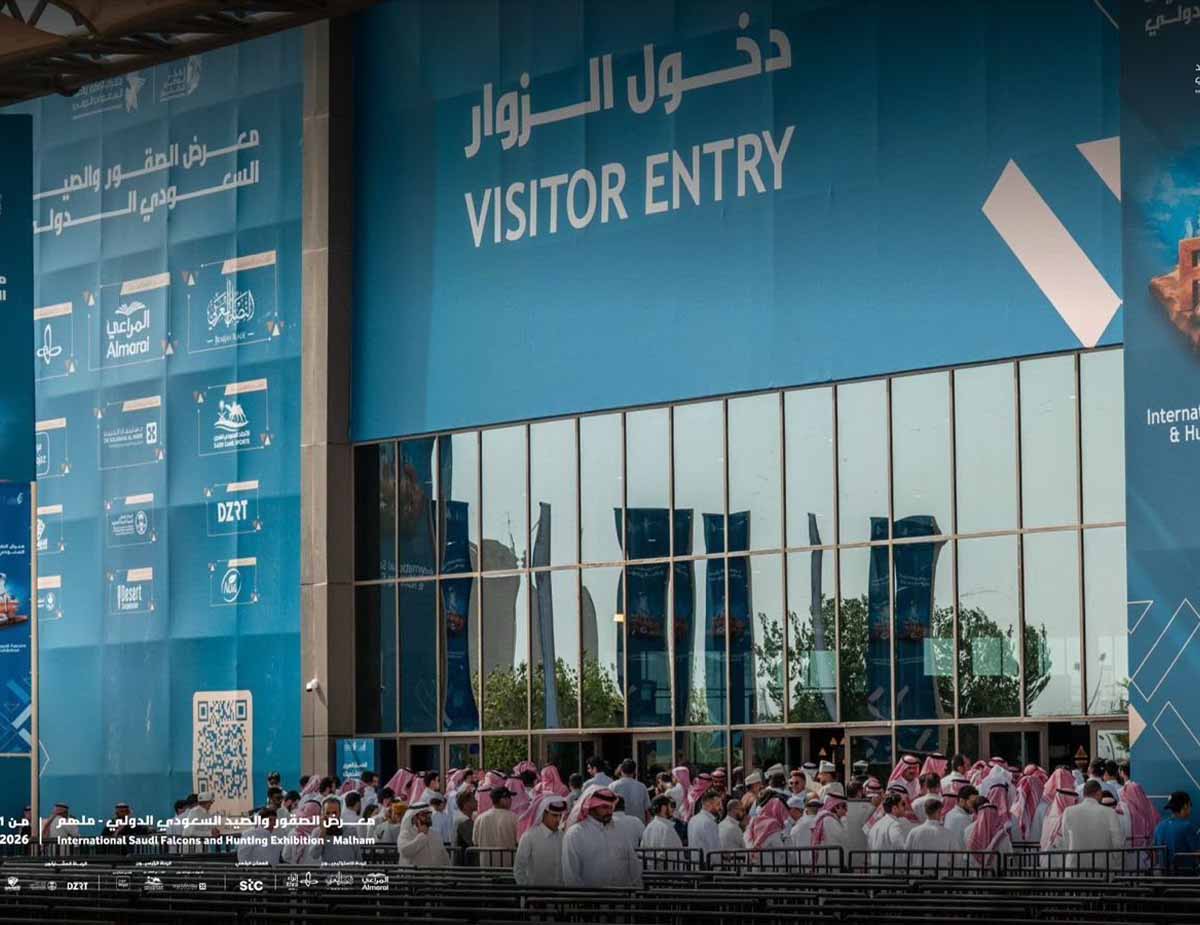
Saudi Arabia is putting falconry at the heart of a wider cultural tourism experience this October, as the International Saudi Falcons and Hunting Exhibition 2026 welcomes visitors to Malham, north of Riyadh. The event combines living heritage, traditional crafts, outdoor adventure and family activities, offering travellers a distinctive addition to a Saudi itinerary.
What is the International Saudi Falcons and Hunting Exhibition 2026?
The International Saudi Falcons and Hunting Exhibition 2026 brings together falconry, heritage, adventure, culture and outdoor pursuits in a large-scale visitor experience north of Riyadh. Organised by the National Center for Falcons, the exhibition runs from 1 to 10 October at the Riyadh Exhibition and Convention Center.
Advertisement
Advertisement
Covering approximately 197,000 square metres, the event features 21 events and zones designed to introduce visitors to different aspects of Saudi heritage and outdoor life. While falconry remains the central theme, the programme extends well beyond birds of prey, creating a broader cultural proposition for domestic and international visitors.
For international travellers, including visitors from the United States, the exhibition provides an opportunity to encounter an important part of Saudi identity while exploring experiences that connect traditional knowledge with contemporary tourism.
Advertisement
Advertisement
Why is falconry important to Saudi Arabia?
Falconry is more than an attraction at the exhibition because it represents a living cultural tradition with deep historical roots across the Arabian Peninsula. UNESCO recognises falconry as living human heritage, reflecting knowledge, skills and practices passed from generation to generation.
The exhibition places this heritage within a visitor-friendly setting, allowing travellers to understand the relationship between falconers, birds and the environment. Rather than presenting falconry simply as a spectacle, the event provides context around the skills and knowledge associated with the practice.
Advertisement
Advertisement
For cultural travellers, this offers a different perspective on Saudi Arabia. The experience connects the country’s contemporary tourism ambitions with traditions that have remained important to communities over generations.
How does the Shalayel Museum add historical context?
The Shalayel Museum provides visitors with an opportunity to explore the historical relationship between Saudi leadership and falconry. Its collection includes photographs and heritage material documenting the role of falconry and the people who helped preserve its traditions.
Historical images of falconers and Riyadh’s falcon market provide additional context, showing how the practice was connected to everyday life and the development of the capital. These displays can be particularly relevant to travellers interested in photography, history and cultural heritage.
For American visitors unfamiliar with the tradition, the museum element can help transform a visit from a short encounter with falcons into a broader understanding of the social and historical significance of the practice.
What other Saudi traditions can visitors experience?
The exhibition also introduces visitors to Saudi Arabia’s maritime heritage through a new marine heritage showcase. Centred around a sailing vessel, the presentation demonstrates traditional boatbuilding alongside fishing-net making and rope twisting.
These activities broaden the cultural narrative beyond the country’s desert traditions. They highlight the knowledge developed by communities living along Saudi Arabia’s coastline and demonstrate how practical skills have been maintained through generations.
Advertisement
Advertisement
For tourism planners, this variety is significant because it allows visitors with different interests to find an entry point into the exhibition. A traveller interested in crafts can focus on traditional production techniques, while another visitor may be more attracted to maritime history or falconry.
What outdoor activities are available?
The exhibition incorporates a substantial outdoor component, bringing adventure tourism into a programme otherwise centred on cultural heritage. Visitors can encounter hiking, safari and four-wheel-drive experiences, alongside equestrian activities and other outdoor pursuits.
This combination gives the event a wider appeal for travellers who want more than a conventional museum or exhibition visit. Outdoor experiences can complement a Riyadh city itinerary by introducing visitors to activities associated with Saudi Arabia’s landscapes and traditional relationship with the natural environment.
Folkloric performances and workshops add further opportunities for visitors to engage with Saudi culture. The result is a programme that moves between observation and participation, allowing travellers to experience different dimensions of the country’s heritage.
How does the exhibition appeal to families?
Families are also part of the exhibition’s visitor proposition. The Future Falconer experience introduces younger visitors to falconry and the cultural knowledge surrounding it.
Such programming gives the event an educational dimension while making the tradition accessible to a younger audience. Instead of presenting heritage exclusively through formal displays, the experience can encourage children and families to learn through direct engagement.
Advertisement
Advertisement
For international families travelling through Riyadh, this can provide an alternative to conventional sightseeing. It also demonstrates how heritage attractions can be structured to appeal across generations without losing their cultural focus.
Why could the event interest American travellers?
For American travellers, the exhibition offers a distinctive cultural experience that can be incorporated into a wider Saudi Arabia journey. Visitors interested in history can explore the museum and heritage displays, while adventure-focused travellers can consider hiking, safari and four-wheel-drive experiences.
The event also creates opportunities for travellers interested in traditional craftsmanship, photography, cultural tourism and family experiences. This range makes it possible to build different travel narratives around the same event.
For US travel advisors and tour operators, the exhibition could therefore work as one component of a broader Riyadh programme rather than as a standalone attraction. A city stay could combine the exhibition with other cultural and tourism experiences, giving travellers a more varied understanding of the destination.
What does the exhibition mean for Saudi tourism?
The event illustrates how specialised cultural heritage can be developed into a broader tourism experience. Falconry provides the central identity, but the exhibition expands its appeal through crafts, history, adventure, entertainment, education and commercial activity.
That approach can be important for destinations seeking to attract international visitors. A single cultural tradition can become a gateway to wider destination discovery when it is presented alongside complementary experiences.
Advertisement
Advertisement
The exhibition’s commercial component also brings together businesses and specialists connected with falconry, hunting and outdoor pursuits. This gives the event relevance beyond leisure tourism, creating a meeting point for professionals and businesses operating within specialised sectors.
How can the exhibition fit into a Riyadh itinerary?
Travellers visiting Riyadh in October can consider the exhibition as a cultural and outdoor addition to a wider city itinerary. Its location in Malham, north of Riyadh, provides a reason to explore beyond the central urban areas and experience a different setting.
A visit can be shaped according to individual interests. History-focused travellers can prioritise the museum and heritage displays, families can explore interactive activities, while adventure travellers can spend more time with outdoor experiences.
The exhibition can therefore function as both a cultural attraction and an introduction to wider experiences connected with Saudi Arabia’s heritage and landscapes.
Why does the exhibition matter for international tourism?
The International Saudi Falcons and Hunting Exhibition demonstrates how a specific element of national heritage can be used to create a multidimensional tourism experience. Falconry remains the central attraction, but the event’s wider programme gives visitors several reasons to stay, explore and learn.
For international audiences, this provides an opportunity to encounter Saudi Arabia through living traditions rather than relying solely on conventional sightseeing. The combination of heritage, craftsmanship, adventure and family programming also reflects the increasing importance of experience-led tourism.
Advertisement
Advertisement
As Saudi Arabia continues to develop its international tourism proposition, events such as this can help introduce visitors to cultural practices while connecting those traditions with contemporary travel experiences.
The International Saudi Falcons and Hunting Exhibition 2026 offers travellers a distinctive way to experience Saudi Arabia through falconry, heritage, craftsmanship and outdoor adventure. Running until 10 October, the event provides international visitors with a culturally focused experience that can complement a wider Riyadh itinerary and encourage exploration beyond the capital’s conventional attractions.
Advertisement
