
Hungary Aligns With Austria And More Unveils Hidden Medieval Alpine Trails

Published
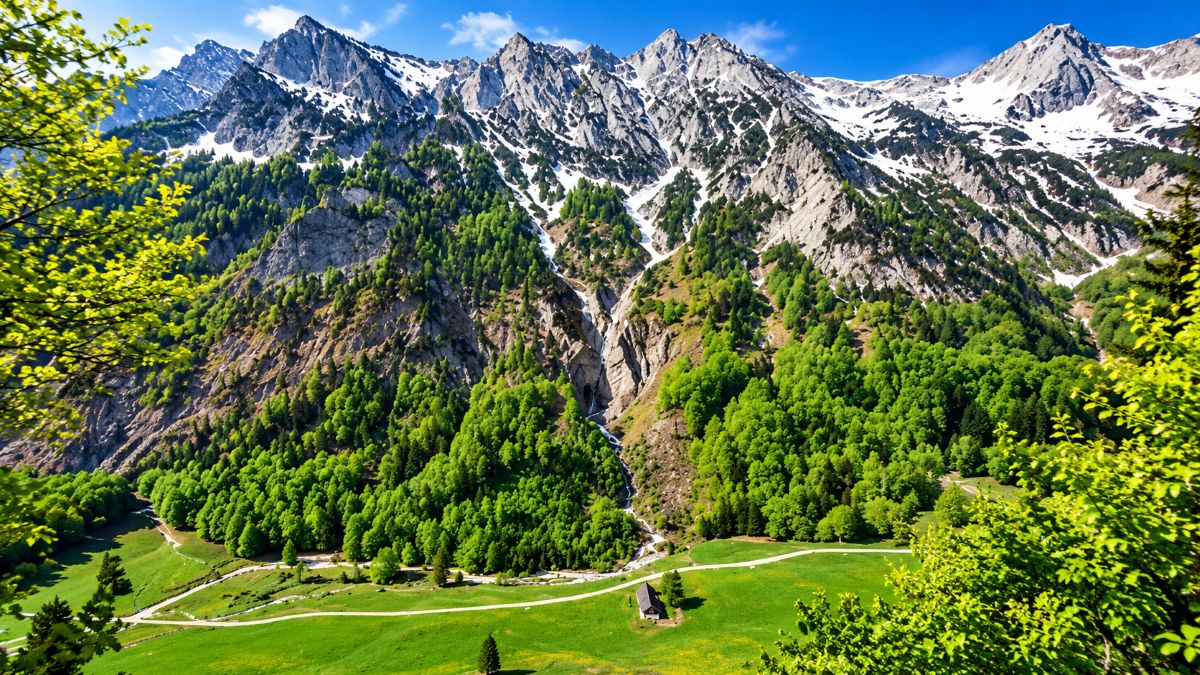
Ancient Celtic tribes, Roman legions, and medieval knights left an indelible mark on the dense forests of the Eastern Alps, carving routes that endure to this day. Spanning the tranquil borderlands where eastern Austria meets western Hungary, these historical pathways offer modern travelers a unique blend of outdoor activity and heritage. The gentle slopes of the Kőszeg Mountains and the rolling hills of Burgenland present an ideal setting for autumn excursions. As the autumn foliage turns gold, exploring these forest trails provides a deep connection to centuries of European history, away from the standard tourist crowds.
Travelers venturing along this cross-border region encounter a landscape dotted with ancient watchtowers, medieval strongholds, and mineral springs. The physical terrain seamlessly connects the two nations, providing exceptional opportunities for both leisurely hiking and thrilling mountain biking. Local infrastructure, including dedicated bike shuttles and well-marked footpaths, makes navigating these historical sites straightforward. Whether walking among ancient Celtic terraces or cycling past fortress ramparts, visitors experience a rich narrative of territorial defense, trade, and cultural evolution embedded directly within the alpine scenery.
Advertisement
Advertisement
Centuries Of History Preserved In The Kőszeg Forest
Nestled at the foot of the Kőszeg Mountains, the picturesque Hungarian village of Velem serves as a gateway to ancient Alpine history. High above the settlement, perched at an altitude of 589 meters, the white Saint Vid Chapel stands as a landmark visible across the plains. Constructed in the early 18th century, the chapel rests upon the ruins of an ancient settlement. Archeological remnants in the surrounding forest reveal man-made terraces built by Celts over two thousand years ago, followed by Roman sentinels who built watchtowers to protect vital aqueduct routes leading toward the ancient city of Savaria.
Beyond its historical sites, Velem offers varied routes for outdoor enthusiasts seeking natural springs and high elevations. The Springs Trail, known locally as Források útja, stretches across 14 kilometers and features 11 distinct stations highlighting natural water sources throughout the forest. For those seeking expansive views, trails ascend from Velem up to Geschriebenstein, the highest peak in the region directly straddling the border between Hungary and Austria. The forested paths offer a calm setting for autumn walks, surrounded by centuries of heritage and mountain flora.
Advertisement
Advertisement
Medieval Defense And Historic Architecture In Kőszeg
A short journey from the border lies Kőszeg, widely regarded as one of the most charming historic towns in Hungary. At the center of the town stands Jurisics Castle, a Gothic and Renaissance fortress famous for its role during the 1532 Siege of Kőszeg. During this event, Captain Miklós Jurisics, alongside a small garrison of 50 soldiers and roughly 700 local civilians, successfully resisted the advancing Ottoman forces marching toward Vienna. The unexpected defense stalled the campaign, securing the town a legendary place in Central European history.
Visiting Kőszeg allows travelers to trace the step-by-step connection between deep forest trails and urban medieval defense. Hikers can traverse the mountain routes connecting Velem to Kőszeg in a single day, passing natural cold-water springs and the historic 19th-century Styrian forestry houses along the way. Upon reaching the town, the cobblestone streets, preserved fortifications, and quiet squares offer a rich cultural end to a day of physical exploration in the Eastern Alps.
Advertisement
Advertisement
Alpine Trails And Medieval Castles Regional Overview
| Destination | Country | Historical Significance | Primary Outdoor Activity | Key Feature | | Velem | Hungary | Celtic settlements and Roman watchtowers | Hiking and cultural walks | Saint Vid Chapel and Springs Trail | | Kőszeg | Hungary | Site of the 1532 Ottoman Siege | Historic town walking and trail hiking | Jurisics Castle and old town fortifications | | Lockenhaus | Austria | 13th-century Templar fortress connection | Mountain biking and nature viewing | Geschriebenstein trails and bat colony | | Stadtschlaining | Austria | Well-preserved medieval architectural center | Cycling and vineyard excursions | Burg Schlaining and Südburgenland wine routes |
Knightly Legends And Mountain Biking At Lockenhaus
Across the border in Austria, Lockenhaus Castle rises dramatically out of the forested landscape of the Geschriebenstein Nature Park. Dating back to the 13th century, this formidable fortress is historically associated with the Knights Templar and features classic medieval architecture. Today, the surrounding woodlands feature a network of purpose-built mountain biking trails suitable for varying skill levels, ranging from gentle forest loops to challenging downhill rides.
Cyclists visiting the area benefit from tailored local transport options, such as the Burgenland Trails shuttle operating from nearby Rechnitz. These minibuses carry riders and equipment directly to designated trailheads near the Geschriebenstein summit. From this high point, riders can choose downhill routes leading toward Lockenhaus, the Rechnitz bathing lake, or across into Hungary. The castle itself hosts native wildlife, including a protected colony of Geoffroy’s bats, kestrels, and swifts, while nearby lake paths offer glimpses of local beaver habitats.
Preserved Medieval Charm And Wine Routes In Stadtschlaining
Located just 22 kilometers from Lockenhaus along the R1 Jubiläumsradweg bicycle path, Stadtschlaining offers a look into Austria’s architectural past. The town is dominated by Burg Schlaining, a remarkably preserved 13th-century castle situated on the edge of the settlement. The town center retains its historic layout, featuring traditional buildings surrounded by rolling countryside that encourages slow travel, gentle walking, and long-distance cycling.
Stadtschlaining also serves as an entry point to the idyllic wine routes of Südburgenland, known for rolling vineyards and rural charm. Travelers can cycle along scenic paths to reach local heuriger wine taverns and farmsteads offering regional ciders and traditional food. Access to the castle gardens is free to the public, providing a peaceful resting spot after a day spent exploring the historical trails and rustic countryside along the Austrian-Hungarian border.
FAQs
What is the best time of year to hike these medieval trails in the Eastern Alps? Autumn is widely considered the ideal season for hiking and cycling in this region due to comfortable temperatures, clear skies, and vibrant forest colors across the slopes.
Advertisement
Advertisement
Are the trails suitable for beginner hikers and casual cyclists? Yes, the region offers a wide range of routes, from gentle walking paths like the Springs Trail to accessible cycling paths like the R1 Jubiläumsradweg.
Do I need a passport to cross between the Hungarian and Austrian sections of the trails? Both Hungary and Austria are members of the Schengen Area, meaning there are no regular border controls along the trails, though carrying valid identification is always recommended.
How do cyclists reach the top of the mountain biking trails near Lockenhaus? A dedicated shuttle bus service operates on weekends and public holidays from Rechnitz, transporting riders and their bikes up to key trailheads near Geschriebenstein.
What is the historical significance of Jurisics Castle in Kőszeg? Jurisics Castle is famous for the 1532 siege where a small group of defenders successfully held off a massive Ottoman army marching toward Vienna.
Can visitors enter Burg Schlaining and Lockenhaus Castle? Yes, both medieval castles are open to the public and feature historical exhibits, guided tours, and access to the surrounding grounds and gardens.
Are mountain biking trails separated from footpaths in Geschriebenstein Nature Park? Yes, the local network clearly separates dedicated mountain bike tracks from walking paths to ensure safety for both hikers and cyclists.
Advertisement
Advertisement
What ancient civilizations left marks near the village of Velem? Velem features historical remnants from both Celtic tribes, who built terraced settlements, and the Romans, who constructed watchtowers for water security.
What local products can travelers taste along the Südburgenland wine route? Travelers along the Südburgenland route can enjoy regionally produced wines, fresh ciders, and traditional dishes served at local heuriger taverns.
How long is the Springs Trail near Velem, and what does it feature? The Springs Trail spans 14 kilometers and guides hikers past 11 designated stations featuring natural mountain springs throughout the Kőszeg range.
Advertisement
