
Robust Completion Rates and Heightened Punctuality Registered by Wizz Air Ahead of the High-Demand Summer Travel Season

Published
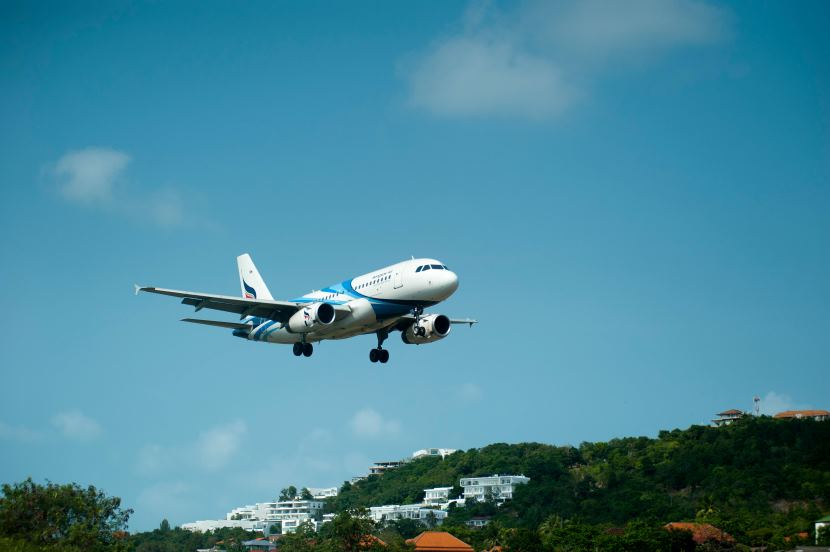 Image generated with Ai
A robust operational performance was delivered by Wizz Air, recognized as one of the prominent low-cost airlines operating across Europe, during the initial four months of the calendar year 2026. This period of strategic execution has been utilized to reinforce the market standing of the carrier as one of the most reliable airlines on the continent. These developments have occurred immediately prior to the commencement of the highly active summer travel period, a timeframe that traditionally subjects aviation infrastructure to heightened levels of operational pressure.
Reassurance, predictability, and stability are actively sought by travellers across the European continent at this juncture. This demand for consistency arises amidst ongoing geopolitical uncertainty and various systemic disruptions by which specific sectors of the global aviation industry are currently affected. The resilience of the carrier’s network, alongside the fundamental strength of day-to-day flight management, is clearly demonstrated by these operational results.
Leadership Insights on Network Dependability and Cost Management
The foundation of customer trust is built upon operational reliability, as observed by Ian Malin, the Chief Commercial Officer of Wizz Air. Confidence can be maintained by passengers who choose to travel with the airline as the summer season progresses, with this assurance backed by verified operational metrics, disciplined execution, and an enduring commitment to systematic optimization. Although wider challenges, including geopolitical volatility, are being faced by the broader aviation community, the primary focus of the management team remains unaltered. A stable network is operated, disruption for customers is minimized, and passengers are transported to their intended destinations both safely and punctually. The high degree of importance attached to summer holidays by the travelling public is fully acknowledged, and the airline remains positioned to facilitate journeys to these vacation destinations.
Furthermore, it was emphasized by Ian Malin that despite the escalations observed in global jet fuel prices, the cancellation of flights is not planned, nor is the transfer of these additional financial burdens to consumers through inflated ticket pricing. The preservation of network stability and the maintenance of affordable fare structures for all passengers remain the foremost priorities of the organization.
Advertisement
Advertisement
Statistical Analysis of Operational Reliability Metrics
Between the months of January and April 2026, a completion rate of 99.53 percent was recorded by Wizz Air. By achieving this specific statistic, a placement among the top three major airline operators within the European region was secured by the carrier. The ability of an aviation enterprise to execute its pre-determined flight schedules consistently and predictably, even when confronted with a complex and challenging external operating environment, is directly reflected by this metric. Greater confidence is thus afforded to passengers that booked flights will be operated as scheduled throughout the peak summer travel window.
The efficacy of the operational planning strategies utilized by Wizz Air is highlighted by these outcomes. Concurrently, the results validate the substantial investments made by the company into structural resilience, alongside its core focus on the provision of a predictable travel experience for millions of consumers across European territories and adjacent international markets.
Advertisement
Advertisement
Analysis of Punctuality Indicators and Network Optimization
Strong punctuality outcomes across multiple primary industry benchmarks were also reported by Wizz Air. The carrier was ranked among the top-performing transportation companies in Europe regarding First-Wave Departures, an industry metric quantified as FW D0%. The efficacy with which an airline initiates its daily flight schedules during the early morning hours is evaluated by this specific standard. The preservation of systemic stability across the entirety of a flight network is heavily dependent upon a strong first-wave performance, through which subsequent delays are minimized and the passenger experience is insulated from compounding disruptions throughout the remainder of the operating day.
When evaluated against broader punctuality parameters—including exact departure performance, departures within fifteen minutes, and arrivals within fifteen minutes, designated respectively as D0%, D15%, and A15%—the carrier was consistently positioned within the premier echelon of European aviation companies during the first four months of the year. On-time departures and arrivals are precisely calibrated by these metrics, which are universally accepted within the commercial aviation sector as credible indicators of operational consistency.
Advertisement
Advertisement
Additionally, an arrival metric within 180 minutes, known as A180%, was recorded at a level exceeding 99 percent during the same four-month timeframe. This represents the most favorable performance achieved by the organization within this particular metric over the preceding four-year period. Ongoing progress in the mitigation of protracted delays is clearly demonstrated by this figure, ensuring that destinations are reached by passengers with a high degree of certainty.
Strategic Planning and Customer Support Advancements for Seasonal Demand
The presentation of these strong operational metrics coincides with a period wherein consumer demand for summer travel remains exceptionally robust. Concurrently, reliability and predictability are increasingly prioritized by passengers when the selection of an air carrier is made. Against a background characterized by persistent geopolitical instability and widespread operational pressures in various segments of the industry, reassurance is provided by these statistics that one of the most stable and dependable networks in Europe is being managed by Wizz Air.
Preparedness for the summer peak has been systematically reinforced by the airline through the implementation of enhanced logistical planning, modernized processes for crew and aircraft allocation, heightened coordination among cross-functional operational units, and sustained investments in technological infrastructure and customer relations.
As part of a broader corporate strategy directed toward lessening the impact of flight disruptions on the travelling public, a novel disruption assistance service was recently introduced in partnership with HTS. Through this initiative, eligible passengers are provided with proactive support during flight delays that extend beyond a duration of two hours. Expedited and automated assistance during unforeseen operational deviations is designed to be offered by this service, thereby strengthening the overarching customer support framework of the airline. Collectively, these comprehensive measures have been designed to facilitate smoother passenger journeys, mitigate structural disruptions, and imbue consumers with elevated confidence when journeys are undertaken during the peak summer months.
Advertisement
Advertisement
Evaluation of the Customer First Compass Initiative
The observed operational advancements are also reflective of the strategic momentum generated by the Customer First Compass initiative, an internal program that recently reached its one-year anniversary. This framework was originally introduced for the purpose of elevating the holistic customer experience across the entirety of the network, with specific emphasis placed on the enforcement of strict operational discipline and the improvement of decision-making protocols on the actual day of operations.
Over the course of the preceding year, structural improvements in operational resilience, corporate communication, and service delivery have been directly supported by the Customer First Compass initiative. Concurrently, the long-term obligations of Wizz Air toward its passenger base have been reinforced by this program. As the high-demand summer season is gradually entered, a concentrated focus remains maintained by the airline on the delivery of safe, reliable, and economically accessible air travel, while the optimization of operational performance across its extensive network continues to be pursued. This institutional commitment encompasses ongoing capital allocation toward operational durability, the defense of affordable fare pricing, and the guarantee that comprehensive support is received by customers before, during, and after their itineraries are completed.
Advertisement
