
Rome Targets Tourist Misbehavior with Eating Ban : What you need to know

Published
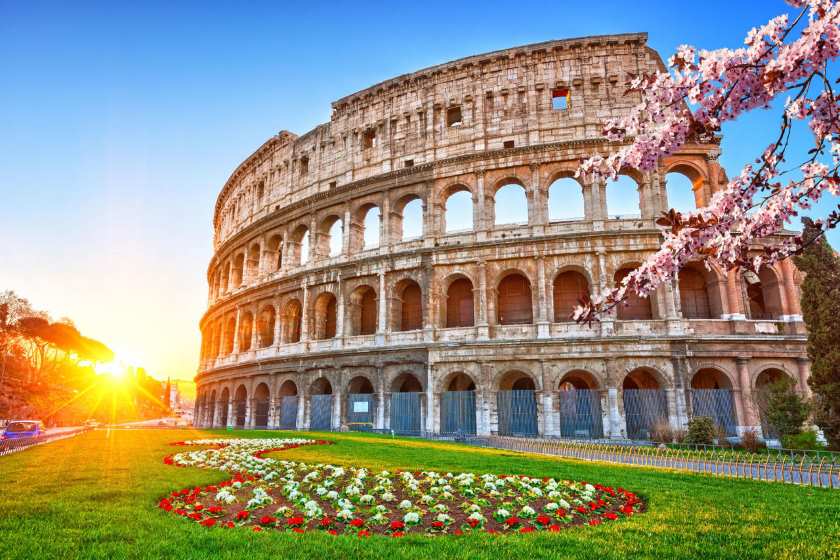 Image generated with Ai
Rome’s commitment to maintaining its cultural heritage extends beyond managing tourist behavior. The city has been actively working on preservation projects for its historical landmarks. The Colosseum, the Roman Forum, and the Pantheon are just a few of the ancient sites that receive regular maintenance and conservation efforts to ensure their longevity for future generations.
The implementation of fines for certain behaviors is a proactive measure to safeguard these treasured landmarks. By discouraging actions that can cause wear and tear or disrupt the experience for other visitors, Rome aims to balance tourism with preservation. These rules also emphasize respect for the city’s cultural and historical significance, reminding visitors that they are walking through a living museum.
Advertisement
Advertisement
Portofino’s Red Zones and Tourist Management
In Portofino, the introduction of “no waiting” red zones is part of a broader strategy to manage the influx of tourists during peak seasons. This picturesque town, known for its colorful buildings and stunning harbor, has become a favorite spot for social media enthusiasts. However, the popularity of certain scenic spots has led to human traffic jams, which can be both inconvenient and unsafe.
By enforcing fines for lingering too long in these areas, Portofino aims to improve the flow of pedestrian traffic and ensure that all visitors can enjoy the town’s beauty without unnecessary delays or overcrowding. This initiative is also intended to protect the local environment and infrastructure from being overwhelmed by tourist activities.
Advertisement
Advertisement
The Impact of Tourism on Local Communities
Both Rome and Portofino’s measures highlight a critical aspect of modern tourism: its impact on local communities. While tourism brings economic benefits, it also poses challenges such as overcrowding, environmental degradation, and strain on local resources. Managing these impacts is essential to sustaining tourism as a positive force for both visitors and residents.
By setting rules and enforcing fines, these cities are taking steps to mitigate the negative effects of tourism while enhancing the overall experience for everyone. These measures are not meant to deter tourists but to encourage responsible and respectful behavior. This approach helps to ensure that the charm and allure of these destinations are preserved for future travelers.
Advertisement
Advertisement
Future of Tourism in Historical Cities
The trend of implementing strict rules for tourists is likely to continue as more cities recognize the need to protect their cultural and historical assets. Other popular destinations, such as Barcelona, Venice, and Dubrovnik, have also introduced measures to manage tourism sustainably. These include restrictions on new hotel developments, limits on the number of cruise ships, and even visitor caps in certain areas.
For tourists, staying informed about local regulations and guidelines is crucial. Respecting these rules not only helps in preserving the destinations but also enhances the travel experience. Engaging with local cultures respectfully and responsibly ensures that travelers leave a positive impact on the places they visit.
Advertisement
Advertisement
Tips for Tourists Visiting Italy
If you’re planning a trip to Italy, here are some tips to help you navigate the local rules and make the most of your visit:
- Research Local Regulations: Before you travel, familiarize yourself with the rules in the cities you plan to visit. This includes regulations on public behavior, such as eating and drinking, as well as specific bans on certain activities.
- Respect Cultural Norms: Italy has a rich cultural heritage, and respecting local customs and traditions is essential. Dress appropriately, especially when visiting religious sites, and be mindful of local etiquette.
- Plan Your Visits: To avoid crowds and fines, plan your visits to popular landmarks during off-peak hours. This will allow you to enjoy the sites more peacefully and avoid contributing to congestion.
- Use Official Resources: Make use of official tourism resources and guides. They can provide valuable information on what to do and what to avoid, ensuring a smooth and enjoyable trip.
- Be Environmentally Conscious: Reduce your environmental footprint by avoiding activities that harm the local environment. Use reusable water bottles, dispose of trash properly, and choose sustainable travel options whenever possible.
By following these tips, you can enjoy a memorable and respectful visit to Italy, contributing to the preservation of its beautiful and historic destinations.
Advertisement
