

Tourists Eye Spain as Hotels Get Pricier, Leading Sierra de las Nieves and Similar Village Cottages Emerge as a Smart Alternative

Updated
Published
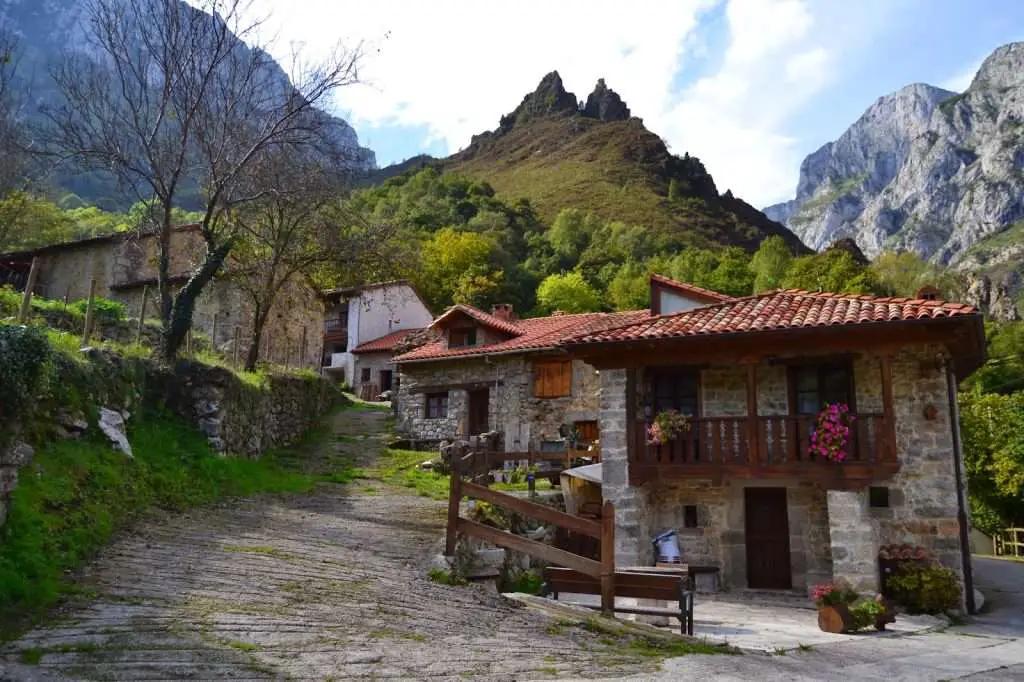
Spain is in the news as its hotel market is getting more expensive across several major tourism destinations, and that widening cost pressure could encourage more travelers to compare traditional hotels with village cottages, rural homes, and countryside stays. The strongest signals are appearing in places such as Mallorca, Marbella, Valencia, Alicante, and the Canary Islands, where hotel room rates have continued to rise in 2026. Rural accommodation is also becoming more popular with international visitors, while its price growth remains significantly slower than the increase recorded across Spain’s hotel sector.
Coastal resorts still dominate demand, but inland stays now offer a powerful value alternative. Larger spaces, kitchens and shared costs can make countryside homes more attractive. Rural tourism is also drawing more international visitors. The shift does not mean hotels are losing relevance. Instead, travelers are comparing every option more carefully as accommodation takes a bigger share of holiday budgets.
Advertisement
Advertisement
Spanish hotel markets where rising prices could strengthen the case for village cottages
| Spanish hotel market / segment | Latest hotel-price evidence | Increase vs previous year | Why tourists may feel the price pressure | Plausible rural or village alternative | Evidence that supports the rural-shift angle | Assessment |
|---|---|---|---|---|---|---|
| Spain overall | National hotel ADR reached €166.90 in August 2026 | +7.3% | Travellers are paying materially more for an occupied hotel room even before comparing premium destinations | Casas rurales, village houses and farm stays nationwide | Rural accommodation prices rose only 3.2% in August, less than half the ADR growth in hotels | Very strong national trend |
| Estepona, Málaga | August ADR: €418.00, Spain’s highest reported tourist-point ADR | INE does not publish the corresponding tourist-point YoY rate in its headline release | €418 per occupied room makes coastal hotel stays especially expensive for couples and families | Sierra de las Nieves, Casares hinterland, Genal Valley, inland Málaga villages | Andalucia has an extensive registered rural-accommodation market; inland villages offer a structurally different accommodation model | One of the strongest cottage-switch cases |
| Marbella, Málaga | H1 2026 ADR: €334.10 | +7.0% | Already one of Spain’s most expensive leisure-hotel destinations, with prices continuing to rise | Istán, Ojén, Benahavís surroundings, Sierra de las Nieves | Rural houses allow travellers to remain within the wider Costa del Sol region without staying in premium resort inventory | Extremely strong |
| Balearic Islands | Average H1 hotel ADR above €190 | +9.0% | One of the sharpest increases among major leisure destinations | Inland Mallorca fincas and village houses around Sineu, Selva, Pollença hinterland and Pla de Mallorca | Mallorca recorded more than 218,000 rural overnight stays in August and rural occupancy of 74.3%; Balearics reached 75.1% rural occupancy | Exceptionally strong |
| Valencia | Hotel ADR increased fastest among the major city markets studied | +9.5% H1 | A near-double-digit rate rise reduces Valencia’s previous price advantage over Madrid and Barcelona | Quesa, Bocairent, Requena-Utiel countryside, inland Valencia | Spain-wide rural price growth was only 3.2% in August; inland Valencia has established rural accommodation supply | Very strong |
| Alicante | Hotel ADR growth among the strongest leisure-market increases | +7.9% H1 | Higher coastal hotel pricing can make inland Costa Blanca accommodation relatively more compelling | Guadalest area, Vall de Gallinera, Alcoy hinterland, Marina Alta villages | Rural accommodation offers access to coast-and-mountain itineraries without requiring a beachfront hotel | Strong |
| Canary Islands | H1 ADR: €172.50 | +6.5% | Hotel prices continue rising despite a slight fall in occupancy | Rural houses in northern Tenerife, La Palma, La Gomera, inland Gran Canaria | The combination of ADR growth and slightly softer hotel occupancy suggests pricing is not simply the result of fuller rooms | Strong |
| Benidorm | H1 ADR: €89.90 | +6.4% | Still relatively affordable compared with Marbella or Barcelona, but the direction remains upward | Guadalest, Finestrat countryside, Polop, inland Marina Baixa | The rural argument is more about space and value for families than absolute room-price shock | Moderate–strong |
| Madrid | H1 ADR: €181.40 | +3.2% | An urban stay is considerably more expensive than several secondary Spanish destinations | Sierra Norte de Madrid, Patones, Rascafría, Chinchón area | Madrid is less suited to direct hotel-to-cottage substitution for city-break travellers, but longer-stay visitors can split city and rural nights | Moderate |
| Barcelona | H1 ADR: €195.50 | +1.8% | Rate growth is relatively modest, but the absolute nightly rate remains high | Montseny, Penedès villages, Berguedà, inland Girona | High absolute Barcelona hotel costs can encourage multi-centre trips combining the city with rural Catalonia | Moderate–strong on absolute cost |
| Five-star hotels nationwide | August ADR: €357.80 | National hotel ADR overall +7.3%; category-specific ADR YoY not stated in headline data | Luxury accommodation has reached a price level where premium rural villas or entire cottages become a credible substitute for groups | High-end fincas, rural estates and entire-house rentals | Rural properties can spread accommodation cost across several guests | Very strong for groups/families |
| Four-star hotels nationwide | August ADR: €176.70 | Hotel prices nationally +6.3% | Four-star rooms now sit above Spain’s overall ADR from many earlier periods | Mid-range casas rurales and village apartments | Rural accommodation price inflation was much lower in August | Strong |
| Three-star hotels nationwide | August ADR: €145.00 | National hotel prices +6.3% | Even mid-market hotel accommodation is becoming costlier | Rural guesthouses and casas de aldea | Cottage economics become particularly competitive when 3–6 travellers share one property | Strong for families |
| Ceuta | Highest regional hotel-price-index increase in August | +17.6% | The sharpest regional percentage rise in Spain in the latest INE release | Not a natural cottage-substitution market because of geography | Useful as evidence of hotel inflation, but poor fit for a Spanish-village-cottage story | Weak substitution case |
| Madrid region, August only | Regional hotel price index fell | −3.3% | Shows that the national trend is not uniform every month | Sierra de Madrid cottages remain an alternative for different reasons | Important counter-evidence: not every Spanish hotel market is getting dearer at the same time | Do not portray as universal inflation |
Why Are Rising Hotel Prices Becoming a Bigger Issue for Travelers in Spain?
Spain remains one of the world’s most powerful tourism markets, but the cost of staying in popular destinations is increasingly becoming part of the travel decision. Hotel prices have continued to rise through 2026, with the national Hotel Price Index climbing 6.3% year over year in August. Average daily room revenue reached €166.90, up 7.3%.
That increase matters because many travelers are not booking one room for one night. Families, couples traveling together, and longer-stay visitors can quickly face much higher accommodation bills.
Advertisement
Advertisement
The trend is especially noticeable in premium coastal markets, where room rates already sit well above the national average. Marbella, Mallorca, and parts of the Costa Blanca are among the destinations where growing hotel costs could push travelers to compare other forms of accommodation.
Village cottages are becoming part of that comparison because they can offer more space, self-catering facilities, and better value when several people travel together.
Advertisement
Advertisement
Which Spanish Hotel Markets Are Seeing Some of the Strongest Price Growth?
Several of Spain’s most important tourism markets have recorded notable increases in hotel room rates during 2026.
Valencia has emerged as one of the clearest examples. Hotel average daily rates increased by around 9.5% during the first half of the year, making it one of the fastest-growing major city hotel markets. The Balearic Islands followed closely with an increase of about 9%.
Alicante recorded hotel rate growth of roughly 7.9%, while Marbella posted an increase of around 7%. The Canary Islands also saw rates rise by approximately 6.5%.
These figures show that higher accommodation costs are not limited to one type of destination. They are affecting beach resorts, island markets, major cities, and luxury tourism areas.
The increase is particularly important because many of these destinations already attract large numbers of international visitors. As accommodation becomes more expensive, travelers may increasingly compare coastal hotels with rural properties located within driving distance of the same region.
Why Does Marbella Stand Out as One of Spain’s Most Expensive Hotel Markets?
Marbella is one of the clearest examples of how premium hotel pricing can reshape travel choices.
Advertisement
Advertisement
During the first half of 2026, the city recorded an average daily hotel rate of about €334.10, representing an increase of roughly 7% from the previous year. In August, nearby Estepona recorded an average daily rate of around €418, one of the highest reported tourism accommodation rates in Spain.
These figures place the western Costa del Sol among the country’s most expensive hotel zones.
For luxury travelers, the increases may not significantly change behavior. But families, groups, and longer-stay visitors could respond differently.
Instead of booking multiple resort rooms, some travelers may look toward inland communities such as Ojén, Istán, Casares, or villages near Sierra de las Nieves.
These locations can offer rural houses, larger properties, and more flexible accommodation formats while still keeping travelers within reach of Marbella, Málaga, and the Costa del Sol.
Could Mallorca’s Rising Hotel Rates Push More Visitors Toward Rural Fincas?
Mallorca may offer the strongest evidence that rural accommodation can compete with conventional hotels.
Advertisement
Advertisement
Hotel rates across the Balearic Islands rose around 9% during the first half of 2026, placing the region among Spain’s fastest-rising hotel markets. At the same time, Mallorca already has a mature and well-established rural accommodation sector.
In August, Mallorca recorded more than 218,000 overnight stays in rural tourism properties, while occupancy in rural accommodation reached about 74.3%. Across the Balearic Islands, rural occupancy rose to approximately 75.1%.
That means countryside accommodation is already an important part of the island’s tourism economy.
Travelers visiting Mallorca are not limited to beach resorts or city hotels in Palma. They can choose inland fincas, village houses, traditional rural estates, and countryside properties across areas such as Sineu, Selva, and other inland communities.
As hotel rates rise, these alternatives become increasingly relevant, especially for families and small groups.
Why Is Valencia Becoming an Important Market to Watch?
Valencia deserves particular attention because its hotel rate growth has been especially strong.
Advertisement
Advertisement
During the first half of 2026, average daily hotel rates rose approximately 9.5%, one of the highest increases among major Spanish city markets.
Valencia has traditionally attracted travelers seeking a combination of beaches, culture, food, and comparatively accessible prices. Faster hotel inflation could gradually change that positioning.
Visitors staying for several days may begin looking beyond the city center and coastal districts. Rural and small-town destinations in inland Valencia, including areas around Requena-Utiel, Bocairent, and mountain communities, can provide alternative accommodation options.
This does not mean tourists will stop staying in Valencia hotels. City-center properties remain essential for short breaks and travelers without cars.
However, rising hotel prices could encourage more flexible itineraries. Travelers may spend two or three nights in the city before continuing into the countryside, where village houses and rural properties can offer more space at a different price structure.
How Could Alicante and the Costa Blanca Benefit From a Rural Accommodation Shift?
Alicante is another destination where rising hotel prices could support greater interest in inland accommodation.
Advertisement
Advertisement
Hotel average daily rates increased by approximately 7.9% in the first half of 2026. That growth is significant because the Costa Blanca already attracts large numbers of leisure travelers, families, retirees, and international visitors.
Beachfront and resort accommodation remains central to the region’s tourism industry, but inland areas provide a different travel proposition.
Villages and mountain communities around Guadalest, the Marina Alta, Alcoy, and other interior areas can offer rural houses, apartments, and small guest properties.
For travelers renting cars, the difference between staying directly on the coast and staying inland may be relatively manageable.
A family requiring multiple hotel rooms may also find greater value in a whole rural property with several bedrooms and a kitchen.
As coastal room prices rise, the inland Costa Blanca could therefore gain greater visibility among visitors who prioritize space, flexibility, and overall trip cost.
Advertisement
Advertisement
Are the Canary Islands Seeing the Same Hotel Price Pressure?
The Canary Islands are also experiencing higher hotel rates.
Average daily rates reached approximately €172.50 during the first half of 2026, up around 6.5% from the previous year.
What makes the Canary Islands particularly interesting is that hotel pricing increased even as occupancy showed some softness. That suggests the market is maintaining relatively strong room rates despite modest changes in demand.
The islands also have a diverse rural tourism sector.
Northern Tenerife, inland Gran Canaria, La Palma, and La Gomera all offer countryside houses, traditional homes, and smaller village-based accommodation.
For travelers who are less focused on large resort complexes, these properties can provide a quieter and often more spacious alternative.
Advertisement
Advertisement
The comparison is especially relevant for repeat visitors. Travelers who already know the major resort areas may be more willing to explore inland communities, volcanic landscapes, hiking regions, and agricultural villages.
Higher hotel prices could reinforce that movement by making rural options more attractive from a value perspective.
Why Are Village Cottages Especially Attractive to Families and Groups?
The economics of accommodation change significantly when several people travel together.
Hotel room prices are usually calculated per occupied room. A family of four may need two rooms, particularly in properties with strict occupancy limits.
At Spain’s August 2026 average hotel rate of €166.90, two rooms would represent roughly €333.80 per night before meals, parking, resort charges, and other spending.
In higher-end hotels, the difference becomes even larger. Five-star hotel room revenue averaged about €357.80 per night nationally in August.
Advertisement
Advertisement
A village cottage or rural home, by contrast, may accommodate four, six, or more guests under one booking.
That does not automatically make every cottage cheaper. Popular rural properties can also command premium prices.
However, travelers can divide the cost across several people while gaining kitchens, living areas, outdoor space, and multiple bedrooms.
For families, multigenerational groups, and couples traveling together, that structure can make rural accommodation increasingly competitive.
Is Rural Tourism in Spain Actually Growing Among International Visitors?
Yes, and this is one of the most important developments behind the story.
In August 2026, overnight stays by international visitors in Spain’s rural tourism accommodation increased by about 12.1% compared with the previous year.
Advertisement
Advertisement
That growth was much stronger than the overall increase in rural overnight stays, which rose approximately 2.7%.
The figure suggests that rural Spain is becoming more relevant to international tourists rather than remaining mainly a domestic holiday option.
At the same time, rural accommodation prices increased by around 3.2% year over year in August.
That was significantly lower than the 6.3% increase recorded in the national hotel price index.
The difference does not prove that travelers are leaving hotels specifically because they are more expensive.
However, it shows that rural tourism is gaining international demand while its prices are rising more slowly.
Advertisement
Advertisement
That combination strengthens the argument that more travelers may begin comparing countryside accommodation with conventional hotel stays.
Which Rural Regions Could Gain the Most From This Trend?
Several regions are well positioned if travelers become more interested in alternatives to expensive hotels.
Castilla y León already has one of Spain’s largest rural tourism markets. It recorded more than 314,000 rural overnight stays in August 2026, making it a national leader by volume.
Asturias also has a deep supply of rural houses, including hundreds of whole-property country cottages available through its established tourism network.
Andalusia offers another strong opportunity because travelers can move between high-cost coastal destinations and lower-density inland areas.
Catalonia has similar potential, particularly around Montseny, Penedès, Berguedà, and inland Girona.
Advertisement
Advertisement
Mallorca stands apart because rural accommodation is already deeply integrated into the island’s tourism market.
These destinations can benefit from travelers seeking a different kind of Spanish holiday—one built around landscapes, food, villages, outdoor activity, and slower travel rather than expensive resort accommodation alone.
Will Village Cottages Replace Hotels in Spain?
No. Hotels will remain central to Spain’s tourism economy, especially in major cities, beach resorts, transport hubs, and short-break destinations.
The more realistic development is greater diversification.
Travelers increasingly compare several accommodation types before booking. Price, location, group size, transport access, kitchen facilities, and length of stay all influence that decision.
Spain’s current pricing data make rural accommodation more relevant because hotel prices are rising faster.
Advertisement
Advertisement
The national hotel price index increased 6.3% in August, while rural tourism accommodation prices rose only 3.2%.
At the same time, international rural overnight stays increased sharply.
Together, those trends suggest that village cottages, fincas, countryside homes, and rural guesthouses could gain a larger role in Spain’s tourism market.
The biggest opportunities are likely to emerge near expensive hotel destinations such as Marbella, Mallorca, Valencia, Alicante, and parts of the Canary Islands.
For travelers, the change is ultimately about choice. Spain’s hotels are becoming more expensive, and the countryside is giving visitors another way to stay.
Spain’s accommodation market is entering a more price-sensitive phase. Higher hotel rates are the cause, while growing interest in rural stays is the visible response. Travelers are not abandoning resorts, but they have stronger reasons to compare them with cottages, fincas and village homes. The answer is choice. Families and groups can often spread costs across larger rural properties, while still reaching major attractions by car. Mallorca, Marbella, Valencia and Alicante illustrate the pressure most clearly. If hotel inflation continues to outpace rural price growth, Spain’s countryside could gain more tourism demand from visitors seeking space, flexibility and better value.
Advertisement
