

Bulgaria Tourism Surges Toward 2027 with Black Sea Flights, Luxury Stays and Year-Round Travel Growth: All You Need to Know

Published
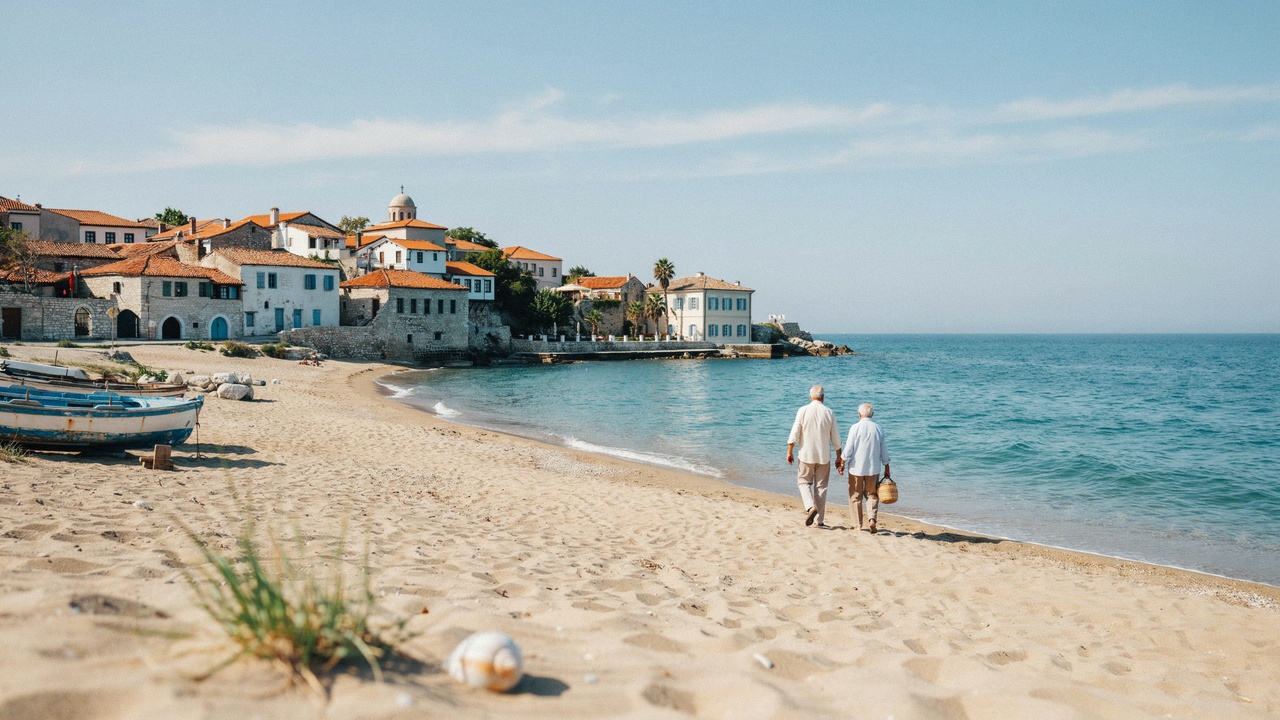
Bulgaria is strengthening its position on the European tourism map as improved air connectivity, premium accommodation, Black Sea holidays, mountain resorts and wellness experiences create new reasons to visit. The country is no longer defined only by affordable summer breaks. Its tourism strategy is increasingly moving towards quality, year-round travel and stronger international visibility.
Official data already shows the scale of the opportunity. Bulgaria recorded more than one million arrivals at accommodation establishments in June 2026 alone, while revenues from overnight stays reached almost €198 million. At the same time, authorities are preparing expanded flight capacity for 2027, particularly towards the Black Sea coast.
Bulgaria Tourism Enters a New Phase Focused on Quality and Year-Round Travel
Bulgaria’s tourism authorities are placing greater emphasis on connectivity, service quality, infrastructure, data, workforce development and international promotion.
Tourism Minister Ilin Dimitrov said in September 2026 that the government wanted to turn Bulgaria’s natural resources into a higher-quality, year-round tourism product. The ministry has identified aviation access, transparency, tourism revenues, advertising, accessibility and infrastructure as major priorities.
Advertisement
Advertisement
That strategy could gradually reshape Bulgaria’s international image.
Travellers can already combine Black Sea beaches with historic cities, skiing, mineral spas, monasteries, mountain landscapes and cultural attractions. The challenge is to make those experiences easier to access and more visible internationally.
Advertisement
Advertisement
Bulgaria Accommodation Revenue Rises Despite Softer June Visitor Numbers
Bulgaria’s accommodation statistics reveal an important change in tourism economics.
According to the National Statistical Institute, 3,345 accommodation establishments with at least ten bed places were operating in June 2026. Together, they offered about 327,400 bed places.
More than 3.69 million overnight stays were recorded during the month. Foreign visitors accounted for approximately 2.48 million of those nights.
Although total overnight stays declined by 3.6% compared with June 2025, accommodation revenue increased by 13.6% to €198 million.
That divergence suggests visitor spending and accommodation values have strengthened even when headline volumes were softer.
| Bulgaria Tourism Indicator | June 2026 |
|---|---|
| Accommodation establishments | 3,345 |
| Available bed places | 327,352 |
| Total arrivals | 1,062,801 |
| Foreign arrivals | 563,103 |
| Total overnight stays | 3,692,086 |
| Foreign overnight stays | 2,484,922 |
| Revenue from overnight stays | €197.97 million |
| Revenue from foreign visitors | €138.87 million |
Four- and Five-Star Hotels Are Playing a Major Role in Bulgaria Travel
One of the clearest indicators of Bulgaria’s premium tourism potential is where international visitors are choosing to stay.
Advertisement
Advertisement
In June 2026, 79.9% of all foreign overnight stays were recorded in four- and five-star accommodation.
Similarly, 78.3% of foreign arrivals stayed in properties within those higher categories.
These figures matter because Bulgaria has traditionally been marketed heavily around affordability.
The official data shows that international demand is also concentrated in higher-standard accommodation.
Four- and five-star establishments additionally recorded the country’s highest bed occupancy rate at 49% during June.
This creates opportunities for luxury resorts, boutique hotels, wellness properties and premium mountain accommodation.
Advertisement
Advertisement
Black Sea Tourism Could Receive a Major 2027 Connectivity Boost
The Bulgarian Black Sea coast is preparing for greater international access.
The Ministry of Tourism announced in August 2026 that new flight programmes from Germany are expected to provide additional capacity to Varna and Burgas during summer 2027.
Corendon Airlines is scheduled to operate flights linking Cologne/Bonn with Varna and Burgas, alongside services connecting Nuremberg and Stuttgart with Varna.
Another programme is expected to connect Hanover, Düsseldorf and Leipzig/Halle with Varna and Burgas between May and October 2027.
The planned schedule includes at least 14 weekly flights across these routes.
The ministry has also been working with airport operators and airlines to secure additional air capacity.
Advertisement
Advertisement
More Than 100,000 Flight Seats Already Target Bulgaria’s 2027 Summer Season
Bulgaria’s wider aviation strategy is becoming central to tourism growth.
In September 2026, the Tourism Ministry said more than 100,000 seats had already been contracted for the 2027 summer season, while further direct flights were expected.
Improved connectivity can have a powerful tourism effect.
Direct services shorten journey times, make weekend trips easier and allow visitors to reach Bulgarian destinations without complex transfers.
For Burgas and Varna, expanded capacity could boost hotels, restaurants, excursions, cultural attractions and coastal resorts.
It could also help Bulgaria compete more effectively for travellers considering Mediterranean or Adriatic holidays.
Advertisement
Advertisement
Burgas Is Bulgaria’s Black Sea Tourism Powerhouse
Burgas province stands out prominently in official accommodation data.
In June 2026, Burgas recorded:
- 723 accommodation establishments
- 127,753 bed places
- around 1.68 million overnight stays
- more than 1.29 million overnight stays by foreign visitors
- approximately €87.5 million in accommodation revenue.
These numbers demonstrate the economic importance of Bulgaria’s southern Black Sea tourism corridor.
The wider Burgas region provides access to well-established holiday areas and historic coastal destinations.
The planned increase in international flights could further strengthen this region’s tourism performance.
Varna Remains a Strategic Gateway to Bulgaria’s Northern Black Sea
Varna plays a similarly important role in Bulgaria’s coastal travel economy.
Advertisement
Advertisement
The city combines beaches, urban tourism and transport infrastructure while acting as a gateway to nearby Black Sea resorts.
Its airport is central to Bulgaria’s plan for attracting additional international visitors.
The upcoming 2027 German flight programmes include several new or expanded routes to Varna, giving travellers additional options from major European cities.
Better connectivity could encourage not only traditional beach holidays but also shorter city-and-coast breaks.
Nessebar Brings Heritage Into Bulgaria’s Coastal Tourism Offering
Bulgaria’s Black Sea appeal extends beyond beaches.
Nessebar provides one of the country’s strongest combinations of heritage and coastal travel.
Advertisement
Advertisement
The historic town allows visitors to combine architecture, archaeological interest, local culture and seaside holidays within the same itinerary.
That combination is particularly valuable as modern travellers increasingly seek experiences rather than accommodation alone.
Bulgaria can use destinations such as Nessebar to move beyond a purely sun-and-sea tourism identity.
Sofia Can Become the Starting Point for Multi-Destination Bulgaria Trips
Sofia gives Bulgaria another major tourism advantage.
Visitors can use the capital as the first stop on a wider journey incorporating mountains, monasteries, spa destinations, historic towns and the Black Sea.
Its position close to Vitosha Mountain also creates an unusual combination of city tourism and outdoor experiences.
Advertisement
Advertisement
For higher-spending travellers, such flexibility can support tailored itineraries combining premium hotels, cultural visits, gastronomy and nature.
Bansko and Borovets Extend Bulgaria Tourism Beyond Summer
Bulgaria’s mountains allow the country to compete during winter as well.
Bansko and Borovets are among its best-known ski destinations.
Their role is strategically important because they reduce the country’s dependence on the summer beach season.
Winter tourism can also support higher-value services such as private ski tuition, premium chalets, spa accommodation, mountain dining and tailored adventure experiences.
That strengthens Bulgaria’s wider goal of becoming a year-round destination.
Advertisement
Advertisement
Bulgaria’s Mineral Springs Could Power a Stronger Wellness Tourism Market
Spa and wellness tourism is another area where Bulgaria possesses natural advantages.
The country’s mineral waters, spa traditions and mountain landscapes provide a foundation for wellness holidays.
The segment could become increasingly important as international travellers spend more on health-focused retreats, thermal experiences and restorative holidays.
Combining spa treatments with premium accommodation, gastronomy, cultural excursions and nature could help Bulgaria attract visitors seeking experiences beyond conventional beach tourism.
What Makes Bulgaria Attractive for Travellers?
| Tourism Segment | Key Bulgarian Appeal |
|---|---|
| Beach tourism | Black Sea coast, Burgas, Varna |
| Cultural tourism | Sofia, Nessebar, historic towns |
| Winter tourism | Bansko, Borovets |
| Wellness travel | Mineral springs and spa destinations |
| Nature tourism | Mountains, parks and rural landscapes |
| Premium tourism | Four- and five-star hotels and resorts |
| City breaks | Sofia and Varna |
| Multi-stop holidays | Short distances between diverse landscapes |
Bulgaria’s Tourism Opportunity Is Bigger Than Affordable Holidays
Affordability will remain an important advantage, but Bulgaria’s future tourism growth may depend increasingly on value rather than simply low prices.
The country’s accommodation statistics already show substantial foreign demand for four- and five-star properties. Air connectivity is expanding. Authorities are targeting year-round tourism, and the Black Sea remains a major international draw.
Advertisement
Advertisement
Together, these trends could help Bulgaria position itself as a destination offering both accessibility and quality.
Frequently Asked Questions
1. Is Bulgaria becoming more popular with international travellers?
Bulgaria continues to receive significant numbers of foreign visitors, with more than 563,000 international arrivals recorded at accommodation establishments in June 2026 alone.
2. Which parts of Bulgaria are best for beach holidays?
Burgas and Varna are the principal gateways to Bulgaria’s Black Sea coast, with numerous resorts and seaside destinations nearby.
3. Is Bulgaria suitable for luxury travel?
Advertisement
Advertisement
Yes. Nearly 80% of foreign overnight stays in June 2026 were in four- and five-star accommodation, demonstrating strong demand for higher-standard properties.
4. Will Bulgaria have more flights in 2027?
Yes. The Tourism Ministry has announced additional Germany-Bulgaria services for the 2027 summer season, particularly to Varna and Burgas.
5. Can tourists visit Bulgaria outside summer?
Yes. Skiing, spa tourism, cultural travel, city breaks and mountain holidays allow Bulgaria to attract visitors throughout the year.
Bulgaria Tourism Outlook
Bulgaria is entering an important tourism transition.
Advertisement
Advertisement
The country is strengthening air connectivity, developing its international positioning and focusing increasingly on higher-quality, year-round travel. Official statistics show that foreign visitors already favour higher-category hotels, while accommodation revenue continued rising strongly in June 2026 despite lower overnight volumes.
With additional 2027 flights, major Black Sea gateways such as Burgas and Varna could become easier to reach from important European markets.
Combined with Sofia, Bansko, Borovets, Nessebar, mineral spas and mountain landscapes, Bulgaria has the ingredients to move beyond its traditional image and establish itself as one of Europe’s most diverse emerging travel destinations.
Advertisement
