

Carnival Freedom Itineraries and Global Deployment Dynamics

Published
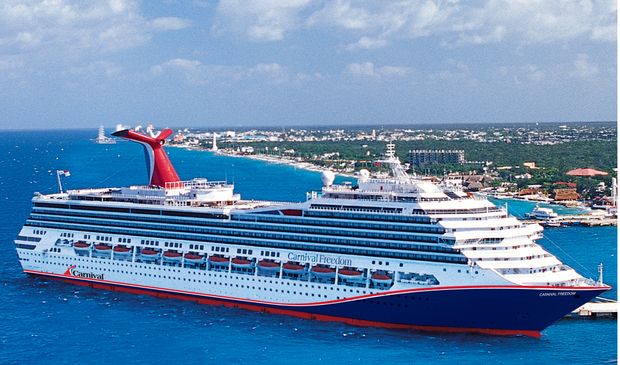
The strategic deployment adjustments concerning the vessel known as the Carnival Freedom have been examined extensively across maritime logistics and tourism sectors. Following scheduled maintenance and technical upgrades executed in Marseille, the vessel was repositioned toward Barcelona to inaugurate its contemporary Mediterranean voyage schedules.
The evolution of Carnival Freedom itineraries illustrates a broader shift in international cruise management, wherein vessels bridge historical European heritage routes with subsequent Caribbean and Bahamian operations. This operational framework reflects the continuous adaptation required within the global maritime industry to balance regional tourist demand and optimize fleet mobility across international waters.
Impact on Travellers
For modern vacationers and global travelers, the adjusted routing profile of the Carnival Freedom introduces expanded regional accessibility and diverse cruising formats. Passengers embarking from designated European ports are granted access to prominent historic and cultural hubs across the Mediterranean, including destinations situated in Italy, France, and Malta.
Subsequently, the scheduled transatlantic repositioning voyage enables guests to experience an extended maritime crossing terminating in Florida, where the ship transitions directly into short-duration Bahamian itineraries. These comprehensive travel options accommodate varied consumer preferences regarding vacation duration, geographical exploration, and onboard hospitality standards.
Advertisement
Advertisement
Industry Insights
From a macro-level analytical perspective, the deployment trajectory of the Carnival Freedom mirrors contemporary practices in seasonal capacity management. International cruise operators frequently navigate shifting regional tourism trends by orchestrating seamless transitions between European summer markets and North American winter destinations.
Such tactical repositioning mitigates seasonal revenue dips and maximizes asset utilization throughout the annual calendar. Industry analysts emphasize that synchronizing drydock maintenance periods with cross-ocean transit routes represents an increasingly vital strategy for sustaining operational efficiency and market competitiveness.
Advertisement
Advertisement
Practical Information
Execution of travel plans aligned with these updated itineraries necessitates meticulous attention to logistical protocols, embarkation documentation, and port schedules. Mediterranean voyages generally originate from Barcelona, whereas subsequent Caribbean and Bahamian departures utilize key United States homeports such as Port Canaveral.
Prominent ports of call incorporated within these routes include Celebration Key, Nassau, and Half Moon Cay. Prospective passengers are strongly advised to verify international passport validity, secure comprehensive travel insurance, and review all mandatory embarkation guidelines issued by the operating line to ensure full compliance with maritime safety regulations.
Advertisement
Advertisement
Comparison with Previous Policies or Developments
A comparative assessment between traditional deployment models and contemporary scheduling reveals a distinct progression toward flexibility and asset integration. Historical maritime policies frequently relied on rigid, geographically siloed assignments accompanied by prolonged operational downtime for maintenance.
Conversely, modern operational frameworks—exemplified by the post-drydock repositioning of the Carnival Freedom from Marseille through European waters to North American terminals—demonstrate an optimized paradigm. By eliminating unnecessary idle periods and tightly coupling maintenance cycles with commercial passenger voyages, contemporary operators achieve heightened economic efficiency and broader service delivery.
Advertisement
