
Algeria Closes Airspace to UAE Carriers: Route & Flight Impact

Published
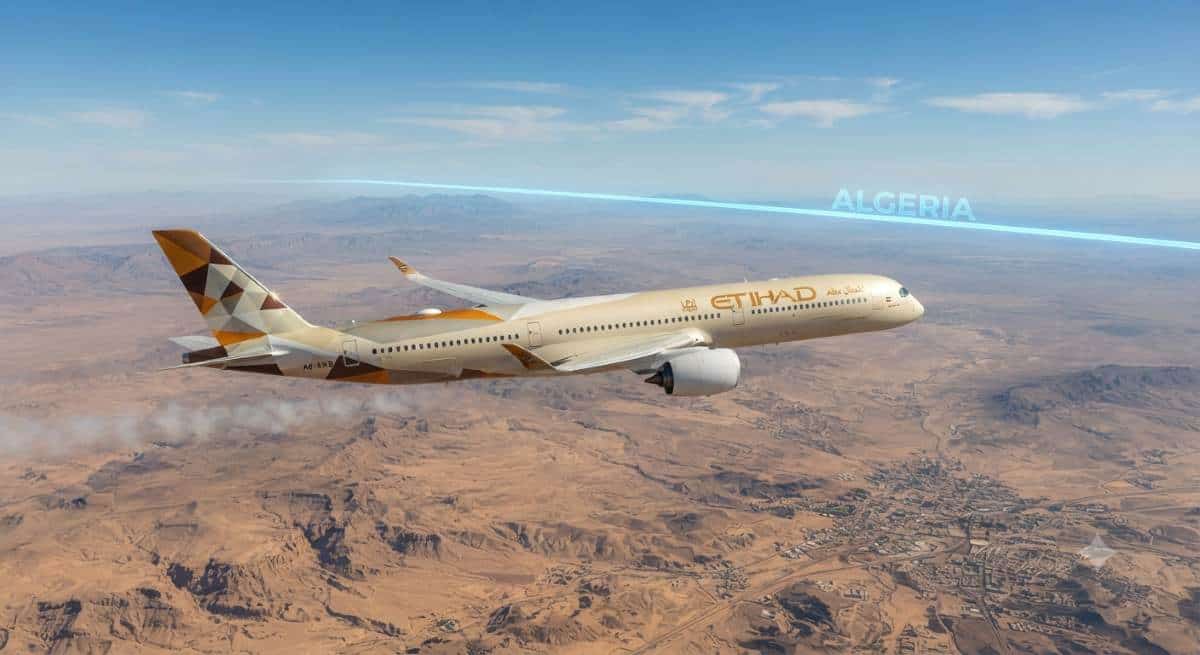
An unprecedented intersection of geopolitics and civil aviation materialized when Algeria officially closed airspace to all UAE-registered aircraft, marking a severe escalation in diplomatic discord. Effective at midnight on September 11, 2026, the decree implemented by Algiers targeted civilian and military assets linked to the United Arab Emirates, following the formal severance of bilateral diplomatic relations. Major carriers such as Emirates and Etihad Airways found themselves directly ensnared in regulatory crosshairs, though commercial operations routed specifically through Algiers Houari Boumediene Airport (ALG) were granted a temporary exemption slated to expire on December 31, 2026. Strategic calculations regarding sovereign airspace, diplomatic signaling, and long-haul corridor mapping are now re-examined across the international aviation landscape.
Background and Context
The genesis of this aviation restriction is deeply rooted in deteriorating political alignment between North Africa and the Gulf. Allegations concerning regional interference spanning Libya, Sudan, and the Sahel had previously strained political rapport between Algiers and Abu Dhabi. Denials issued by the Emirati administration regarding destabilization claims failed to arrest the diplomatic slide, culminating in the complete rupture of formal ties. Prior to the airspace prohibition, institutional dismantling of bilateral connectivity had already commenced via the termination procedures initiated against the 2013 air services agreement. Regulatory frameworks that historically dictated frequencies, operational rights, and market access were systematically unraveled, setting a predictable trajectory where political hostility inevitably bled into operational restrictions.
Advertisement
Advertisement
Impact on Travellers
For end consumers and ticket holders, immediate systemic chaos has been largely mitigated by pre-existing schedule reductions and selective exemptions. Commercial traffic touching down at or departing from Algiers Houari Boumediene Airport (ALG) continues under the transitional carve-out until year-end. However, broader passenger journeys intersecting Western Europe, North Africa, and the Gulf face secondary psychological and logistical friction. Passengers booked on intersecting itineraries or connecting services managed by affected flag carriers are subjected to heightened scrutiny regarding ticket reissuance, potential schedule tweaks, and minor duration extensions. While direct point-to-point evacuation or strandings are averted by current carve-outs, consumer confidence regarding multi-leg western Mediterranean routing remains delicately balanced.
Industry Insights
From an operational analysis standpoint, closing sovereign airspace serves as a low-cost, high-visibility instrument of modern statecraft. For Emirates and Etihad Airways, the physical footprint of Algerian airspace on primary revenue trunks is operationally manageable yet structurally annoying. Affected corridors—such as Etihad’s Abu Dhabi-Malaga service or Emirates-linked transatlantic and North African paths—are forced to evaluate lateral diversion waypoints. Air traffic management units must calculate extended burn rates, enhanced fuel loads, and revised flight-level clearances. Industry observers note that while direct traffic forfeiture inside Algerian FIR (Flight Information Region) is marginal for Gulf carriers, the precedent set by weaponizing transit geometry introduces risk premiums into future network expansion models across the Maghreb.
Advertisement
Advertisement
Affecting Routes
Specific multi-sector paths experience immediate vulnerability regarding contingency re-routing. Services bridging the United Arab Emirates with Iberian and western Mediterranean coastal hubs—exemplified by Abu Dhabi (AUH) to Malaga (AGP) trajectories managed by Etihad, alongside regional linkages touching Casablanca Mohammed V International Airport (CMN)—are mandated to bypass restricted sovereign blocks. Flight plans skew northward or southward of Algerian boundaries, marginally inflating block hours. Furthermore, heritage schedules mapping future termination milestones for Algiers stations are compressed by the December deadline, forcing tactical deployment of widebody assets elsewhere in the global network.
Practical Information
Airlines, dispatchers, and corporate travel planners operate under updated Notice to Air Missions (NOTAM) directives and sovereign strictures. Registrations tied to UAE civil and military registries are legally barred from overflying or landing outside the explicit Algiers commercial carve-out corridor. Crew rostering software, contingency fuel computation tables, and diplomatic clearance verifications require recalibration. Passengers holding affected or adjacent western-bound itineraries are advised to monitor carrier-issued advisory feeds, verify operational change waivers, and anticipate minor slot adjustments if alternate airway congestion increases over neighboring Mediterranean FIRs.
Comparison with Previous Policies or Developments
Historically, bilateral air service pacts signed in 2013 and ratified in 2014 provided reliable predictability, governed by commercial reciprocity and arbitration mechanisms. Previous diplomatic disagreements in the region seldom resulted in unilateral blanket overflight bans for civilian flag carriers unless active armed conflict zones were declared. The transition from gradual phase-outs of bilateral traffic schedules—such as Emirates’ previously anticipated early-2027 wind-down timeline—to an abrupt midnight military-decreed airspace prohibition reflects a hardening paradigm. Unlike historical economic sanctions or targeted landing bans, contemporary statecraft utilizes blanket spatial exclusion over sovereign territory as an immediate diplomatic punctuation mark, substituting traditional regulatory dispute resolution with instant cartographic exclusion.
Advertisement
