
Cambodia’s Veal Veng Tourism Rebound Puts Local Livelihoods at the Heart of Its Comeback

Published
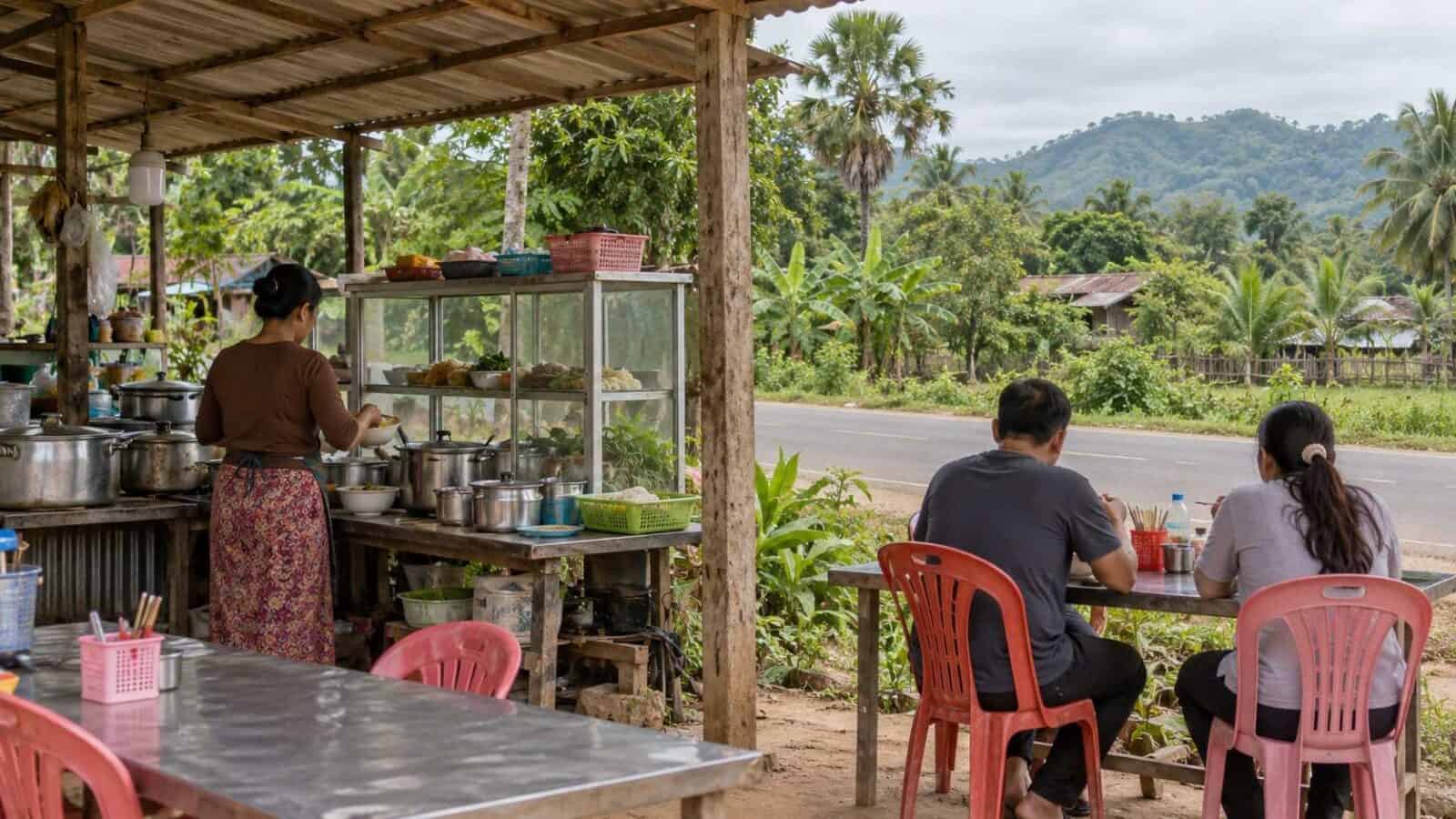
Cambodia’s Veal Veng tourism ambitions face a practical test: whether better access and stronger hospitality skills can translate into income for residents. In Pursat province, government initiatives documented during 2026 connect transport improvements with training for accommodation, food service and community guiding. National Road 10 was formally inaugurated on 1 October, following a February tourism skills workshop in the district. Together, these measures establish a foundation for business development. However, published official evidence reviewed for this report does not establish how much local tourism earnings have recovered, making household benefits the central question behind the destination’s next stage of growth.
Veal Veng tourism faces a household income test
A tourism destination’s progress involves more than the number of people passing through it. For residents, the meaningful measures include paid working hours, profitable bookings and reliable orders from visitor-facing businesses.
A photograph stop and an overnight stay create different spending opportunities. Assessing the benefits therefore requires information about what travellers purchase, how long they remain and which businesses receive their money.
The official announcements reviewed here establish investment and training activity. They do not provide a district-level account of visitor spending, hotel occupancy or tourism wages.
Advertisement
Advertisement
Hospitality training brings residents into the development story
The Ministry of Tourism’s official HoKa workshop announcement, published on 12 February 2026, records a meeting held in Veal Veng the previous day. Approximately 80 stakeholders attended, including government representatives, businesses, communities and Swisscontact.
Recruitment covered front-office operations, housekeeping, food and beverage service, barista skills, cooking and community guiding. These disciplines connect tourism development with work that residents could undertake across different parts of the visitor economy.
Advertisement
Advertisement
However, workshop attendance is not an employment figure. The announcement does not establish how many district residents subsequently completed courses, obtained jobs or increased their earnings. ctprs.gov.kh
Better connections create opportunities, without guaranteeing sales
According to Agence Kampuchea Presse’s inauguration report, National Road 10 links Battambang, Pursat and Koh Kong provinces. The 198.518-kilometre route passes through Veal Veng and was formally inaugurated on 1 October 2026.
The government identified shorter travel distances, improved goods movement and tourism promotion among its expected benefits. These are stated development objectives rather than measured increases in district business revenue.
For accommodation owners and tour operators, connectivity provides the basis for considering new itineraries. Turning those possibilities into sales still requires suitable services, dependable arrangements and enough demand. AKP
What the verified figures actually show
| Official measure | Date or period | Meaning and limitation |
|---|---|---|
| Approximately 80 workshop participants | February 2026 | Stakeholders attending a meeting, not newly employed workers |
| 8,461 young people upskilled through HoKa | 2017–2025 | National programme total, not a Veal Veng figure |
| 198.518 kilometres of National Road 10 | Inaugurated October 2026 | Transport infrastructure, not a visitor-growth measure |
The HoKa announcement also states that its training modules were offered free, with an estimated market value of US$450–700 per person. That represents a training opportunity, not a cash payment or guaranteed salary.
Keeping these distinctions clear prevents national achievements and infrastructure figures from being mistaken for local recovery data. ctprs.gov.kh
Advertisement
Advertisement
Visitor spending needs a clearer local account
To establish the effect on local livelihoods, future reporting needs comparable monthly figures for overnight stays, room occupancy and business turnover. Employment records should distinguish permanent jobs from occasional work.
Local purchasing also deserves attention. A business can serve visitors while buying few supplies locally, so sales alone do not explain how widely benefits spread.
A useful district assessment would track accommodation, food services, guiding, transport and supplier income separately. This is an analytical framework, rather than an announced government reporting programme.
Longer stays require dependable services
For travellers, an attractive landscape is one part of a trip. Clear prices, confirmed accommodation and accurate information about activities help determine whether an overnight itinerary is practical.
The training subjects identified by the ministry address several of those service needs. Front-office skills support booking and guest communication, while housekeeping and food service relate directly to the stay itself.
Their inclusion shows what the programme intends to strengthen. It does not establish that every participating business already meets a particular service standard.
Advertisement
Advertisement
Industry benefits depend on bookable experiences
Hotels and guesthouses need confirmed demand before an access improvement becomes additional room revenue. Tour operators need activities they can describe accurately and deliver consistently.
The official material reviewed does not establish an airline route, airport project or aviation agreement specifically serving this district initiative. An aviation growth claim would therefore go beyond the available evidence.
The immediate industry story concerns ground connections, hospitality preparation and the development of services visitors can purchase. Any investment or employment gains need separate documentation.
Maintenance belongs alongside promotion
Government remarks published on 1 October highlighted road maintenance, erosion and landslide prevention as challenges in mountainous terrain. They also stressed environmental cleanliness and public participation.
For tourism businesses, these issues belong within destination planning. Promoting an itinerary should follow accurate information about access, operating conditions and service availability.
The published remarks support a continuing infrastructure agenda. They do not provide a quantified forecast for Veal Veng’s future arrivals or tourism receipts. អង្គភាពព័ត៌មាន និងប្រតិកម្មរហ័ស
Advertisement
Advertisement
Questions travellers should ask
What has changed about access to Veal Veng?
National Road 10 has been formally inaugurated through the district. Travellers should confirm the condition and availability of their complete route, including access beyond the main road.
Does the government announcement confirm that every attraction is accessible?
No. The road announcement does not certify individual trails, waterfall approaches or guided activities. Confirm those details before booking.
How can visitors direct spending towards residents?
Ask who operates the accommodation or excursion, who provides guiding and whether food and other supplies are purchased locally. Agree on prices and services in advance.
Advertisement
Advertisement
The next measure of progress
Veal Veng’s next tourism chapter should be judged through the people who host its visitors. Government records establish investment in access and an effort to strengthen hospitality skills, but they do not yet demonstrate a districtwide recovery in earnings. Clear reporting on overnight stays, business turnover, training completion and paid employment would make that progress measurable. For travellers, the useful approach is to confirm arrangements and understand where their spending goes. For destination planners, the task is to connect infrastructure with dependable services and local participation. That is how tourism ambition can be assessed against tangible benefits for resident households.
Official Sources
- Cambodia Ministry of Tourism: HoKa workshop announcement, 12 February 2026 — direct link in the article.
- Agence Kampuchea Presse: National Road 10 inauguration, 1 October 2026 — direct link in the article.
- Royal Government of Cambodia, Press and Quick Reaction Unit: Published remarks at the National Road 10 inauguration, 1 October 2026.
Advertisement
