
Saudi Arabia Joins Spain and the United Kingdom Connected by Riyadh Air Services to Jeddah, Madrid and Manchester

Updated
Published
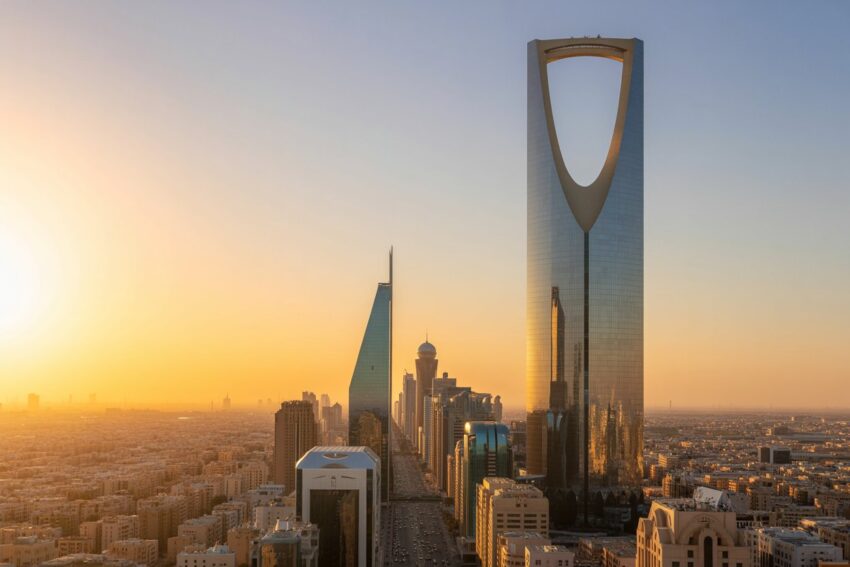
Image generated with Ai
Riyadh Air new airline has shifted from glossy launch images to a network plan that finally looks concrete. The carrier recently named Jeddah, Madrid and Manchester as its latest planned destinations from the capital. These cities join earlier confirmed routes to London Heathrow, Dubai and Cairo in the first wave.
Together, they reveal how the airline intends to position Riyadh as a serious global hub.
Why Jeddah matters so much to new carrier of Riyadh Air
Jeddah gives the airline a vital domestic link into its main base at King Khalid International Airport.
Network plans show Jeddah as the only domestic point in the initial launch phase. The city already handles huge flows for Hajj, Umrah and Red Sea tourism, so it offers proven demand. Traffic can move through Riyadh and connect into long haul flights to Europe, Asia and Africa.
Advertisement
Advertisement
How Jeddah supports the new hub
Jeddah concentrates religious traffic that needs onward global connections. It links western Saudi Arabia with the emerging Riyadh hub in one short hop. It supports national plans to diversify tourism beyond pilgrimage alone. It also fits the dual hub model alongside Saudia’s long established Jeddah presence.
Riyadh Air reaches into Europe with Madrid and Manchester
Madrid and Manchester extend the network beyond London into more of Europe’s key demand centres. Planned schedules place both cities in the first full summer season from Riyadh. Manchester currently lacks a nonstop Riyadh service, so the new route enters a clear white space. Madrid strengthens links into southern Europe and taps Spain’s growing ties with Gulf and Asian markets.
Advertisement
Advertisement
Fleet and product: how Riyadh Air wants to feel onboard
Industry analysis now points to a fifteen destination launch network centred on Riyadh. These routes span the Middle East, Europe, South Asia and Southeast Asia from one hub. They give the airline enough scale to matter immediately, without stretching a young operation too far. The pattern aligns closely with Saudi Arabia’s wider connectivity and tourism goals under Vision 2030.
Launch network by region
| Region | Planned destinations in first phase |
|---|---|
| Middle East | Jeddah, Dubai, Cairo, Amman |
| Europe | London Heathrow, Madrid, Manchester, Paris Charles de Gaulle |
| South Asia | Mumbai, Islamabad, Lahore |
| Southeast Asia | Bangkok, Kuala Lumpur, Manila, Jakarta |
These destinations appear consistently across schedule and slot disclosures for the 2026 start season. Some details may still adjust as commercial and operational decisions evolve closer to launch.
Advertisement
Advertisement
Vision 2030 and what the airline must deliver
Saudi Arabia’s Vision 2030 plan calls for sharp growth in international arrivals and transit passengers. Policy goals link the new carrier directly to targets for more than one hundred destinations by 2030. The hub aims to use Riyadh’s position between Europe, Asia and Africa as a natural crossroads. Routes to Jeddah, Madrid and Manchester help turn those ambitions into visible flight options.
Dual hubs: how the newcomer and Saudia split the work
Saudi policymakers describe a dual hub strategy with clear roles for each national airline. Saudia keeps its historic base in Jeddah, focusing heavily on religious and long established regional traffic. The new carrier builds a fresh hub in Riyadh, designed for high yield long haul and global connectivity. The Jeddah–Riyadh route effectively stitches both hubs together inside one national aviation system.
Advertisement
Advertisement
Fleet, product and how the airline wants to feel onboard
Fleet decisions show how the carrier thinks about range, capacity and passenger experience. Firm orders and commitments include Boeing 787s and Airbus A321neos, with A350s in the long haul mix. Widebodies support missions like Riyadh–London, Riyadh–Madrid and Riyadh–Manchester. A321neos cover regional and medium haul routes while keeping the onboard experience consistent.
What travellers can expect
| Element | What travellers can expect |
|---|---|
| Cabin design | Modern lighting, contemporary styling and premium leaning layouts |
| Digital layer | Strong focus on technology, personalisation and seamless journeys |
| Network logic | Hub and spoke connections through Riyadh across major global regions |
| Service vision | Competitive long haul comfort, especially in economy and premium cabins |
Official branding and early cabin previews describe a digitally led, design focused airline. The carrier aims to compete on experience and connectivity rather than only matching rivals by size.
Competition, white space and Riyadh Air’s opportunity
The competitive context around the new entrant breaks neatly into a few clear points.
- The Gulf already hosts major carriers with dense global networks and strong loyalty bases.
- The newcomer does not match their scale immediately, so it picks focused white space markets.
- Manchester offers a clear opportunity because no airline links it nonstop with Riyadh today.
- Madrid adds extra reach into southern Europe and strengthens flows between Europe, the Gulf and Asia.
What remains uncertain around launch timelines
Despite clear route announcements, several details still remain off the record. The airline has not yet published full timetables, flight numbers or confirmed weekly frequencies. It previously operated limited flights to London Heathrow mainly to protect airport slots and test operations. Travel agencies and corporate buyers now watch for fare filings, schedule uploads and distribution deals.
Why these routes really matter for new hub of Riyadh Air
The latest announcements show the project moving from concept to credible competitor.
Jeddah supports domestic and religious flows, while Madrid and Manchester unlock new European demand. The wider fifteen city plan gives the network reach into South Asia and Southeast Asia from day one. If the airline delivers reliable operations and strong service, it could quickly reshape key traffic flows.
Advertisement
