

Saudi Arabia Unleashes the “Gulf Schengen”: How Saudia, Riyadh Air, Emirates, Qatar Airways, and Etihad Are Set to Win Big in 2026

Updated
Published
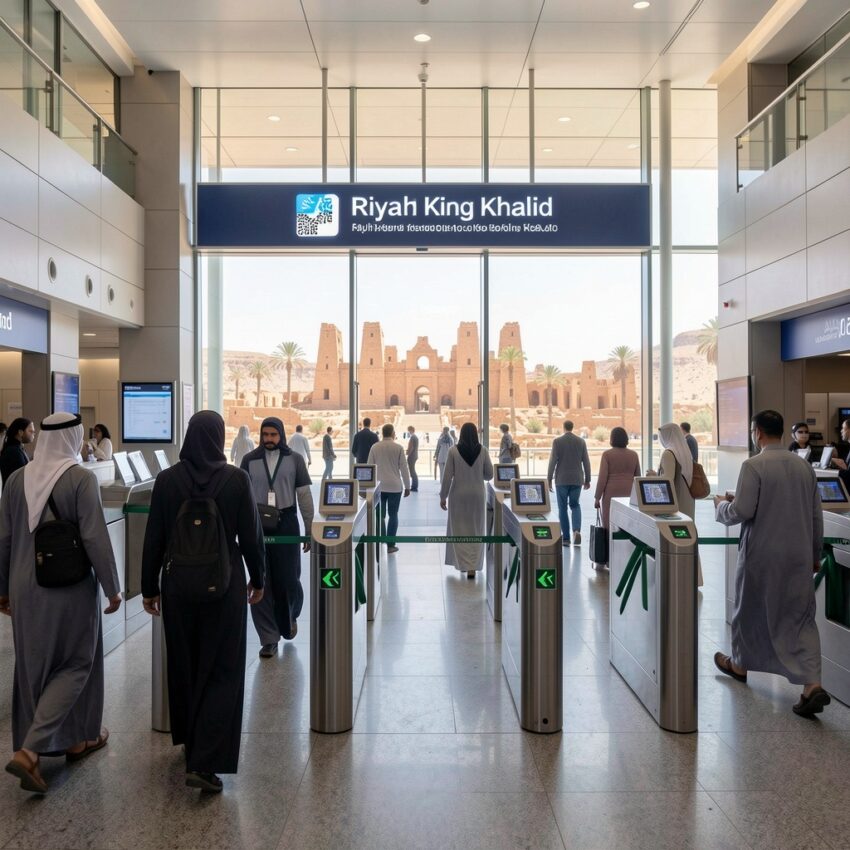 Image generated with Ai
Saudi Arabia is about to revolutionize travel in the Middle East. With the much-anticipated launch of the Gulf Schengen visa in 2026, the Kingdom, alongside its Gulf neighbors, is set to transform the way tourists experience the region. The introduction of this unified visa system will allow travelers to move freely between Saudi Arabia, the UAE, Qatar, Bahrain, Oman, and Kuwait with a single visa, eliminating the hassle of multiple visa applications and creating a smoother, more convenient travel experience. Airlines like Saudia, Riyadh Air, Emirates, Qatar Airways, and Etihad are already positioning themselves to capitalize on the massive surge in demand that is expected once the visa is rolled out. As these airlines expand their networks and strengthen their presence in the region, the hospitality sector is also gearing up to welcome millions of new visitors. From luxury hotels to cultural landmarks, travelers will have unprecedented access to the diverse and vibrant destinations across the GCC. With regional airlines offering more routes and seamless connections between the countries, and the hospitality industry expanding rapidly to meet demand, the Gulf Schengen visa promises not just a new way to travel, but an entirely new way to experience the Middle East. Get ready for a game-changing shift in Gulf tourism as the region prepares to open its doors wider than ever before.
Saudi Arabia Unleashes the “Gulf Schengen”: How Saudia, Riyadh Air, Emirates, Qatar Airways, and Etihad Are Set to Win Big in 2026
Saudi Arabia is on the cusp of a tourism revolution. The Kingdom is set to take center stage in the Middle East travel scene with the launch of the highly anticipated Gulf Schengen visa in 2026. This new system will enable international travelers to visit all six countries in the Gulf Cooperation Council (GCC) under a single visa, transforming the region into a seamless tourism hub. Airlines such as Saudia, Riyadh Air, Emirates, Qatar Airways, and Etihad are already positioning themselves to capture this influx of travelers, while the hospitality industry is gearing up for a wave of bookings and new developments.
This breakthrough is expected to propel Saudi Arabia, UAE, Qatar, Bahrain, Oman, and Kuwait into a new era of tourism. From business professionals to holidaymakers, the Gulf Schengen visa promises a more efficient travel experience, enabling people to visit multiple countries with fewer restrictions and greater convenience.
Advertisement
Advertisement
In this article, we dive deep into how the airlines and hospitality sectors are preparing for the boom, what the Gulf Schengen visa will mean for tourists, and how travelers can make the most of this exciting new development.
Saudia, Riyadh Air, Emirates, Qatar Airways, and Etihad Are Ready for the Gulf Schengen Boom
The launch of the Gulf Schengen visa in 2026 is a game-changer for the region’s airlines. Saudia, the flagship carrier of Saudi Arabia, is already gearing up for a surge in demand for flights to and from the Kingdom. As Saudi Arabia emerges as the central hub in the region, Saudia is set to benefit significantly from the unified visa system. The airline has long been a key player in Middle East aviation and is now strategically expanding its network to cater to the increasing number of international travelers seeking to explore the GCC countries.
Advertisement
Advertisement
Riyadh Air, Saudi Arabia’s new national carrier, has also been a part of the Kingdom’s push to attract more international travelers. With its modern fleet and ambitious expansion plans, Riyadh Air is positioning itself to capture traffic flowing through Riyadh, especially as the Gulf Schengen visa encourages more tourists to explore Saudi Arabia and its neighbors. The airline is already targeting routes to key destinations in Europe, Asia, and Africa, making Riyadh a central gateway for travelers heading to the GCC.
Meanwhile, Emirates, Qatar Airways, and Etihad are not far behind. These global giants have long dominated long-haul travel to and from the Middle East, and with the Gulf Schengen visa simplifying cross-border travel, they stand to gain even more. Emirates, based in Dubai, offers some of the most luxurious flight experiences in the world. The airline’s strong ties to the tourism sector, particularly in the UAE, will make it one of the biggest beneficiaries of the new visa system.
Advertisement
Advertisement
Qatar Airways and Etihad, based in Doha and Abu Dhabi, respectively, are similarly poised to take advantage of the growing demand for regional travel. With a focus on connecting travelers through their state-of-the-art hubs, these airlines will see increased traffic to cities such as Doha, Abu Dhabi, and Dubai.
As airlines expand their services to accommodate the growing flow of travelers within the Gulf region, we are also seeing the hospitality industry working in tandem to meet the demand.
Gulf Schengen: How the Hospitality Industry Is Preparing for the Surge in 2026
The hospitality industry in the GCC is bracing for a significant boom as the Gulf Schengen visa simplifies travel between Saudi Arabia, the UAE, Qatar, Bahrain, Oman, and Kuwait. As the number of tourists increases, hotels, resorts, and other accommodation providers are expanding their offerings to meet the needs of the modern traveler.
In Saudi Arabia, the hospitality scene is undergoing a transformation. Hotels such as the Ritz-Carlton Riyadh and the Four Seasons Hotel in Mekkah are already seeing increased demand as more international travelers are expected to visit. As the Kingdom opens up to global tourism, the hospitality industry is shifting gears to cater to the influx of visitors, with new hotels and resorts under development to handle the expected volume of bookings.
Advertisement
Advertisement
In the UAE, cities like Dubai and Abu Dhabi are known for their world-class hotels, but with the launch of the Gulf Schengen visa, the demand for high-end accommodation is set to increase exponentially. Iconic brands like Atlantis The Palm, Jumeirah Hotels, and Armani Hotel Dubai are already anticipating a rise in reservations from international travelers seeking multi-destination stays within the GCC region.
Qatar’s hospitality industry is also experiencing a renaissance. With the world’s eyes on Doha due to the 2022 World Cup, the country has cemented its reputation as a luxury travel destination. As travelers from across the globe flock to Qatar to experience its mix of modern luxury and cultural heritage, major hotel brands like Mandarin Oriental Doha and W Doha are leading the way in offering bespoke experiences tailored to the needs of high-end travelers.
In Bahrain and Oman, smaller, more intimate boutique hotels are capitalizing on the demand for authentic cultural experiences. The Ritz-Carlton Bahrain and Al Bustan Palace, a Ritz-Carlton Hotel in Oman provide a unique blend of opulence and tradition, offering travelers a chance to explore the region’s rich cultural heritage while enjoying luxurious amenities.
Tourism Opportunities Under the Gulf Schengen Visa: What Travelers Can Expect
For tourists, the Gulf Schengen visa brings the promise of a streamlined, borderless travel experience across six incredible countries. Instead of dealing with the hassle of applying for multiple visas, travelers can explore Saudi Arabia, the UAE, Qatar, Bahrain, Oman, and Kuwait under one unified visa, saving both time and money.
Travelers can expect to enjoy seamless connectivity between the countries, making it easier than ever to hop from one destination to another. For example, a trip that includes Abu Dhabi, Doha, and Muscat can now be planned in a much more efficient manner, without the need for reapplying for visas at each destination.
The region’s airlines are set to provide multiple daily flights between key hubs like Dubai, Riyadh, and Doha, ensuring that travelers can easily access these cities no matter where they are. Emirates, for example, offers direct flights between Dubai and cities across Europe, Asia, and Africa, making it simple to connect to the Gulf region.
Advertisement
Advertisement
For those looking to explore the cultural heritage of the region, Saudi Arabia offers unique experiences like visiting the ancient city of Al-Ula or exploring the sacred city of Makkah. The UAE, with its modern skyscrapers and world-renowned shopping malls, is a destination that offers a perfect mix of tradition and innovation. Meanwhile, Qatar’s cultural districts, such as the Museum of Islamic Art and Katara Cultural Village, provide a perfect backdrop for tourists who are keen to learn more about the region’s history and artistry.
The Gulf Schengen visa will also offer greater flexibility for business travelers. With the Gulf Cooperation Council already being one of the world’s top economic regions, the new visa will allow entrepreneurs and professionals to attend meetings, conferences, and exhibitions across multiple GCC nations without having to navigate the cumbersome process of applying for separate visas.
How to Get the Gulf Schengen Visa: What Tourists Need to Know
The application process for the Gulf Schengen visa is designed to be as efficient and digital-first as possible. Tourists will apply online through the official GCC Visa Portal, providing a digital passport scan and a photo with a white background. Biometric systems at major airports like Dubai and Riyadh will be updated to recognize the unified QR-coded permits, ensuring smooth entry at border control.
Tourists will also be required to show proof of travel insurance, sufficient funds for their stay, and a return or onward ticket. The visa is expected to have a processing time of 3 to 7 days, with the final approval sent directly to the applicant’s email.
As for the cost, the Gulf Schengen visa is expected to be priced between $100 and $150 (approximately AED 365 – AED 550). This is much lower than the cumulative costs of applying for individual visas to each GCC country, making the Gulf Schengen a more affordable and attractive option for international tourists.
Travel Tips for Exploring the GCC Under the Gulf Schengen Visa
- Plan Multi-Destination Trips: With the Gulf Schengen visa, travelers can explore more than one country without the hassle of multiple visa applications. Plan a multi-destination trip that includes the UAE, Saudi Arabia, and Qatar for a truly diverse experience.
- Check Flight Availability: Airlines like Emirates, Qatar Airways, and Saudia offer excellent connectivity between GCC countries. Make sure to book flights early to secure the best rates.
- Stay in Iconic Hotels: Take advantage of the luxury hotels available in the GCC, such as Jumeirah in Dubai, The Ritz-Carlton in Riyadh, and W Doha in Qatar. Book ahead to ensure availability during peak seasons.
- Explore Local Culture: Take time to experience the rich cultural heritage of each country. Visit the Louvre Abu Dhabi, explore the Qatar Museum in Doha, or wander through the ancient ruins of Al-Ula in Saudi Arabia.
- Travel Smart: Keep your digital visa on hand at all times and ensure your passport and photo are up to date. Biometric technology will make your travel through airports faster and easier, but always check the latest entry requirements before your trip.
The launch of the Gulf Schengen visa in 2026 will revolutionise travel across the GCC, with airlines like Saudia, Riyadh Air, Emirates, Qatar Airways, and Etihad set to lead the charge in a booming tourism market.
Wrapping Up
The Gulf Schengen visa is poised to transform the way travelers explore the Middle East. By unifying visa policies across Saudi Arabia, the UAE, Qatar, Bahrain, Oman, and Kuwait, this new system will simplify travel and open up a world of new opportunities for tourists. As airlines like Saudia, Riyadh Air, Emirates, Qatar Airways, and Etihad prepare to meet the demand, the hospitality industry is also gearing up for the surge of visitors. Whether you’re looking to explore modern cities, ancient ruins, or the rich cultural heritage of the region, the Gulf Schengen visa is your ticket to a seamless and unforgettable travel experience.
Advertisement
