
Austria’s Tyrol Draws Active Travellers to Innsbruck and Kitzbühel This Autumn

Published
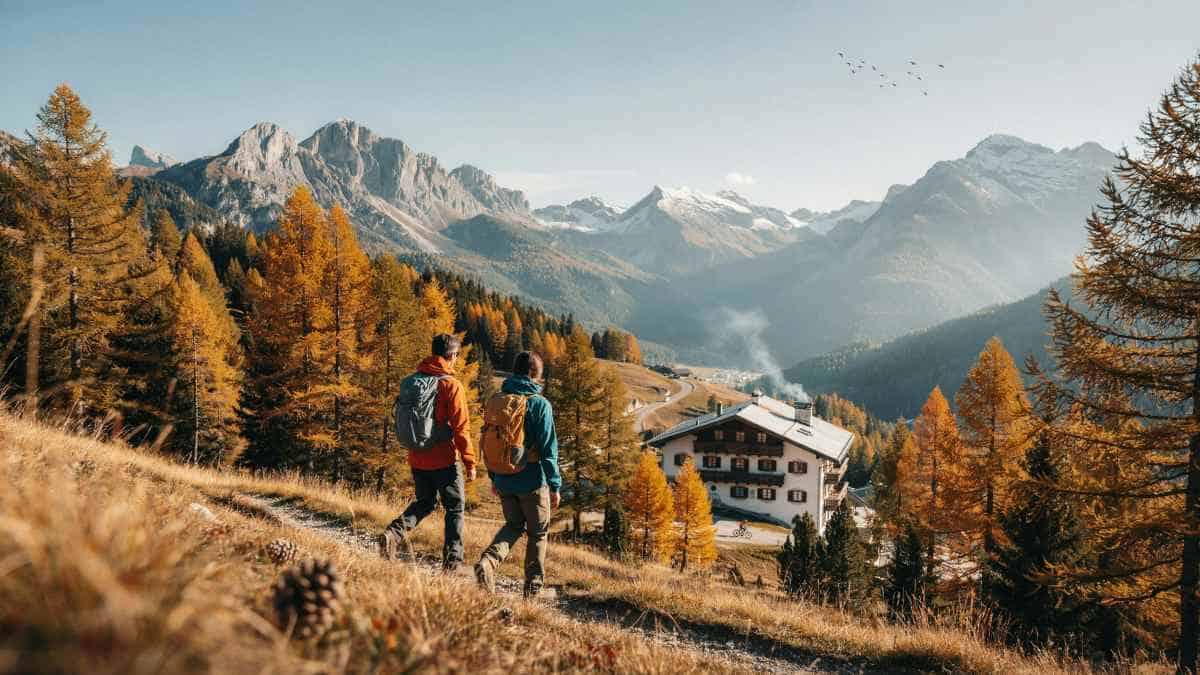
Image generated with Ai
The Tyrol region in Austria is proving to be one of the destinations for people who want an experience that goes beyond traditional tourism. The cities of Innsbruck and Kitzbühel offer mountain bike rides, e-bike tours, climbing via ferrata, and hiking services, as well as trains, making it a perfect travel concept during the fall period. The fall season offers the most attractive time for tourists because the Alpine environment will start changing its colours while remaining at moderate temperatures, making it possible to enjoy outdoor activities.
Innsbruck Brings City and Mountains Together
Innsbruck has a distinctive advantage for active travellers because its historic city centre sits directly alongside the mountains. Visitors can move from urban attractions to Alpine terrain without spending hours travelling between the two.
The Nordkette cable car provides one of the clearest examples. From central Innsbruck, travellers can reach around 2,000 metres in approximately 20 minutes, putting hiking, climbing and mountain experiences close to the city. Austria Tourism also highlights biking and climbing among the region’s major warm-season activities.
This makes Innsbruck particularly suitable for short active breaks, where travellers can combine a morning ride or hike with an afternoon in the Old Town.
Advertisement
Advertisement
E-Mountain Biking Opens Up Tyrol
E-mountain biking is becoming a significant part of the region’s outdoor offering. Electric assistance allows riders to tackle longer distances and greater elevation changes while still experiencing the landscape at cycling speed.
Advertisement
Advertisement
In the Innsbruck region, dedicated e-bike infrastructure includes charging stations, rental services, repair facilities, bike schools and marked mountain-bike routes. The destination promotes routes ranging from accessible rides to more demanding Alpine terrain.
For autumn visitors, this creates flexibility. A traveller can plan a scenic valley ride, climb towards a mountain hut or combine a cable-car ascent with a downhill route, depending on weather and fitness levels.
Kitzbühel Builds a Bigger Bike Proposition
Kitzbühel is developing an equally strong identity around mountain biking. The destination currently lists more than 60 mountain-bike routes, covering terrain from easier valley rides to demanding high-altitude loops.
One of its headline experiences is the EPIC 360° Two-Thousander Tour. The route covers around 60.6 kilometres with approximately 1,773 metres of elevation gain and is designed for experienced riders and e-mountain bikes. It moves through the Aschau Valley towards Stangenjoch before returning through the wider Kitzbühel landscape.
There are also shorter options. The Hahnenkamm area provides an e-bike loop that can be completed in around two hours, giving visitors a way to experience the mountains without committing to a full-day expedition.
Advertisement
Advertisement
Via Ferrata Adds a Climbing Dimension
Cycling is only part of Tyrol’s autumn adventure offer. Via ferrata routes provide another way to experience the mountains, combining hiking with protected climbing sections secured by cables, ladders and other fixed equipment.
Around Innsbruck and the wider Tyrol region, travellers can choose routes suited to different experience levels. The Kitzbüheler Horn area near Kitzbühel also offers via ferrata opportunities, while St. Johann in Tirol promotes a Kitzbüheler Horn via ferrata alongside mountain biking and hiking.
These routes add a more technical element to an itinerary and can appeal to travellers looking for an experience that sits between conventional hiking and full-scale mountaineering.
Autumn Extends the Outdoor Season
September and October are particularly important for Tyrol’s shoulder season. Kitzbühel actively promotes autumn as a period for hiking, cycling, mountain biking, wellness and culinary experiences, while its guest-card programme includes selected mountain-lift access during September and October.
Austria Tourism also identifies late September and October as a strong period for hiking and biking, citing milder temperatures, colourful landscapes and generally less crowded trails as attractions for autumn visitors.
Advertisement
Advertisement
This allows destinations to extend visitor activity beyond the traditional summer and winter peaks.
Rail Makes Active Holidays Easier
Transport is another important part of the equation. Innsbruck has direct rail connections with cities including Vienna, Munich and Zurich, while Kitzbühel is served by three railway stations and has links to major airports in Innsbruck, Salzburg, Munich and Vienna.
Austria’s national mobility planning also recognises tourism as an important area for public transport, with a focus on improving bicycle carriage, bike rental, electric-bike access and first- and last-mile connections.
For active travellers, that infrastructure can make a significant difference. Bringing or renting a bicycle becomes easier when rail journeys, local buses, cable cars and cycling routes work as part of the same trip.
A More Flexible Alpine Holiday
The combination of rail access and outdoor activities allows travellers to build flexible itineraries around their interests. A visitor could spend several nights in Innsbruck, use public transport for mountain excursions, then continue by train towards Kitzbühel for longer bike routes and Alpine walks.
Advertisement
Advertisement
The two destinations also offer plenty beyond sport. Innsbruck adds imperial architecture, museums and city dining, while Kitzbühel combines its historic centre with mountain restaurants, wellness facilities and seasonal culinary experiences.
That mix makes the region relevant to couples and groups where not everyone wants to spend every day on a trail.
Tyrol’s Autumn Travel Opportunity
Autumn promotion for Tyrol is becoming more varied and less focused on adventure products than ever before. E-mountain biking offers extended Alpine trails, via ferrata contributes climbing options, hiking serves as a middle ground between the two, while railway connections facilitate travelling from one city to another. The outcome is an autumn touristic model in which the Alpine mountains stay active long after the summer is gone. With the arrival of autumn and its cool weather, changing scenery and quiet paths, Tyrol is developing its autumn season as a unique Alpine touristic destination.
Advertisement
