
Seoul Snowstorm 2024: New Record Disruption Grounds Over 100 Flights at Incheon Airport Amid Winter Travel Chaos

Published
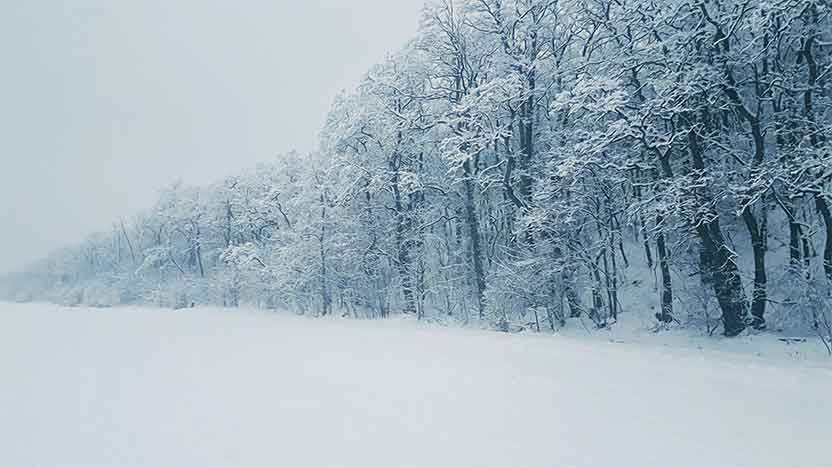
In a rare weather phenomenon, Seoul is facing its most severe snowstorm in over half a century, severely impacting air travel and tourism. This unprecedented event has disrupted operations at Incheon International Airport, one of Asia’s busiest aviation hubs, leaving passengers and airlines grappling with cancellations and delays. The implications of this snowstorm reach far beyond South Korea, affecting global travel routes and tourism economies.
Severe Weather Grounds Flights
The heavy snowfall began on November 27, 2024, dumping over 28 cm (11 inches) of snow in the Seoul metropolitan area. Incheon International Airport, the gateway for millions of international travelers, bore the brunt of the storm. Safety concerns such as poor visibility and snow-clogged runways forced the cancellation of 110 flights and delays to 592 others on the first day alone. This unprecedented weather event left passengers stranded, many of whom were traveling during the busy winter holiday season.
Advertisement
Advertisement
On November 28, the chaos continued, with 14 percent of scheduled flights delayed and 15 percent cancelled. Leading global airlines, including Air France, Delta, Emirates, Etihad Airways, Korean Air, and Japan Airlines, were among those forced to halt operations. Singapore Airlines reported delays to five of its flights, including SQ601, SQ605, SQ607, and SQ611, all operating between Seoul and Singapore. Other carriers such as Oman Air, Asiana Airlines, Air Asia, Shanghai Airlines, KLM, WestJet, and AeroMexico also faced significant operational setbacks.
| Scheduled Departure | Actual Departure | Destination | Airline | Flight Number | Terminal | Gate/Area | Seats | Status |
|---|---|---|---|---|---|---|---|---|
| 18:15 | 16:20 | Denpasar (DPS) | Korean Air | KE633 | T2 | CDEFG | 267 | Delay |
| 18:15 | 16:20 | Denpasar (DPS) | Garuda Indonesia | GA9961 | T2 | CDEFG | 267 | Delay |
| 18:15 | 16:20 | Denpasar (DPS) | Delta Air Lines | DL7803 | T2 | CDEFG | 267 | Delay |
| 18:20 | 17:50 | Almaty (ALA) | Asiana Airlines | OZ577 | T1 | A03-C34 | 7 | Delay |
| 18:30 | 18:05 | Nha Trang (CXR) | Korean Air | KE465 | T2 | CDEFG | 257 | Delay |
| 18:30 | 18:05 | Nha Trang (CXR) | Vietnam Airlines | VN3405 | T2 | CDEFG | 257 | Delay |
| 18:30 | 18:05 | Nha Trang (CXR) | Delta Air Lines | DL7923 | T2 | CDEFG | 257 | Delay |
| 18:30 | 18:00 | Phu Quoc (PQC) | Jeju Air | 7C4103 | T1 | L13-L36 | 37 | Delay |
| 18:30 | 18:00 | Phu Quoc (PQC) | One Air | H19954 | T1 | L13-L36 | 37 | Delay |
| 18:40 | 17:20 | Fukuoka (FUK) | Jin Air | LJ265 | T2 | G17-H20 | 264 | Delay |
| 18:40 | 17:20 | Fukuoka (FUK) | Korean Air | KE5077 | T2 | G17-H20 | 264 | Delay |
| 18:50 | 16:20 | Singapore (SIN) | Asiana Airlines | OZ751 | T1 | A03-C34 | 19 | Delay |
| 18:50 | 16:20 | Singapore (SIN) | Singapore Airlines | SQ5751 | T1 | A03-C34 | 19 | Delay |
| 18:55 | 18:35 | Singapore (SIN) | Korean Air | KE645 | T2 | CDEFG | 241 | Delay |
| 18:55 | 18:35 | Singapore (SIN) | Mongolian Airlines | OM6231 | T2 | CDEFG | 241 | Delay |
| 18:55 | 18:35 | Singapore (SIN) | WestJet Airlines | WS6031 | T2 | CDEFG | 241 | Delay |
| 18:55 | 18:35 | Singapore (SIN) | Delta Air Lines | DL7821 | T2 | CDEFG | 241 | Delay |
| 19:00 | 16:10 | Seattle (SEA) | Korean Air | KE041 | T2 | CDEFG | 232 | Delay |
| 19:00 | 16:10 | Seattle (SEA) | Delta Air Lines | DL7837 | T2 | CDEFG | 232 | Delay |
| 19:00 | 16:10 | Seattle (SEA) | Etihad Airways | EY8493 | T2 | CDEFG | 232 | Delay |
| 19:05 | 18:15 | Gimhae (PUS) | Korean Air | KE1415 | T2 | CDEFG | 243 | Delay |
| 19:05 | 18:15 | Gimhae (PUS) | Delta Air Lines | DL7878 | T2 | CDEFG | 243 | Delay |
| 19:05 | 18:15 | Gimhae (PUS) | Air France | AF5391 | T2 | CDEFG | 243 | Delay |
| 19:05 | 18:15 | Gimhae (PUS) | ITA Airlines | AZ2778 | T2 | CDEFG | 243 | Delay |
| 19:20 | 18:05 | Manila (MNL) | Jeju Air | 7C2305 | T1 | L13-L36 | 11 | Delay |
Advertisement
Advertisement
Impact on Ground Transportation
The snowstorm’s effects extended beyond the airport. Ground transportation was heavily disrupted as highways became treacherous due to snow accumulation and fallen trees. Long traffic jams were reported throughout Seoul and surrounding areas, making it nearly impossible for passengers to reach the airport or their destinations. This pushed more travelers to rely on the city’s subway systems, which quickly became overcrowded with commuters seeking safer alternatives.
Even maritime transport was not spared. Across South Korea, 90 ferries were grounded due to adverse weather conditions, adding to the challenges faced by travelers. The disruption to local and regional transport networks highlights the cascading effects of severe weather on a nation’s infrastructure.
Advertisement
Advertisement
Challenges for Airlines and Passengers
As the storm persisted, airlines scrambled to manage the crisis. Rescheduling flights became a logistical nightmare, especially for international carriers coordinating across time zones and regions. Many airlines offered compensation packages to passengers, including rebooking options and meal vouchers. However, the sheer volume of delays and cancellations left many travelers frustrated and anxious about their plans.
For passengers, the situation was equally challenging. Those stranded at the airport faced long waits, limited amenities, and uncertainty about their travel schedules. With hotel accommodations near the airport quickly filling up, many were forced to sleep in terminals. Families traveling with young children and elderly passengers faced additional hardships, as they required extra care during the delays.
Advertisement
Advertisement
Global Implications for Tourism
The snowstorm’s impact on air travel extends beyond South Korea, disrupting international tourism and business travel. Flights to and from key global destinations were affected, creating a ripple effect across international airports. Business travelers faced missed meetings and delayed deals, while tourists lost valuable vacation time.
Seoul, a major tourist destination during the winter season, particularly for its festive atmosphere and seasonal activities, is likely to see a temporary dip in visitor numbers. Tourists with plans to visit the city’s renowned attractions, such as Gyeongbokgung Palace and Myeongdong shopping district, faced cancellations or shortened itineraries. Additionally, neighboring countries like Japan and China, which rely on South Korea as a transit hub, are likely to experience delays in their inbound and outbound flights.
The disruption has also highlighted the importance of robust contingency plans for airlines and tourism authorities. Events like this underscore the need for greater investment in weather-resilient infrastructure and technologies, as well as more comprehensive crisis management strategies.
Long-Term Lessons for the Travel Industry
This snowstorm serves as a stark reminder of the vulnerability of global travel networks to extreme weather events. As climate change continues to influence weather patterns, such disruptions are expected to become more frequent. Airlines, airports, and tourism authorities must adapt to these challenges to ensure smoother operations in the future.
Advertisement
Advertisement
One critical takeaway is the importance of digital communication. Many passengers praised airlines that provided real-time updates through apps and text messages. These tools allowed travelers to stay informed and make alternative plans more effectively. Airports, too, could benefit from adopting advanced snow removal technologies and improving coordination with ground transportation networks to minimize disruptions.
How Travelers Can Prepare
For travelers, this snowstorm highlights the importance of planning for contingencies during winter trips. Booking flexible tickets and securing travel insurance can provide a safety net in case of unexpected delays or cancellations. Monitoring weather forecasts and checking real-time flight statuses are also essential steps to minimize inconvenience.
Looking Ahead
As the storm begins to subside, South Korea’s tourism and aviation sectors will need time to recover. Airlines are likely to face additional challenges in managing the backlog of passengers and flights. However, the resilience of these industries and their ability to adapt to such crises will be key to restoring normalcy.
For travelers worldwide, this event serves as a reminder of the interconnectedness of global travel. A snowstorm in one region can have far-reaching effects, underscoring the need for coordinated efforts across countries to mitigate such disruptions.
Advertisement
