
Croatia Redefines The Global Travel Market As Mediterranean Coastal Resorts Embrace High Value Luxury Vacations

Published
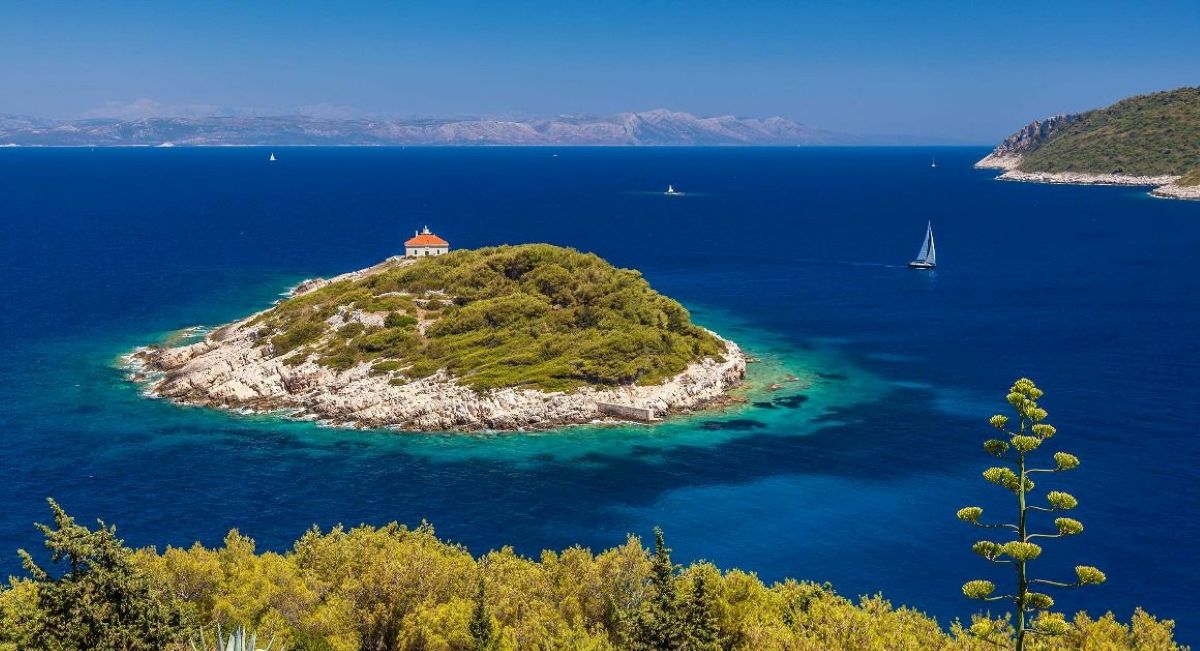
Anyone who has ever felt the cool morning breeze along the coast knows that its magic is not something you bargain for—it is something you treasure. Choosing to visit this coast means falling in love, with ancient stone alleys, fresh olive oils and genuine local warmth. As coastal towns raise the bar travelers are invited to slow down and truly savor the coast’s heritage. Expecting a dirt‑cheap getaway misses the point entirely. Investing in quality over cut‑rate deals keeps this place alive ensuring every memory made remains deeply authentic, timeless and completely unforgettable.
Redefining European Tourism: Operational Challenges and Rising Expenditures Across the Mediterranean Coast
Recent comprehensive economic assessments highlight that operating costs for small hospitality providers have surged exponentially across Poreč and adjacent coastal municipalities. Small business owners face dramatic price surges in electricity, local raw ingredients, administrative taxes, and workforce wages. Regional industry leaders explained that recent menu and lodging price increases do not generate surplus corporate wealth; rather, these tariff adjustments serve as essential defensive moves for basic commercial survival and job security. Consequently, international tourists must acknowledge that higher prices directly reflect the rising costs of delivering exceptional service in today’s inflationary economic climate.
This economic shift is reshaping how international sightseers structure their vacation spending when planning trips to Europe. Budget accommodations and low-cost dining alternatives are rapidly diminishing from coastal resort towns, prompting travelers to allocate significantly larger budgets for authentic experiences. Furthermore, service operators are continuously upgrading their facilities, ensuring that every elevated fee is justified by high-grade hospitality, impeccable safety, and memorable regional experiences.
Advertisement
Advertisement
Long-Term Industry Impacts: Foreign Workforce Integration and Comprehensive Legislative Reform in Istria
The coastal territory of Istria continues to serve as the nation’s primary economic engine, driving standard tourist traffic and generating an astonishing 29.5 million overnight stays within the first nine months of the calendar year. This colossal volume represents nearly one-third of total national tourism activity. However, maintaining such massive operations requires robust staffing solutions. To resolve severe regional labor shortages, local authorities in Istria established dedicated integration networks to support foreign workers. These initiatives actively resolve complex language barriers, assist with housing, and integrate international employees into local communities, ensuring smooth business operations while safeguarding authentic regional hospitality traditions.
Advertisement
Advertisement
From a global market perspective, these labor integration initiatives guarantee high service standards for incoming international travelers. As foreign hospitality staff adapt smoothly to local cultural norms, global visitors enjoy uninterrupted, high-quality service even during peak vacation months. This staffing stability guarantees that tourists from the USA, the UK, and across Europe experience world-class care throughout their stay in Istria.
Simultaneously, state officials have suspended cumbersome, outdated administrative rules that previously burdened small merchants with weekly price-list updates and complex documentation. Government authorities confirmed that streamlined legislative frameworks are being finalized to protect legal craftsmen and maintain market transparency. Looking forward, a newly finalized Hospitality Activity Act will take full effect at the start of 2027. This landmark legislation will eliminate illegal shadow market competitors, digitize business licensing, and solidify Croatia‘s long-term reputation as a premier, ethically managed destination on the global travel stage.
Advertisement
Advertisement
Shift in Overseas Tourist Demographics and Long-Haul Expenditure Metrics
The transition toward a premium destination model is fundamentally reshaping international inbound markets across coastal Croatia. Statistical evaluations indicate that the nation recorded over 12.38 million tourist arrivals and 59.13 million overnight stays during peak seasonal months. While traditional European source markets continue to provide a steady baseline of visitors, high-yield long-haul travelers are increasingly driving overall revenue growth. Guests originating from the USA now lead all foreign demographics with an impressive average expenditure of €280 per day, contributing 510,000 arrivals and over 1.44 million overnight stays. These long-distance travelers demonstrate a distinct preference for high-end accommodations, cultural tours, and fine dining, which offsets flat arrival numbers from low-cost European segments and sustains regional business profitability.
From an international travel planning perspective, this demographic pivot forces operators to tailor their service packages to meet the elevated expectations of long-haul visitors. Because travelers visiting from other continents stay longer and allocate larger daily budgets, coastal enterprises are reallocating marketing capital toward high-yield regions across North America and Asia. This strategic adjustment alters the broader visitor composition across the Mediterranean, creating an ecosystem where quality service and premium offerings take clear precedence over mass-market volume.
Regional Concentration and Market Performance Metrics Across Istria and Dalmatia
Advertisement
Advertisement
Economic activity along the coast remains heavily concentrated within specific primary hubs, led predominantly by the region of Istria, which single-handedly accounts for one-third of total national tourism volume with 29.5 million overnight stays. Local operators in coastal municipalities, such as Poreč, support nearly 12,000 active craftsmen, with 1,200 directly engaged in hospitality. This intense geographic concentration creates highly active micro-economies where average daily tourist expenditures reach €160 per person, significantly outperforming inland territories and setting a strong financial benchmark for the entire region.
This geographical clustering of tourist activity generates operational dynamics that directly influence local commercial pricing models. Tourism boards and service distributors must account for these spatial cost variations when constructing regional itineraries. Because high-demand coastal zones consistently attract dense visitor volumes, local merchants maintain strong pricing power, ensuring that regional investments remain concentrated in top-tier infrastructure, coastal preservation, and high-standard service delivery.
Input Cost Dynamics and Inflationary Pressure Metrics in Small Hospitality Enterprises
Rising operational expenses across the broader supply chain are the primary driver behind elevated consumer price tags. Within the national network of 12,094 active crafts operating under the Guild of Hospitality Operators and Tourism Workers, steep increases in utility bills, ingredient sourcing, commercial leases, and payroll obligations have severely squeezed profit margins. Consequently, recent tariff adjustments across dining and lodging establishments represent defensive operational maneuvers required for basic business survival and job preservation, rather than efforts to generate surplus corporate wealth.
For global travel buyers, recognizing these supply chain pressures provides crucial context for modern Mediterranean pricing strategies. Rising baseline operating costs render discount tourism models economically unviable for small business owners. As a result, hospitality providers are compelled to emphasize high-value, authentic service experiences to justify necessary price increases in an inflationary global market.
Foreign Workforce Integration and Demographic Shifts in Coastal Service Markets
Advertisement
Advertisement
Severe regional labor shortages have made the integration of an international workforce an operational necessity across the coastal service sector. To maintain high service standards despite local demographic shortfalls, regional leaders in Istria have established comprehensive integration networks and language support systems for foreign staff. With foreign workers occupying essential roles across hotel networks and dining establishments, these community support initiatives stabilize workforce numbers and ensure seamless operational continuity during peak vacation months.
The successful integration of foreign hospitality workers directly impacts the day-to-day experience of global vacationers. By providing formal language training and cultural onboarding support, regional authorities prevent service bottlenecks during busy periods. This labor stability ensures that international guests receive attentive, world-class hospitality throughout every municipal district.
Consumer Value Perception and Mid-Range Dining Trends in Regional Tourism
Despite the overarching shift toward a premium destination structure, empirical survey data demonstrates that consumer spending remains firmly grounded in value-driven choices. Approximately 68% of international tourists consistently select mid-priced dining venues, illustrating that while visitors accept higher overall baseline prices, they demand clear “value for money.” Visitors from the UK represent another top-spending demographic, averaging €248 per daily stay, yet they exhibit selective spending behaviors that favor authentic local taverns and verified quality over artificial luxury markups.
Holidaymakers and travel organizers must align their financial expectations with this reality. The strong preference for mid-tier dining proves that elevated pricing must be matched by high quality and cultural authenticity. Destination managers must focus on delivering exceptional consumer value rather than implementing arbitrary price hikes without tangible service improvements.
Legislative Overhauls and the 2027 Regulatory Framework for Tourism
Advertisement
Advertisement
The legal and administrative framework governing coastal hospitality is undergoing major structural reform to protect market integrity and eliminate commercial distortions. Government representatives recently suspended complicated administrative regulations that previously required small merchants to execute frequent, cumbersome price-list updates. This regulatory pause paves the way for a comprehensive Hospitality Activity Act set to take full effect at the beginning of 2027, which will digitize licensing workflows, crack down on unregistered shadow competition, and establish fair operational guidelines for legal craft owners.
These upcoming statutory updates offer long-term stability for international commercial partners and local business owners alike. By eliminating administrative burdens and curtailing illicit business practices, the future legislative structure ensures a transparent, highly professional commercial environment across the nation’s entire tourism market.
Historical Heritage and Enogastronomic Assets as Drivers of Destination Value
The long-term resilience of coastal tourism relies on rich historical heritage and regional gastronomy rather than generic resort infrastructure. Regions like Istria boast hospitality roots dating back nearly 180 years, as preserved in historical travel documents housed in the museum of Poreč. The local enogastronomic sector serves as a primary motivator for international arrivals, providing the cultural substance that justifies premium pricing when compared to standardized resort destinations elsewhere in Europe.
Travel planners can utilize these deep-rooted cultural assets to design immersive, high-value itineraries. Authentic culinary traditions and historic architecture allow destination managers to maintain high destination value, attracting discerning travelers who seek meaningful cultural engagement over low-cost holiday packages.
Comparative Competitive Positioning and Yield Management in the Mediterranean Basin
Advertisement
Advertisement
The deliberate transition away from low-cost tourism directly alters competitive dynamics between Croatia and rival destinations across the Mediterranean, such as Italy and Greece. Rather than competing in high-volume, low-margin markets, national policy creators prioritize economic yield per visitor stay. By investing heavily in expanded air routes, digital marketing campaigns, and premium infrastructure, local authorities ensure that elevated pricing remains fully aligned with superior quality and authentic guest experiences.
This strategic positioning redefines the country’s status within the southern European travel market. Travel agents and global distributors must adapt their promotional strategies as coastal destinations position themselves strictly as premium, value-focused environments that compete on service excellence, cultural authenticity, and high overall traveler satisfaction.
The Final Verdict
Leaving these shores you quickly realize that the real wealth of a journey is not measured by cheap bargains but by memories that linger forever. The warmth of a family tavern, the still quiet of cobblestones and the hands that work hard preparing your meal these precious moments are priceless. Choosing to support care ensures this coastal paradise lives for generations to come. When you embrace quality, over a cheap price you do not just visit the coast; you leave a piece of your heart behind and carry its soul home with you on this journey.
Advertisement
