
Italy Alongside France and Germany Ignites Global Film Tourism Excitement with Rome Film Fest 2026

Published
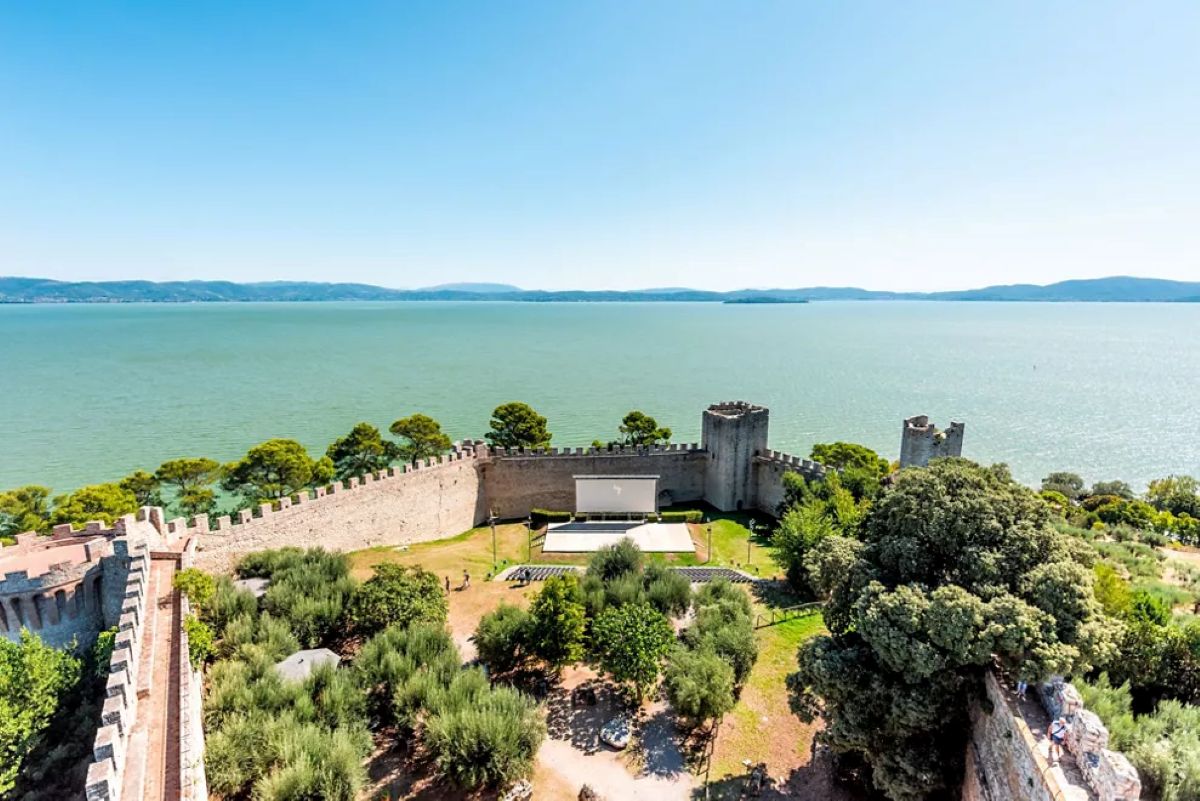
Italy Alongside France and Germany Ignites Global Film Tourism Excitement with Rome Film Fest 2026.Historic piazzas, grand amphitheaters, and cultural pavilions across the Eternal City are operating at capacity as the 21st edition of the Rome Film Fest (Festa del Cinema di Roma) unfolds from 13 to 25 October 2026. Originally established in 2006 and organized by the Fondazione Cinema per Roma under the supervision of Italy’s national government, the expanded 13-day festival stands as one of Southern Europe’s most dynamic public screen showcases and competitive creative markets.
Supported by multi-tiered public governance—including the Ministero della Cultura (Cultura.gov.it), the Regione Lazio, and Roma Capitale—the festival combines premier red-carpet galas with public screenings, masterclasses, and decentralized civic activations. Beyond its artistic prestige, the event serves as an economic stabilizer, drawing thousands of international cinephiles, accredited distributors, and cultural holidaymakers to the Lazio region during the critical autumn shoulder season.
Where Does the Event Take Place and Who Is Participating?
Rather than cordoning screenings into an isolated convention hall, Rome Film Fest activates an extensive urban footprint centered in the Flaminio quarter and dispersing across the capital:
- The Epicenter & Red Carpet: The festival’s primary institutional and architectural spine remains the Auditorium Parco della Musica Ennio Morricone, designed by Renzo Piano. The complex houses the Sinopoli, Petrassi, and Santa Cecilia halls alongside the 1,300-square-meter red carpet—one of the largest worldwide—and the public Cinema Village featuring glass-and-steel pavilions.
- Civic Urban Dispersal: Screenings and specialized panels extend to key cultural venues across Rome, including the MAXXI (National Museum of 21st Century Arts), Casa del Cinema in Villa Borghese, Teatro Olimpico, Cinema Giulio Cesare, Teatro Palladium in Garbatella, and the historic Castel Sant’Angelo. For 2026, satellite showcases include direct public projections inside Terminal 1 of Leonardo da Vinci–Fiumicino Airport and Rome’s Regina Coeli institute.
- Participating Creators, Talent, and Jurors: Helmed by Artistic Director Paola Malanga and Foundation President Salvo Nastasi, the 2026 edition features over 190 titles representing more than 40 countries. Headline tributes include Career Lifetime Achievement Awards to Academy Award winner Javier Bardem and Julianne Moore, alongside the Industry Lifetime Achievement Award presented to producer Tessa Ross. Concurrently, the Alice nella Città youth strand and international distribution markets draw over 3,500 accredited trade delegates.
How Has In-Person Attendance Tracked Over the Past Five Years?
Official ticketing registries compiled from Fondazione Cinema per Roma reconciliations and verified under Ministero della Cultura cultural metrics demonstrate sustained growth, transitioning from hybrid models into record turnstiles:
Advertisement
Advertisement
| Year | Edition Framework | Aggregate Ticketed & Badge Turnout | Average Venue Occupancy Rate | Audited Dynamics & Policy Catalysts |
| 2021 | 16th Edition (Post-Lockdown) | ~72,000 | 76.5% | Reintroduction of physical audiences with health-pass checks; phased public return. |
| 2022 | 17th Edition (New Competitive Era) | ~91,500 | 83.0% | Official launch of Progressive Cinema competition; unrestricted international arrivals. |
| 2023 | 18th Edition (Civic Footprint) | ~104,200 | 87.5% | Strong European rail uptake; sold-out public masterclasses and citywide repeats. |
| 2024 | 19th Edition (Historical Benchmark) | ~110,400 | 91.0% | Expanded theatrical network; double-digit increase in foreign accredited press. |
| 2025 | 20th Anniversary Edition | 116,503 | 93.4% | Audited record with 436 screenings across 198 films; surge in youth access passes. |
Which Other Countries Host Similar Premier Film Gatherings?
While Rome offers a distinctive open-city public festival ethos, several sovereign nations stage equivalent tier-one metropolitan film celebrations that anchor the international awards circuit:
- United Kingdom (BFI London Film Festival): Britain’s premier cinematic showcase, staging over 250 global features across London and regional UK picturehouses every October.
- France (Festival Lumière, Lyon): Held in Lyon, this festival serves as the global benchmark for cinema heritage, archival 4K restorations, and retrospectives.
- Canada (Toronto International Film Festival – TIFF): North America’s largest public film showcase, functioning as a decisive commercial springboard for major autumn releases.
- Germany (Berlin International Film Festival – Berlinale): Europe’s major winter civic cinematic celebration, combining high public ticket volume with the European Film Market.
Which Region of Travellers Come to This Event Most?
Mobility analytics monitored in coordination with ISTAT and the national tourism agency ENIT outline three primary feeder corridors:
Advertisement
Advertisement
- Western & Central European Corridors (France, Germany, UK, Spain): Represents over 46% of inbound non-domestic visitors. Utilizing direct high-speed Frecciarossa rail from northern hubs and short-haul flights into Fiumicino and Ciampino, European cinephiles routinely book extended long-weekend itineraries.
- North America (United States & Canada): Comprises approximately 32% of foreign arrivals, consisting of studio representatives, institutional buyers, and high-spending cultural tourists drawn to Rome’s heritage alongside festival galas.
- Domestic Italian Inter-City Rail Corridor: Generates roughly 22% of non-local footfall, driven by film academy students and screen societies commuting from Milan, Bologna, Florence, and Naples via high-speed rail.
Which Country Benefits Most and How Are Tourism and the Economy Impacted?
Italy—specifically the Regione Lazio and the Metropolitan City of Rome—stands as the primary macroeconomic beneficiary:
- Direct Counter-Cyclical Hospitality Spending: According to economic telemetry from ISTAT, cultural tourists spend an average of 28% to 34% more per day than standard sightseers. Over its 13-day run, the Rome Film Fest injects an estimated €42 million to €48 million into the regional economy through hotel bookings, dining, ground transport, and event production services.
- Hotel Occupancy and ADR Compression: Accommodation providers across Flaminio, Parioli, and the historic center report occupancy rates reaching 87% to 92% on festival weekends, supporting Average Daily Rates (ADR) during the mid-autumn period.
- Long-Term Industrial Retention: Beyond box-office receipts, the festival bolsters Rome’s position as a global audiovisual production capital, channeling international co-production pacts and tax-credit projects directly into Cinecittà Studios.
Rome Film Fest 2026 Strengthens Italy’s Position in Global Cinema Tourism
As Rome Film Fest 2026 unfolds, Italy is strengthening its position alongside the UK, France, Germany and Canada in the global film tourism landscape. The festival brings international filmmakers, celebrities and cinema enthusiasts together while supporting hotels, restaurants and cultural attractions across Rome.
Advertisement
Advertisement
Beyond entertainment, the event highlights how film festivals can encourage autumn travel, promote heritage destinations and stimulate local businesses. With its historic landmarks and international appeal, Rome continues to demonstrate the growing connection between cinema, tourism and economic development.
Advertisement
