
United Airlines Joins Delta, American, American Express and Others as San Francisco, Los Angeles, Seattle, Houston and Atlanta Ignite a Historic Outdoor Lounge Terrace Revolution Reshaping Global Luxury Airport Travel Experience

Updated
Published
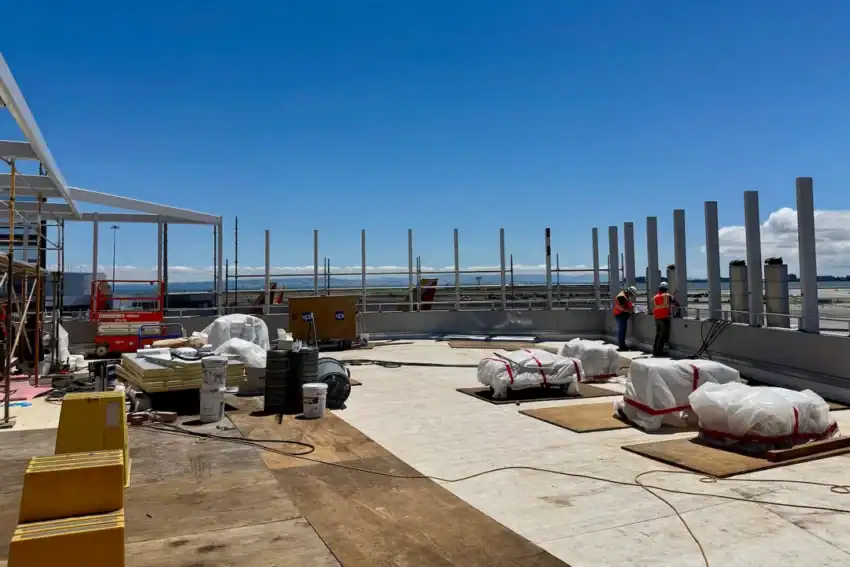
Image generated with Ai
United Airlines Joins Delta, American, American Express and Others as San Francisco, Los Angeles, Seattle, Houston and Atlanta ignite a historic outdoor lounge terrace revolution reshaping global luxury airport travel experience. United Airlines Joins this transformation as US airports expand open-air lounges and premium terraces. United Airlines Joins competitors in redefining airport hospitality through wellness-driven design, scenic views and experiential travel spaces. United Airlines Joins a global aviation trend where airports are no longer transit points but luxury destinations. United Airlines Joins a major shift across major US hubs where passenger comfort and experiential luxury are becoming central to airport design strategy.
Why are US airports introducing outdoor lounge terrace experiences?
US airports are rapidly evolving into experiential travel hubs as airlines and airport operators compete to redefine premium passenger comfort. According to aviation industry insights and airport development reports, travellers now expect more than traditional indoor lounges, leading to a global shift toward outdoor terraces, open-air seating, and wellness-oriented airport environments.
This transformation is driven by increasing demand for natural light, open spaces, and stress-free pre-flight experiences. Airlines such as United Airlines, Delta Air Lines, and American Airlines are investing heavily in lounge redesigns to improve customer loyalty and differentiate premium services.
The result is a structural change in airport design philosophy, where terminals are becoming lifestyle destinations rather than purely functional travel spaces.
Advertisement
Advertisement
How is San Francisco leading the outdoor lounge revolution?

Image generated with Ai
San Francisco International Airport is at the centre of this transformation due to United Airlines’ flagship investment in a massive new United Club. The lounge includes a 4,000-square-foot outdoor terrace overlooking the airfield, making it one of the largest outdoor airport lounge spaces in the United States.
According to official United Airlines development plans, the lounge spans 25,000 square feet and integrates indoor luxury with open-air relaxation zones. The design includes seating areas, a pass-through bar, and covered sections for year-round usability.
Advertisement
Advertisement
San Francisco’s role as a transpacific hub makes it a strategic testing ground for next-generation airport hospitality concepts.
Why is Los Angeles a major outdoor lounge innovation hub?

Image generated with Ai
Los Angeles International Airport is one of the most advanced US airports for outdoor lounge development. Delta Air Lines operates premium Delta One Lounge spaces with terrace access, while American Airlines offers outdoor-style seating in selected Admirals Clubs.
The city’s high passenger volume and international connectivity make it a key location for testing experiential airport luxury concepts. According to airline lounge design strategies, LAX represents a blend of lifestyle, tourism, and business travel demand.
This combination makes Los Angeles a critical driver of global airport hospitality innovation.
How is Seattle shaping wellness-driven airport lounge design?
Seattle-Tacoma International Airport is a leading example of wellness-focused lounge design in the United States. Delta Air Lines’ Sky Club and Delta One Lounge include outdoor terrace seating that emphasises relaxation and natural environment integration.
According to Delta’s official lounge design framework, Seattle is used as a model for combining sustainability, comfort, and experiential travel. The airport’s design philosophy focuses on reducing stress and enhancing passenger wellbeing before long-haul flights.
Advertisement
Advertisement
Seattle represents a broader shift toward nature-inspired airport environments in global aviation.
Why are Houston and Atlanta key to lounge expansion?
Houston George Bush Intercontinental Airport is undergoing one of the largest lounge expansions in North America with United Airlines developing a 54,000-square-foot United Club that includes outdoor terrace integration.
Atlanta’s Hartsfield-Jackson International Airport is equally important due to the American Express Centurion Lounge, which includes premium outdoor terrace seating. According to Centurion Lounge network data, Atlanta is a flagship location for credit card-based luxury airport hospitality.
Both cities reflect the increasing competition between airlines and financial service providers in shaping airport experiences.
How are airlines competing through lounge terrace innovation?
Airlines are increasingly using lounge terraces as a competitive differentiator in premium travel. United Airlines is leading large-scale investments, while Delta Air Lines focuses on wellness and scenic design integration. American Airlines is expanding Admirals Clubs with selective outdoor decks, and American Express is building premium lifestyle lounges with terrace access.
According to aviation industry reports, this competition is driven by rising demand for experiential travel and loyalty-driven customer retention strategies. Airports are no longer just transit points but premium lifestyle spaces.
Advertisement
Advertisement
What does this mean for the future of global airport travel?
The rise of outdoor lounge terraces marks a fundamental shift in global aviation hospitality. Airports are transitioning from functional infrastructure to experiential destinations where travellers spend more time, engage in leisure activities, and enjoy premium environments.
According to global airport design trends, wellness, comfort, and experiential luxury are becoming core priorities in airport development strategies. This shift is expected to continue across major international hubs worldwide.
Airlines Investing in Outdoor Lounge Terraces
United Airlines – Outdoor Lounge Expansion Leader
United Airlines is the most aggressive investor in outdoor lounge terrace development in the United States, leading a structural shift in premium airport hospitality design. According to official United Airlines network expansion announcements, the airline is investing heavily in experiential lounge infrastructure at its key hubs including San Francisco International Airport (SFO), Houston George Bush Intercontinental Airport (IAH), and Washington Dulles International Airport (IAD). The flagship project is the new United Club at SFO Terminal 2, which features a 4,000-square-foot outdoor airfield-view terrace integrated into a 25,000-square-foot lounge facility. This terrace is designed to provide open-air seating, a pass-through bar, and covered heating zones for year-round use. At Houston IAH, United is developing a massive 54,000-square-foot lounge complex with outdoor terrace integration, reinforcing its dominance in long-haul international hubs. At Washington Dulles (IAD), United is expanding premium lounge capacity as part of its terminal redevelopment strategy. Official airline statements confirm that these investments aim to redefine passenger experience through wellness-driven, open-air airport environments, positioning United as a global leader in experiential aviation hospitality design.
Delta Air Lines – Wellness-Focused Terrace Innovator

Image generated with Ai
Delta Air Lines has emerged as a key competitor in outdoor lounge terrace innovation, with official Delta Sky Club and Delta One Lounge expansion programmes incorporating open-air design elements. At Los Angeles International Airport (LAX), Delta operates a premium Delta One Lounge featuring outdoor terrace seating with airfield views, designed for international business-class passengers. At Seattle-Tacoma International Airport (SEA), Delta’s Sky Club and Delta One Lounge include outdoor terrace areas integrated into wellness-focused lounge architecture, aligning with the airline’s emphasis on comfort and relaxation. At Hartsfield-Jackson Atlanta International Airport (ATL), Delta collaborates within the broader premium lounge ecosystem, including integration with the American Express Centurion Lounge network, which also features outdoor terrace seating. According to official Delta Air Lines lounge design documentation, these terraces are part of a broader strategy to enhance passenger wellbeing through natural lighting, open-air environments, and reduced travel stress. Delta’s investment model focuses on experiential differentiation, ensuring premium passengers receive a more immersive airport experience. This positions Delta as a major driver of wellness-oriented lounge transformation across key US aviation hubs.
American Airlines – Selective Outdoor Deck Expansion
American Airlines is investing selectively in outdoor lounge terrace development as part of its Admirals Club modernisation strategy. Official airline redevelopment plans confirm expansion at airports including Austin-Bergstrom International Airport (AUS), Nashville International Airport (BNA), and Dallas–Fort Worth International Airport (DFW). At Austin (AUS), American Airlines is introducing its first major Admirals Club with an outdoor terrace overlooking the airfield and city skyline, designed to serve high-growth domestic and leisure routes. At Nashville (BNA), the airline is upgrading its lounge facilities with outdoor deck seating areas integrated into a redesigned Admirals Club concept. At Dallas–Fort Worth (DFW), American Airlines is involved in broader terminal and lounge redevelopment projects that include enhanced relaxation zones and future potential for outdoor integration. According to official American Airlines infrastructure strategy documents, the airline is focusing on selective premium upgrades rather than system-wide terrace deployment. This approach reflects a targeted investment model aimed at leisure-heavy and high-traffic airports, strengthening customer experience while maintaining cost efficiency in lounge expansion strategy.
American Express Centurion Lounge Network – Premium Open-Air Innovation
American Express is not an airline, but it plays a critical role in shaping airport lounge innovation through its Centurion Lounge network, which includes outdoor terrace developments across major US airports. At Atlanta Hartsfield-Jackson International Airport (ATL), the Centurion Lounge features outdoor terrace seating integrated into a multi-level luxury lounge design, making it one of the most advanced credit-card-operated lounges in the world. At Salt Lake City International Airport (SLC), Amex has incorporated open-air design principles in its premium lounge experience, reflecting growing demand for wellness-based travel environments. Future expansion plans include Boston Logan International Airport (BOS) and Newark Liberty International Airport (EWR), where Centurion Lounges are expected to feature hybrid indoor-outdoor configurations. According to official American Express Centurion Lounge network disclosures, the strategy focuses on lifestyle-driven hospitality rather than traditional airline loyalty models. The inclusion of terraces, natural lighting, and open-air seating is designed to enhance exclusivity and passenger comfort, positioning Amex as a major competitor in premium airport experience innovation.
Advertisement
Advertisement
Plaza Premium Group – Global Lounge Operator Expansion
Plaza Premium Group is one of the world’s largest independent airport lounge operators and is actively expanding premium lounge infrastructure across US airports. Official company announcements confirm operations and expansion projects at Dallas–Fort Worth International Airport (DFW), Los Angeles International Airport (LAX), and John F. Kennedy International Airport (JFK). While not all Plaza Premium lounges feature fully open-air terraces, the company is increasingly integrating outdoor-inspired relaxation zones and hybrid open-space concepts into its lounge architecture. At DFW Terminal D, Plaza Premium is involved in premium lounge redevelopment focused on comfort and spatial experience. At LAX, the operator is part of broader terminal hospitality upgrades. At JFK, Plaza Premium continues expanding its international lounge footprint with experiential design elements. According to official Plaza Premium Group strategy statements, the focus is on enhancing global passenger comfort through flexible lounge environments that align with airline and airport modernization trends. This positions the company as a key infrastructure partner in evolving airport hospitality design.
Frequently Asked Questions
Q1: Which US airport has the largest outdoor lounge terrace?
San Francisco International Airport with United Airlines’ new United Club.
Q2: Which airlines are investing in outdoor lounges?
United Airlines, Delta Air Lines, American Airlines, and American Express.
Q3: Why are outdoor airport lounges becoming popular?
Because passengers want comfort, space, and experiential travel environments.
Q4: Are outdoor lounges available in all US airports?
No, they are currently limited to major hub airports.
Conclusion
United Airlines Joins Delta, American, American Express and Others as San Francisco, Los Angeles, Seattle, Houston and Atlanta reshape global airport hospitality through outdoor lounge terrace innovation. United Airlines Joins this transformation because passenger expectations are evolving toward wellness, comfort, and experiential travel. United Airlines Joins industry competition where airports are becoming lifestyle destinations rather than transit points. The cause is rising demand for premium travel experiences, the answer is outdoor lounge expansion, and the reason is the global shift in aviation design focused on passenger wellbeing and luxury-driven airport environments.
Image Source: https://thepointsguy.com/
Advertisement
