
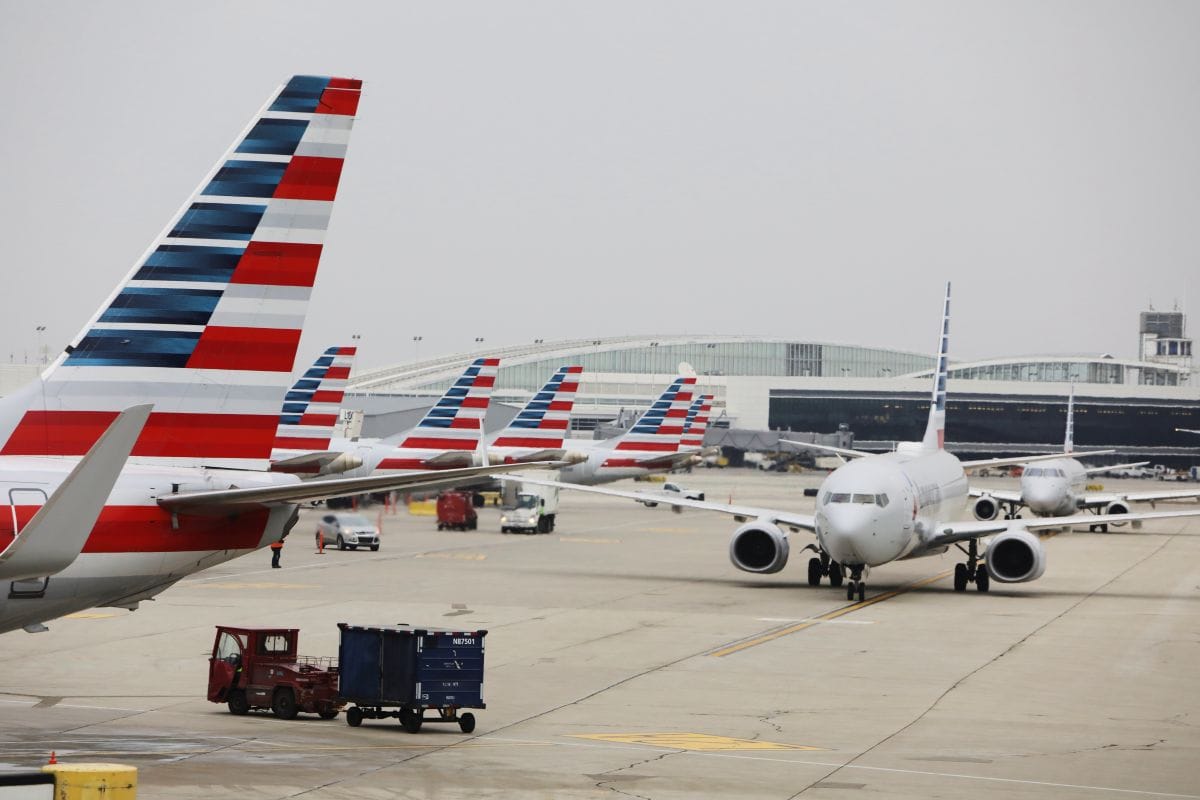
Image generated with Ai
American Airlines AA1009 makes an emergency return to Los Angeles after take-off for Chicago, as the flight turns back safely and disrupts travel plans.
American Airlines AA1009 makes an emergency return to Los Angeles after take-off for Chicago, creating a dramatic overnight aviation disruption. However, the flight returned safely. The Chicago-bound Boeing 737 turned back after the crew declared an emergency, changing an ordinary journey into an urgent operation. Consequently, air traffic control guided the aircraft towards Los Angeles, while emergency teams prepared for its arrival. The safe landing brought immediate relief. Moreover, the incident highlights how quickly airlines act when unexpected situations emerge. For travel and tourism passengers, the return caused disruption, yet safety remained the priority throughout. The emergency’s exact cause remains unconfirmed.
American Airlines flight AA1009, travelling from Los Angeles to Chicago, declared an emergency shortly after departure on Friday and returned safely to Los Angeles International Airport, where it landed around 45 minutes after take-off before airport emergency personnel escorted the Boeing 737 from the runway.
Passengers travelling from Los Angeles to Chicago faced an unexpected interruption after American Airlines flight AA1009 declared an emergency during the early hours of Friday and abandoned its planned journey to Chicago O’Hare, instead turning around and heading back to Los Angeles International Airport as the crew prioritised a precautionary and safe return. The flight, operated by a Boeing 737-800 registered N842NN, had departed LAX shortly after midnight and was initially progressing normally towards its destination, serving a major domestic route important for business travellers, leisure passengers, travel and tourism connectivity.
Advertisement
Advertisement
The aircraft had taken off from Runway 25R and followed its departure routing before climbing to 31,000 feet, but the situation changed roughly 30 minutes into the flight when the crew declared an emergency and began an immediate return to Los Angeles. Although the emergency prompted a rapid change in the flight’s plans, the available information did not confirm what caused the crew to make that decision, with no official explanation from American Airlines or the Federal Aviation Administration regarding whether the incident involved a technical, mechanical, medical or other operational issue.
Once the emergency was declared, air traffic control began managing the aircraft’s priority return to Los Angeles, with the flight being routed back towards LAX while airport teams prepared for its arrival under standard aviation emergency protocols. Such coordination is a critical part of commercial aviation, particularly at a major international gateway like LAX, where controllers, airline operations teams and airport emergency services must work together to create a safe environment for an aircraft requiring immediate attention.
The Boeing 737 successfully landed on Runway 25L approximately 45 minutes after leaving Los Angeles, bringing the airborne portion of the emergency to a safe conclusion and allowing ground personnel to take over the next stage of the response. After touchdown, the aircraft vacated the runway and was escorted by ARFF personnel, the specialist Aircraft Rescue and Fire Fighting teams stationed at airports to respond to emergencies and provide support whenever an aircraft returns under unusual or precautionary circumstances.
Yes, AA1009 landed safely at Los Angeles International Airport, and the safe landing remains the central confirmed outcome of the incident as the cause behind the emergency return had not been disclosed in the latest information available. No injuries were reported in the initial updates, although passengers and aviation observers were awaiting further clarification from American Airlines and potentially the FAA regarding the reason for the aircraft’s diversion back to its departure airport.
Advertisement
Advertisement
For travellers, the incident demonstrates the importance of the safety systems behind every commercial flight, because an emergency declaration is designed to give pilots immediate access to priority handling when they believe a situation requires additional attention. Returning to the departure airport may disrupt schedules and create delays for travel and tourism plans, but aviation procedures are deliberately structured around precaution, allowing crews to land and investigate a potential problem rather than continuing a flight when circumstances require a different decision.
Following the safe return and runway escort, the airline was reported to be confirming the operational situation, with a new departure scheduled for approximately 2:12 AM local time. The revised timing could have been subject to change because aircraft inspections, maintenance requirements, replacement equipment, crew scheduling and airport operations can all influence how quickly an interrupted flight is able to resume.
Passengers affected by the disruption would therefore need to check directly with American Airlines for the latest status of their journey, particularly those holding onward connections through Chicago O’Hare or travelling for time-sensitive tourism and business commitments. A delay on a major domestic route can have wider consequences across an itinerary, potentially affecting connecting flights, hotel reservations, ground transport, meetings and other arrangements, making real-time airline updates especially important following an emergency return.
Emergency returns are among the many situations for which commercial flight crews receive extensive training, and declaring an emergency does not necessarily mean that an aircraft or its passengers were in immediate catastrophic danger. Pilots can request priority handling for several reasons, including a suspected technical problem, an abnormal cockpit indication, a medical emergency or another condition that requires the aircraft to land sooner than originally planned.
In this case, the underlying reason remains unconfirmed, and it would be inappropriate to draw conclusions before American Airlines or relevant aviation authorities provide verified details. What is known is that the crew identified a situation requiring attention, declared an emergency, returned to Los Angeles and landed safely, while emergency services were ready to support the aircraft and its passengers throughout the final stages of the operation.
The Los Angeles-Chicago corridor is a significant domestic aviation market, connecting passengers with major business centres, international gateways and extensive tourism networks, so even a single overnight disruption can affect a range of individual travel plans. Travellers heading to Chicago for holidays, events or onward flights could face revised schedules, while passengers connecting through O’Hare may need to consider alternative flights if the delay affects their original itinerary.
The positive aspect for the travel and tourism sector is the safe resolution of the incident and the apparent effort to resume passenger operations, because airlines and airports are designed to recover from disruptions through contingency planning, spare capacity and coordinated operational responses. As aviation networks become increasingly interconnected, a rapid and transparent response following an emergency can help restore passenger confidence while ensuring that safety inspections and operational requirements are never compromised in the process.
In commercial aviation, safety is the overriding priority, meaning that flight crews are expected to act conservatively when circumstances suggest that an aircraft should be assessed on the ground. An on-time arrival, however important to passengers and the wider travel and tourism economy, can never take precedence over a captain’s responsibility to protect everyone on board and make decisions based on the information available during a flight.
The return of AA1009 to Los Angeles underlines how the aviation safety network functions in practice, from the cockpit decision and emergency declaration to air traffic control assistance, runway availability and the presence of specialist rescue and fire personnel after landing. The final confirmed result was a safe landing, and further details about the cause of the emergency may emerge once the airline and aviation authorities complete their initial assessment and determine what information can be officially released.
“American Airlines flight AA1009’s safe return to Los Angeles should be seen as a strong demonstration of how aviation safety procedures are designed to protect passengers when unexpected circumstances arise. The crew made the decision to return, air traffic control provided the required priority, and airport emergency teams were prepared for the aircraft’s arrival, showing the importance of coordinated action across the entire aviation system. Although delays can affect travel and tourism plans, passengers can take confidence from the fact that safety decisions are never secondary to punctuality. The most positive outcome is clear: the aircraft returned safely and passengers could continue their journeys through appropriate arrangements.”
American Airlines AA1009 makes an emergency return to Los Angeles after take-off for Chicago because the flight crew identified an unspecified situation serious enough to declare an emergency and reverse course. The answer is straightforward: safety came first, and the pilots chose to return rather than continue. The reason behind the declaration has not yet been officially confirmed, so speculation should be avoided. Instead, the known facts show a controlled response, a safe landing and emergency support after arrival. Ultimately, the incident demonstrates why aviation prioritises precaution. Travel and tourism plans faced disruption, but passengers benefited from established procedures working exactly as intended.
AA1009 declared an emergency after departing Los Angeles for Chicago and returned safely to Los Angeles International Airport.
The aircraft was scheduled to fly from Los Angeles International Airport to Chicago O’Hare International Airport.
AA1009 was operated by a Boeing 737-800 registered as N842NN.
The aircraft reportedly landed back at LAX around 45 minutes after its departure.
The cause had not been officially confirmed in the latest available information.
Yes, airport emergency response teams were on standby, and the aircraft was escorted after it vacated the runway.
The latest update indicated that a new departure was scheduled for approximately 2:12 AM local time, subject to operational changes.
Advertisement
Advertisement
Advertisement













Saturday, September 5, 2026

Friday, September 4, 2026

Saturday, September 5, 2026

Saturday, September 5, 2026

Thursday, September 3, 2026

Wednesday, September 2, 2026

Saturday, September 5, 2026

Saturday, September 5, 2026


