
South Korea Travel Hits Historic High in 2026 : Latest Tourism Stats, BTS Effect And Government Policy Updates – All You Need To Know Now !
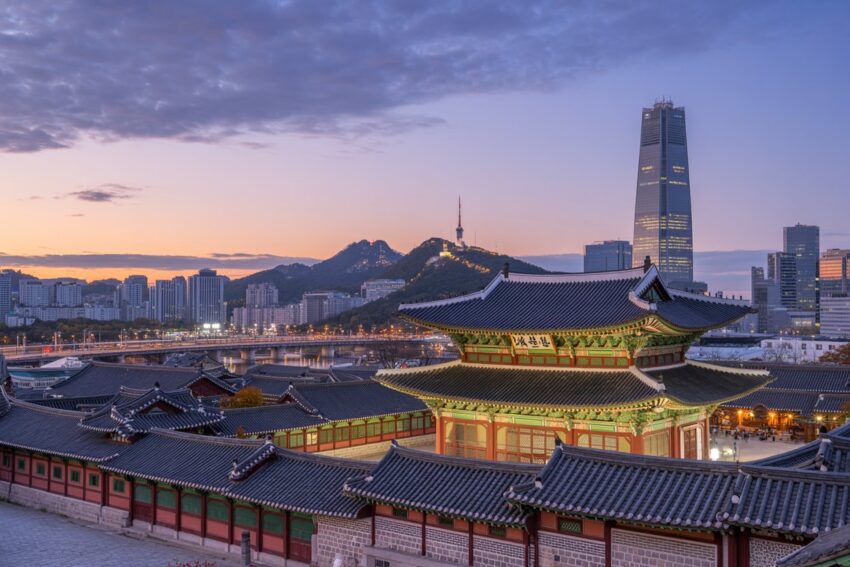 Image generated with Ai
From the moment the first international visitors set foot in South Korea this year, the human energy and excitement have been palpable. In 2026, South Korea is experiencing an extraordinary tourism boom, with cities like Seoul, Busan, and Jeju welcoming record numbers of travellers. The warmth of local hospitality, blended with world‑class cultural shows and modern attractions, has made Korea not just a destination but a global travel phenomenon.
Recent official data shows that in the first quarter of 2026 alone, South Korea received a remarkable 4.76 million foreign tourists, marking the highest figure for this period in the nation’s history. This surge reflects an astonishing 23 per cent increase compared with the previous year and underscores how deeply Korea’s cultural appeal resonates across continents.
Advertisement
Advertisement
Government Action and Strategic Tourism Reforms Fuel Record Growth
The South Korean government, through the Ministry of Culture, Sports and Tourism and the Korea Tourism Organization (KTO), has been actively reshaping its tourism strategy for 2026 and beyond. These shifts aim to make travel to the country smoother, more attractive, and culturally rich for foreign visitors. Among the most impactful moves have been expanded visa schemes and streamlined entry processes for nationals from key markets.
Policy reforms include longer multiple‑entry visas and relaxed procedures at immigration counters, encouraging longer stays and repeat visits. Such changes have helped stimulate demand from neighbouring nations like China, Japan and Taiwan, which now contribute a significant percentage of inbound travel. Visa facilitation has reduced barriers that once deterred spontaneous or repeat visitors.
Advertisement
Advertisement
In addition, Seoul and other provincial tourism boards are working with international partners to enhance destination services and showcase regional attractions beyond the capital’s limits. This was a strategic move to spread economic benefits nationwide and reduce overcrowding in urban hotspots.
K‑Culture’s Worldwide Pull: BTS And The Korean Wave Igniting Travel Demand
One of the most compelling forces behind the tourism boom is the ongoing global fascination with Korean culture — often dubbed the “Korean Wave.” From K‑pop to K‑dramas, Korean fashion, film and food have found devoted audiences around the world. These cultural exports have turned many fans into tourists with a desire to experience the real Korea.
Advertisement
Advertisement
In March 2026, South Korea recorded an historic 2.06 million foreign visitors in a single month – a figure driven heavily by the massive international appeal of a comeback concert by one of Korea’s biggest acts BTS . Fans travelled from far and wide to attend live shows, explore fan sites and immerse themselves in Korean culture, injecting billions into the local economy during their stay.
Regional Destinations Rising: From Seoul to Jeju and Beyond
What makes this travel surge even more noteworthy is not just volume but breadth. While Seoul remains a top attraction, an increasing number of visitors are exploring regional gems such as Busan’s seaside charm, Jeju’s natural beauty, traditional cities like Gyeongju and cultural villages across the countryside.
Data indicates that travel through regional airports outside Seoul has grown significantly nearly 50 per cent year‑on‑year pointing to a broader distribution of tourist interest across South Korea. Tourism boards are leveraging this trend by promoting themed travel routes, local festivals and experiential tours that highlight Korea’s heritage and natural landscapes.
Economic Impact: Tourism’s Contribution to Growth and Global Standing
The economic effects of this travel surge are substantial. In addition to visitor numbers rising rapidly, foreign spending within Korea has grown sharply. Financial data shows a marked increase in credit card and retail transactions by international guests, underpinning stronger domestic consumption.
For many local businesses – from boutique hotels to street food vendors , the influx of tourists has rejuvenated demand, stimulating job creation and revenue growth in sectors that were hard hit during earlier travel downturns. The government’s proactive approach has helped tourism become a pillar of economic resilience and future growth.
Strategic Marketing And Data‑Driven Tourism Planning for 2026 and Beyond
Looking forward, Korean tourism authorities are intensifying efforts to harness technology and data analytics to better understand visitor preferences and travel behaviour. Insights from big data platforms help tailor campaigns that resonate with diverse visitor segments from luxury travellers to cultural enthusiasts and young explorers.
Advertisement
Advertisement
This refined approach, combined with Korea’s evolving tourism products including themed cultural trails, wellness experiences, and festival circuits positions the country to sustain its travel momentum throughout 2026 and beyond.
Tourism With Heart: Korea’s Future as a Global Travel Leader
As the sun sets behind the skyline of Seoul and rises over coastal Jeju, the warmth of Korean hospitality continues to leave a lasting impression on visitors. The travel boom of 2026 is not just about numbers -it is about the human stories, cultural connections and unforgettable experiences that shape a new era of global travel to South Korea.
From policy reforms to cultural magnetism, South Korea’s journey in cementing its place as a top global tourism destination now unfolds as one of the most compelling travel narratives of the decade.
Advertisement
