
Spain Power Grid Crisis Deepens as Blackout Ground Zero Identified in Granada, Tourism, Flights, and Hospitality Struggle Amid Ongoing Energy Emergency Across Iberia, What You Need To Know

Updated
Published
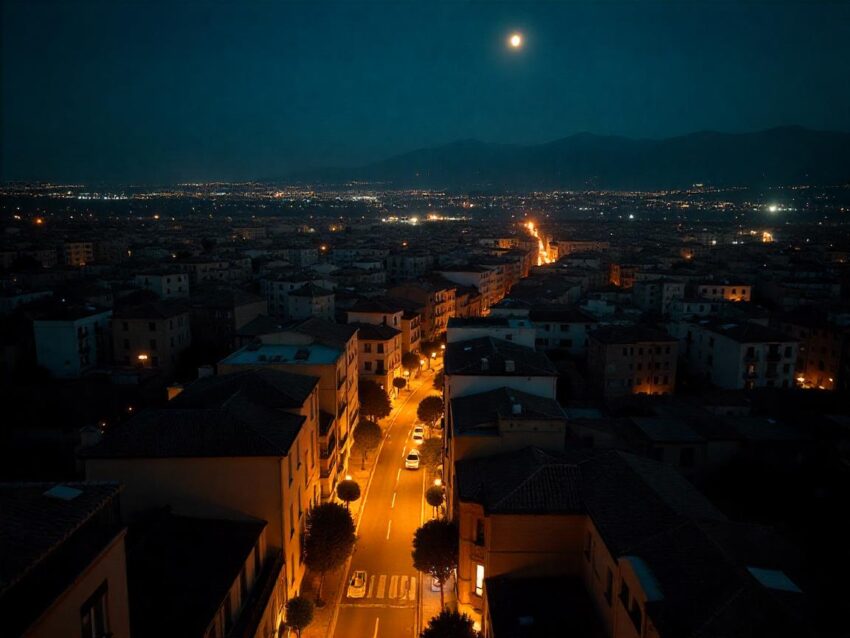 Image generated with Ai
Spain’s power grid crisis is spiraling out of control as blackout after blackout rattles the nation. Now, with Granada identified as ground zero, fears are escalating across Iberia. The Spain power grid crisis is no longer just a technical issue—it’s a full-blown emergency threatening the heart of Spain’s tourism, hospitality, and flight industries.
Travelers in Granada faced terrifying hours of darkness, while nearby hotels, airports, and train stations shut down without warning. Meanwhile, flights were delayed or canceled, and hospitality workers scrambled to protect guests amid the chaos. The blackout struck at the worst time—spring tourism was booming, and now uncertainty looms over summer.
Advertisement
Advertisement
As the Spain power grid crisis deepens, more cities are bracing for impact, while the entire Iberian travel sector teeters on the edge. This isn’t just a blackout—it’s a warning that Spain’s tourism, flights, and hospitality industries may face a long, uncertain recovery.
Spain’s bustling tourism economy faced an unexpected blow when a catastrophic power failure swept through the Iberian Peninsula on April 28, 2025. Now, more than two weeks later, the Spanish government has identified the blackout’s epicenter—Granada—sparking renewed fears about the stability of the nation’s energy infrastructure and the deepening crisis within the travel and tourism sectors of both Spain and Portugal.
Advertisement
Advertisement
The blackout wasn’t just a flicker. It was a full-blown collapse of grid connectivity that impacted millions. Hotels lost power. Flights were grounded. Train services came to a standstill. And tourism-dependent businesses were left scrambling in the dark—literally and economically.
Granada, Badajoz, and Seville: The Triangle of Grid Failure
According to new findings from Spain’s Ministry for Ecological Transition, power generation failures first erupted across three critical provinces: Granada, Badajoz, and Seville. However, the substation in Granada has been identified as ground zero. That facility’s breakdown triggered the loss of 2.2 gigawatts of electricity—enough to disconnect large portions of the national grid in seconds.
Advertisement
Advertisement
This domino effect cascaded through the Iberian power network, severing links between Spain and Portugal, as well as destabilizing the continental grid across Europe. The blackout paralyzed infrastructure and ignited emergency response efforts across airports, hotels, train terminals, and tourist hot spots.
Airport Operations and Airlines Thrown Into Turmoil
The travel ripple effects were immediate and far-reaching.
Spain’s largest international airports—Madrid Barajas (MAD), Barcelona El Prat (BCN), Seville (SVQ), and Málaga-Costa del Sol (AGP)—experienced abrupt systems shutdowns. Air traffic control networks were temporarily disabled. Boarding systems went offline. Travelers were stranded for hours as emergency lighting and backup systems struggled to keep terminals functioning.
In Portugal, Lisbon and Porto airports reported cascading effects from Spain’s grid failure, forcing reroutes and delays. Airlines like Iberia, Vueling, TAP Air Portugal, and Ryanair were forced to cancel or reschedule dozens of short-haul flights between major Iberian hubs.
Low-cost carriers suffered the worst operational bottlenecks. Budget travelers—many visiting Spain during spring break or shoulder season tours—found themselves stuck in terminals with limited assistance, compounding frustrations and creating viral moments of panic on social media.
Hotels Left Powerless: A Blow to Spain’s Tourism Engine
Spain’s hotels are world-renowned for their luxury, service, and architectural charm. But during the blackout, even five-star properties were plunged into darkness.
Advertisement
Advertisement
In Seville and Granada—two of Spain’s most visited cities—guests reported elevator malfunctions, air conditioning shutdowns, and digital room locks ceasing to function. Boutique hotels reliant on electronic booking systems were forced into manual check-ins or full guest evacuations.
Tour operators reported cancellations as travelers diverted plans to unaffected regions like northern Spain or the Canary Islands. The ripple effect jeopardized bookings for upcoming long weekends, further straining the hospitality sector.
Portugal’s Tourism Sector Also Suffers
Portugal, tethered to the Iberian energy grid, didn’t escape the chaos.
Lisbon, Porto, and the Algarve reported simultaneous blackouts. Key tourist neighborhoods—Alfama, Bairro Alto, and Ribeira—went dark. Restaurants were forced to close mid-service. Tram lines shut down. Tourists were left wandering unfamiliar streets at night without street lighting or mobile connectivity.
Local tourism authorities issued advisories and called for patience, but the damage to Portugal’s reputation as a safe, comfortable travel destination was already taking shape.
Ripple Effects Threaten Spain’s 2025 Tourism Goals
Spain had projected a record-breaking 2025, expecting over 85 million international visitors. The April blackout has now cast doubt on those ambitions.
Advertisement
Advertisement
With summer peak season just weeks away, the travel industry is grappling with growing consumer uncertainty. Travel forums are abuzz with questions about energy stability. Tourists are reconsidering plans. Tour operators are preparing contingency packages for last-minute diversions.
This single blackout may reshape travel strategies across the Iberian Peninsula.
Rail and Road Travel Disrupted
Spain’s iconic AVE high-speed rail network also experienced disruptions.
Several AVE trains between Madrid, Seville, and Málaga were halted mid-route due to signal losses and power outages. Commuter trains across Andalusia were delayed or canceled outright, with thousands of travelers left stranded in rural stations.
Roadways were equally affected as traffic lights and tunnel systems failed, creating gridlock in major cities. Rental car operators reported spikes in returns and refund requests as travel plans crumbled in real-time.
A Complex and Ongoing Investigation
Spain’s Ministry for Ecological Transition is spearheading a meticulous investigation. Minister Sara Aagesen confirmed that multiple hypotheses have been ruled out, including lack of grid backup or network size issues. Instead, early data suggests that oscillations in power and frequency—possibly related to European grid synchronization—played a key role.
Advertisement
Advertisement
Millions of data points are being analyzed, and investigators are working with European agencies to understand whether the blackout was purely technical—or potentially symptomatic of a larger, more fragile energy network under stress from rising tourism demand, heatwaves, and electrification efforts.
What Comes Next for Travelers and the Industry?
Tourists heading to Spain or Portugal in the coming months are advised to monitor government advisories and airline updates. Travel insurance policies may begin including blackout-related clauses. Tour operators are revisiting their regional itineraries, especially those that depend on local trains or boutique accommodations in blackout-prone zones.
Meanwhile, destination marketing organizations are launching campaigns to rebuild trust and confidence.
Spain’s tourism economy cannot afford another shock. Airlines, airports, and hospitality providers are upgrading their emergency systems and energy backups. Cities are investing in decentralized energy sources to protect core tourist infrastructure.
Travel With Caution, But Don’t Cancel Yet
The blackout of April 2025 may be remembered as a wake-up call—not just for Iberia’s energy sector, but for the entire travel ecosystem that depends on seamless infrastructure. As Granada, Seville, and Badajoz become focal points in this growing investigation, the rest of Spain and Portugal are taking steps to insulate themselves from future disruptions.
Travelers should stay informed. Industry players must stay agile. Because in an era of interconnected risk, tourism must prepare not only for storms and strikes—but now, for power grid collapse.
Advertisement
