
Waldorf Astoria Determines to Open for October-December Travellers with JW Marriott and Several Other Luxury Hotels Across Malaysia, Laos and More

Published
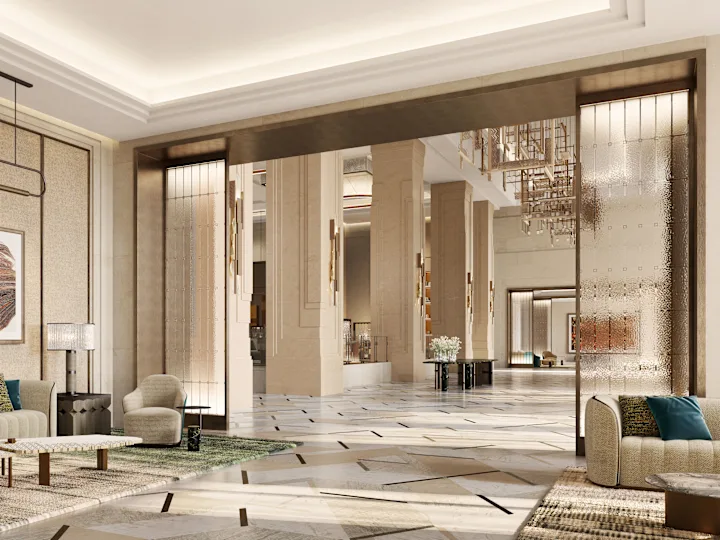
[Image: Waldorf Astoria Kuala Lumpur]
Malaysia joins Vietnam, Japan, Thailand and South Korea as five new hotels target December 2026 openings, promising remarkable hospitality experiences across Asia. Travellers could soon discover spectacular beachfront retreats, restored heritage landmarks and sophisticated urban escapes. Waldorf Astoria Kuala Lumpur is preparing its Malaysian debut. Park Hyatt Phu Quoc promises seaside luxury inspired by Vietnamese traditions. Japan’s Hotel The Mitsui Hakone brings premium resort hospitality. Bangkok’s historic Custom House anticipates a transformation under The Langham brand. Seoul’s Dongdaemun district also awaits fresh accommodation. Together, these developments signal intensifying competition as destinations seek affluent visitors, distinctive experiences and stronger tourism growth.
Advertisement
Advertisement
Major Asian Hotel Openings Targeted for October–December 2026
| Hotel | Country and city | Rooms | Main hospitality proposition |
| Waldorf Astoria Kuala Lumpur | Malaysia, Kuala Lumpur | 272 suites | All-suite luxury, Peacock Alley, multiple dining venues, personalised service and 4,250 sq m of event space |
| JW Marriott Johor Bahru | Malaysia, Johor Bahru | 410 | Upscale international hospitality and premium accommodation |
| Courtyard by Marriott Kuala Lumpur City Centre | Malaysia, Kuala Lumpur | 300 | Business and leisure accommodation in the capital |
| The Bertam, Tribute Portfolio | Malaysia, Penang | 283 | Independent-style hospitality within Marriott’s portfolio |
| Fairfield by Marriott Kota Kinabalu | Malaysia, Kota Kinabalu | 275 | Contemporary accommodation supporting Sabah tourism |
| La Résidence Phou Vao, Luxury Collection Resort & Spa | Laos, Luang Prabang | 41 | Boutique luxury resort and spa experience |
| Fairfield by Marriott Krabi Ao Nang Beach | Thailand, Krabi | 218 | Coastal holiday accommodation |
| Four Points by Sheraton Beach Resort Krabi Ao Nang | Thailand, Krabi | 176 | Beach resort hospitality |
| Marriott Executive Apartments Bangna Pride | Thailand, Bangkok | 130 | Extended-stay accommodation |
| Hoi An Marriott Resort & Spa | Vietnam, Hoi An | 281 | Resort accommodation and spa positioning |
| Jakarta Marriott Hotel Gelora | Indonesia, Jakarta | 235 | Full-service metropolitan hotel |
| Semarang Marriott Hotel | Indonesia, Semarang | 270 | International-brand hospitality |
| Courtyard by Marriott Medan | Indonesia, Medan | 191 | Business-focused hotel accommodation |
| Kyoto Marriott Hotel | Japan, Kyoto | 213 | Premium international accommodation |
| Okinawa Marriott Rizzan Resort & Spa | Japan, Okinawa | 829 | Large-scale island resort and spa |
| Courtyard by Marriott Kobe | Japan, Kobe | 381 | Urban accommodation |
| IJE Gyeongju, Design Hotels | South Korea, Gyeongju | 31 | Small-scale design-led hospitality |
| IJE Namhae, Design Hotels | South Korea, Namhae | 34 | Boutique design hotel |
How Is Malaysia Emerging as a Major Destination for International Hotel Expansion?
Malaysia occupies a prominent position in the selected hotel portfolio, with five properties representing different segments of the hospitality market. Kuala Lumpur, Johor Bahru, Penang and Kota Kinabalu are positioned to benefit from greater accommodation diversity, supporting business travel, urban tourism and regional leisure demand.
The Waldorf Astoria Kuala Lumpur stands out with 272 suites, personalised hospitality, multiple dining venues and approximately 4,250 square metres of event space. Its all-suite concept targets travellers seeking spacious accommodation and premium service.
Advertisement
Advertisement
Meanwhile, the 410-room JW Marriott Johor Bahru represents an important addition to the southern Malaysian hospitality market. The 300-room Courtyard by Marriott Kuala Lumpur City Centre strengthens the capital’s business and leisure accommodation offering.
Penang’s 283-room The Bertam, Tribute Portfolio introduces an independent-style hospitality proposition, while Fairfield by Marriott Kota Kinabalu adds 275 rooms to Sabah’s accommodation landscape. Together, these properties demonstrate Malaysia’s broad appeal across different travel segments.
Advertisement
Advertisement
Why Could Waldorf Astoria Kuala Lumpur Transform the City’s Luxury Hospitality Landscape?
The Waldorf Astoria Kuala Lumpur represents one of the most distinctive luxury propositions among the selected Asian properties. Its 272-suite configuration places emphasis on spacious accommodation rather than conventional hotel rooms, appealing to premium leisure travellers, corporate visitors and guests seeking personalised services.
Peacock Alley, a signature feature associated with the Waldorf Astoria brand, adds an established luxury hospitality identity. Multiple dining venues further support the property’s positioning as a destination for culinary experiences and social gatherings.
Its approximately 4,250 square metres of event space also creates opportunities for conferences, corporate meetings, weddings and private celebrations.
This combination of accommodation, dining and event facilities could strengthen Kuala Lumpur’s competitiveness in the premium hospitality segment. The property also illustrates a broader industry strategy in which luxury hotels increasingly combine overnight accommodation with dining, wellness, business events and personalised guest experiences to attract multiple customer segments.
What Makes Thailand’s Krabi and Bangkok Important Markets for New Hospitality Investment?
Thailand’s representation in the selected portfolio highlights two different hospitality priorities: coastal leisure tourism and extended-stay urban accommodation.
Krabi features two properties, the 218-room Fairfield by Marriott Krabi Ao Nang Beach and the 176-room Four Points by Sheraton Beach Resort Krabi Ao Nang. Both strengthen the destination’s international-brand accommodation offering, although they target potentially different traveller preferences.
Advertisement
Advertisement
Fairfield’s contemporary accommodation proposition can appeal to holidaymakers seeking practical comfort, while Four Points emphasises a beach resort experience.
Bangkok presents a different opportunity through Marriott Executive Apartments Bangna Pride, featuring 130 accommodation units. Its extended-stay concept addresses demand from corporate visitors, relocating professionals and travellers planning longer visits.
Together, these three properties demonstrate how Thailand’s hotel market extends beyond conventional short holidays. International operators are increasingly able to address different lengths of stay, travel purposes and service expectations within the same national market.
How Could Krabi’s Growing Hotel Portfolio Strengthen Thailand’s Coastal Tourism Appeal?
Krabi’s appeal rests on its distinctive combination of beaches, dramatic limestone landscapes, island excursions and outdoor recreation. Additional internationally branded accommodation could help the destination serve travellers seeking familiar hospitality standards alongside access to Thailand’s coastal attractions.
Fairfield by Marriott Krabi Ao Nang Beach brings 218 rooms into this segment, offering contemporary accommodation suited to leisure-focused visits. Four Points by Sheraton Beach Resort Krabi Ao Nang contributes another 176 rooms, with a stronger emphasis on beach resort hospitality.
The combined room inventory of these two properties totals 394, representing a meaningful accommodation proposition within the selected portfolio.
Advertisement
Advertisement
For visitors, greater hotel choice can make it easier to match accommodation with individual budgets, service preferences and holiday expectations.
For the local tourism economy, hotel operations can generate opportunities for hospitality employment, food suppliers, transport providers and excursion businesses. Actual economic benefits, however, will depend on occupancy, visitor spending and local procurement.
Why Is Indonesia Expanding International Hospitality Beyond Its Established Tourist Destinations?
Indonesia’s selected hotel portfolio places particular emphasis on major urban and regional commercial destinations rather than traditional island holiday markets.
Jakarta Marriott Hotel Gelora, with 235 rooms, represents a full-service metropolitan hospitality proposition. Its positioning reflects the importance of Indonesia’s capital as a centre for corporate travel, events and urban tourism.
The 270-room Semarang Marriott Hotel broadens international-brand accommodation in Central Java, while the 191-room Courtyard by Marriott Medan strengthens business-focused hospitality in North Sumatra.
These properties collectively account for 696 rooms, indicating a substantial presence across three distinct Indonesian cities.
Advertisement
Advertisement
Their geographic distribution demonstrates the potential for international hotel development beyond the country’s most internationally recognised leisure destinations.
For business travellers, additional internationally branded accommodation can offer greater consistency in service expectations. For regional destinations, the presence of recognised hospitality operators may also support corporate meetings, domestic tourism and stronger connections with international travel markets.
How Is Japan Combining Premium City Hotels With Large-Scale Island Resort Hospitality?
Japan’s three selected properties demonstrate a contrast between urban accommodation and destination-led resort hospitality.
The 213-room Kyoto Marriott Hotel introduces a premium international accommodation proposition in one of Japan’s most culturally significant cities. Kyoto’s historic temples, traditional architecture and established visitor appeal make it an important market for hospitality investment.
In Okinawa, the 829-room Okinawa Marriott Rizzan Resort & Spa represents a considerably larger operation. Its island resort and spa positioning targets leisure travellers interested in coastal recreation, relaxation and resort facilities.
Meanwhile, the 381-room Courtyard by Marriott Kobe addresses demand for urban accommodation in a major Japanese port city.
Advertisement
Advertisement
Together, these properties account for 1,423 rooms, the largest combined inventory among the countries represented by three or fewer hotels in the table.
The variation between Kyoto, Okinawa and Kobe demonstrates how Japan’s accommodation sector can serve cultural tourism, island holidays and business travel through different hospitality formats.
What Makes Okinawa Marriott Rizzan Resort & Spa a Standout Property in the Asian Portfolio?
With 829 rooms, Okinawa Marriott Rizzan Resort & Spa is the largest individual property in the selected portfolio by room count.
Its scale distinguishes it from smaller luxury hotels and boutique properties, providing capacity for a broad range of leisure travellers. The resort and spa positioning also reflects Okinawa’s established appeal as an island destination.
Large resort properties can support different travel patterns, including family holidays, group trips and longer leisure stays. Their accommodation capacity may also create opportunities to serve seasonal demand when visitor numbers increase.
However, operational success depends on more than room inventory. Guest satisfaction, service consistency, food and beverage quality, recreational facilities and efficient management remain essential.
Advertisement
Advertisement
For Okinawa, the property’s international hospitality positioning could complement the island’s natural attractions and established tourism infrastructure.
Its inclusion alongside smaller Japanese city hotels also illustrates how major hospitality brands can develop distinct accommodation propositions according to destination characteristics rather than applying a single hotel model across every market.
How Are Vietnam and Laos Strengthening Their Appeal Through Resort and Boutique Luxury Experiences?
Vietnam and Laos contribute two distinctive hospitality propositions to the selected Asian portfolio.
Hoi An Marriott Resort & Spa, featuring 281 rooms, strengthens Vietnam’s resort accommodation offering. Hoi An is internationally recognised for its historic townscape, cultural heritage and proximity to coastal attractions, creating opportunities for hospitality experiences that combine relaxation with cultural exploration.
In neighbouring Laos, La Résidence Phou Vao, Luxury Collection Resort & Spa offers a considerably more intimate proposition, with just 41 rooms.
Located in Luang Prabang, the property emphasises boutique luxury, resort hospitality and spa experiences.
Advertisement
Advertisement
The contrast between these properties demonstrates how Southeast Asian destinations can attract visitors through different accommodation models.
Vietnam’s larger resort proposition may appeal to travellers seeking extensive leisure facilities, while Laos offers a smaller-scale luxury experience suited to guests who value atmosphere, personalised attention and a quieter setting.
Both models can contribute to destination diversification and higher-value tourism opportunities.
Why Are South Korea’s Design-Led Boutique Hotels Attracting Attention?
South Korea’s representation in the portfolio is defined by smaller accommodation properties that emphasise design and individual character.
IJE Gyeongju, Design Hotels, features 31 rooms, while IJE Namhae, Design Hotels, offers 34 rooms. Their combined inventory of 65 rooms is considerably smaller than that of most other properties in the selection.
This limited scale reflects a different hospitality proposition, where architectural identity, interior design and carefully considered guest experiences can become central selling points.
Advertisement
Advertisement
Gyeongju’s cultural heritage creates a distinctive backdrop for design-led accommodation. Namhae, meanwhile, offers a coastal setting suited to travellers interested in quieter leisure experiences.
Such properties can appeal to visitors who prefer alternatives to conventional large hotels.
Their presence within an international hospitality portfolio also demonstrates growing recognition of independent-style accommodation. Rather than competing primarily through room numbers, boutique hotels can differentiate themselves through location, atmosphere, design and a stronger sense of place.
Asian hotels with December 2026 opening announcements
| Hotel and destination | Announced opening | Key accommodation and hospitality features |
| Conrad Kuala Lumpur, Malaysia | Mid-December 2026 | Luxury urban accommodation; Conrad brand debut in Malaysia |
| Park Hyatt Phu Quoc, Vietnam | December 2026 | First Park Hyatt resort in Vietnam; Vietnamese village-inspired design, residential atmosphere and seaside luxury |
| Hotel The Mitsui Hakone, Japan | December 2026 | 126 guestrooms; Luxury Collection positioning; premium resort and spa hospitality |
| The Langham, Custom House, Bangkok, Thailand | 20 December 2026, according to opening tracker | 75 rooms and suites; restored historic riverside Custom House, premium dining and Chuan Spa |
| Anook Edition Seoul Dongdaemun, South Korea | December 2026 | Urban accommodation in Seoul’s Dongdaemun area |
Asia’s hospitality industry is preparing for five notable hotel openings in December 2026, spanning Malaysia, Vietnam, Japan, Thailand and South Korea. These planned developments highlight growing interest in luxury accommodation, heritage restoration, premium resort experiences and contemporary urban hospitality.
Malaysia’s Conrad Kuala Lumpur, scheduled to open in mid-December, will mark the Conrad brand’s debut in the country. The property aims to strengthen Kuala Lumpur’s premium accommodation market by introducing another international luxury hospitality option for business and leisure travellers.
In Vietnam, Park Hyatt Phu Quoc is targeting a December opening, bringing the country’s first Park Hyatt resort to the island. Its Vietnamese village-inspired architecture, residential atmosphere and seaside luxury concept are designed to appeal to travellers seeking exclusive coastal experiences.
Advertisement
Advertisement
Japan’s Hotel The Mitsui Hakone is also scheduled for December 2026. Featuring 126 guestrooms, the property will combine Luxury Collection positioning with premium resort facilities and spa-focused hospitality, strengthening Hakone’s appeal among high-end leisure visitors.
Meanwhile, The Langham, Custom House, Bangkok, is listed by an opening tracker for 20 December 2026. The 75-room-and-suite property will transform a historic riverside Custom House into a luxury hospitality destination featuring premium dining and Chuan Spa.
In South Korea, Anook Edition Seoul Dongdaemun is expected to introduce additional urban accommodation in one of Seoul’s prominent commercial and shopping districts.
Collectively, these anticipated openings demonstrate Asia’s increasingly diversified hospitality landscape, where historic architecture, distinctive design, wellness facilities and destination-specific experiences are becoming important competitive advantages.
What Does This Asian Hotel Portfolio Reveal About the Future of Regional Hospitality?
The selected portfolio comprises 18 properties across Malaysia, Laos, Thailand, Vietnam, Indonesia, Japan and South Korea, representing seven countries and approximately 4,580 rooms and suites.
Malaysia leads by property count, while Japan contributes the largest room inventory. The selection includes luxury suites, extended-stay apartments, urban business hotels, coastal resorts and design-led boutique accommodation.
Advertisement
Advertisement
This diversity reflects an important shift in hospitality development. International operators are addressing increasingly varied travel needs rather than concentrating exclusively on traditional luxury or business hotel formats.
However, the properties should not automatically be treated as confirmed December 2026 openings. Individual opening dates, operating status and development schedules require separate verification.
For travellers, the portfolio indicates a wider range of potential accommodation choices. For destinations, it highlights opportunities to strengthen visitor services, employment and tourism infrastructure.
Ultimately, the commercial impact of these properties will depend on actual openings, market demand, operational performance and their ability to deliver the hospitality experiences they promise.
Asia’s anticipated December hotel openings could reshape luxury travel choices across five increasingly competitive destinations. Rising expectations for personalised service, cultural authenticity and premium accommodation are encouraging hospitality brands to diversify their offerings. Malaysia strengthens its international luxury presence, while Vietnam expands exclusive island tourism. Japan emphasises wellness and refined resort experiences. Thailand combines architectural heritage with contemporary indulgence, and South Korea reinforces its urban accommodation market. Although opening schedules remain subject to confirmation, these developments highlight a clear direction. Travellers increasingly seek memorable stays, while destinations recognise that distinctive hospitality experiences can support tourism competitiveness and long-term economic opportunities.
Advertisement
