
Sri Lanka’s Historic Duty‑Free Shopping Overhaul at Colombo Port City Unleashes New Retail Access for Citizens and Tourists

Published
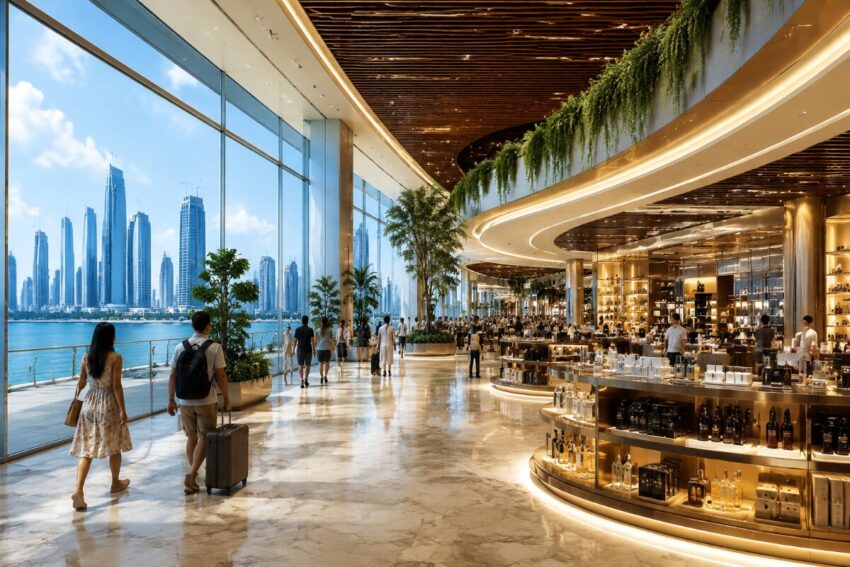 Image generated with Ai
Sri Lanka has enacted a major regulatory reform that fundamentally changes duty‑free shopping rules at Colombo Port City, expanding access and strengthening the retail environment in one of the nation’s most important economic zones. The changes, introduced under regulations issued pursuant to the Colombo Port City Economic Commission Act, No. 11 of 2021, represent a deliberate shift by the Government of Sri Lanka to make duty‑free retail more commercially viable, broaden consumer participation, and align the duty‑free framework with broader economic objectives.
Official Regulatory Reform Under the Colombo Port City Economic Commission
The Colombo Port City Economic Commission (CPCEC) is the central authority empowered by the Government of Sri Lanka to regulate and administer economic activity within the Port City Colombo Special Economic Zone. This framework was established under the Colombo Port City Economic Commission Act, which provides the Commission with authority to issue regulations, manage business access, and facilitate investment and commercial activity in the area.
In early 2026, new duty‑free shopping regulations were officially published via Gazette No. 2475/28 dated 13 February 2026. These regulations were reviewed and approved by the Committee on Public Finance (CoPF) and formally ratified as part of the regulatory framework governing Colombo Port City.
The measures are part of a broader regulatory toolkit designed to stimulate economic activity, attract investment, and build the retail and tourism ecosystem within Colombo Port City — a multi‑billion‑dollar Special Economic Zone developed as a global business and lifestyle hub.
Advertisement
Advertisement
Expanded Duty‑Free Shopping Access for Sri Lankan Citizens and Residents
One of the most consequential aspects of the regulatory update is the expansion of duty‑free shopping access for Sri Lankan citizens and residents. Previously, local consumers faced restrictions on how often they could purchase goods at duty‑free shopping complexes within Colombo Port City. The new regulations now allow citizens and residents to engage in duty‑free shopping after each overseas arrival, rather than once annually. This marks a significant liberalisation of access compared with historical duty‑free limits.
In addition to increased frequency, the rule revisions permit travellers to visit duty‑free retail outlets twice within four days of arriving in Sri Lanka. This change creates greater flexibility for shoppers and is expected to boost footfall and participation in duty‑free retail operations within the Port City zone.
Advertisement
Advertisement
Importantly, although access has expanded, the annual duty‑free purchase allowance remains unchanged at US$2,000 per arriving passenger. This ensures duty‑free entitlements remain balanced with broader customs and tax policy objectives.
Strategic Objectives Behind the Duty‑Free Rule Changes
The duty‑free regulatory overhaul aligns with multiple official objectives articulated by Sri Lanka’s government and economic planners:
Advertisement
Advertisement
1. Commercial Viability and Retail Expansion:
Local participation in duty‑free shopping was historically limited by access rules focused primarily on international visitors. With tourist arrivals to Port City duty‑free outlets constituting a relatively small proportion of overall foreign visitors, expanding local eligibility helps firms operating duty‑free complexes build sustainable revenue.
2. Economic Activity and Consumer Spending:
By allowing more frequent duty‑free visits and expanding the customer base, regulators intend to stimulate retail activity in Colombo Port City. Increased consumer spending within the zone can create secondary economic benefits, including jobs, commercial rents, and ancillary services tied to retail operations.
3. Regulatory Alignment with SEZ Goals:
The Colombo Port City Special Economic Zone is designed to attract investment, enhance international commerce, and build a modern commercial hub in South Asia. Duty‑free retail liberalisation under the CPCEC’s regulatory framework reinforces the zone’s role as a dynamic centre for global business and tourism activity.
Colombo Port City Economic Commission’s Legal Role
The Colombo Port City Economic Commission serves as the regulatory backbone for Colombo Port City’s economic framework. As the single‑window facilitator for investment and business operations, the Commission issues licences, authorisations, and development control regulations to ensure orderly economic growth.
Advertisement
Advertisement
Under the CPCEC’s governing authority, the duty‑free rule changes fall within the Commission’s mandate to develop community rules, enforce regulatory standards, and support the economic agenda set by the Government of Sri Lanka.
This institutional framework is vital for managing the complex interplay between fiscal incentives, regulatory oversight, and commercial operations within the Port City’s legal jurisdiction. It reflects the government’s intention to ensure a predictable and transparent environment for both domestic and foreign entities doing business within the SEZ.
Implications for Duty‑Free Retailers and the Broader Economy
Although the duty‑free regulation changes apply at the policy level, their practical implications are far‑reaching:
Retailer Growth Trajectory:
Duty‑free retailers within Colombo Port City now operate under a more inclusive consumer access model. Increased eligibility for local shoppers is likely to drive greater revenue opportunities and potentially attract additional investment in retail infrastructure and offerings.
Increased Consumer Engagement:
Sri Lankan consumers who travel internationally can now more frequently benefit from duty‑free price advantages, potentially increasing purchases of high‑value items. With two‑visit privileges within four days of arrival, domestic shoppers have greater flexibility to engage with retailers without additional barriers.
Tourism Synergies:
Although foreign tourist arrivals continue to play a role in duty‑free retail, integrating local demand into the retail ecosystem helps bridge gaps in consumer traffic where tourist volumes may fluctuate. This positions Colombo Port City not only as a destination for foreigners but also as a dynamic shopping locale for Sri Lankan residents.
Advertisement
Advertisement
Broader Economic Impact:
Retail expansion within Colombo Port City supports downstream economic activity across logistics, services, and hospitality sectors anchored to increased footfall and spending. Enhanced duty‑free accessibility can contribute to the broader vision of Colombo Port City as a regional business and lifestyle hub.
Framework for Sustainable Duty‑Free Regulation
The duty‑free rule changes at Colombo Port City reflect a balance between regulatory oversight and commercial freedom. While access has been liberalised, key elements such as the annual duty‑free value limitation remain in place. This ensures regulatory control over exemptions and maintains alignment with national customs policy.
Additionally, the CPCEC continues to monitor compliance and adherence to the legal framework governing retail operations within the SEZ. The Commission’s broader regulatory tools are designed to safeguard against revenue leakages and unauthorised trade activity, ensuring that the duty‑free regime supports legitimate economic growth.
Conclusion: Transforming Duty‑Free Retail in Sri Lanka
Through official regulatory reforms enacted under the Colombo Port City Economic Commission Act, the Government of Sri Lanka has significantly broadened duty‑free shopping access at Colombo Port City. The updated rules expand local consumer participation, allow multiple duty‑free visits after international travel, and create a more flexible and commercially attractive retail environment within the Special Economic Zone.
As Colombo Port City continues to develop as a major economic node in South Asia, duty‑free retail liberalisation stands as a strategic policy lever that aligns consumer access with broader economic development goals. By integrating these regulatory changes within the CPCEC’s governance framework, Sri Lanka strengthens the duty‑free shopping ecosystem and supports long‑term growth, investment, and commercial vitality in one of its most ambitious urban economic projects.
Advertisement
