
Greece Aligns With Hungary And More 42 Countries Across Europe In New Facial Photograph Rules As Longer Border Waits Affect Travellers

Published
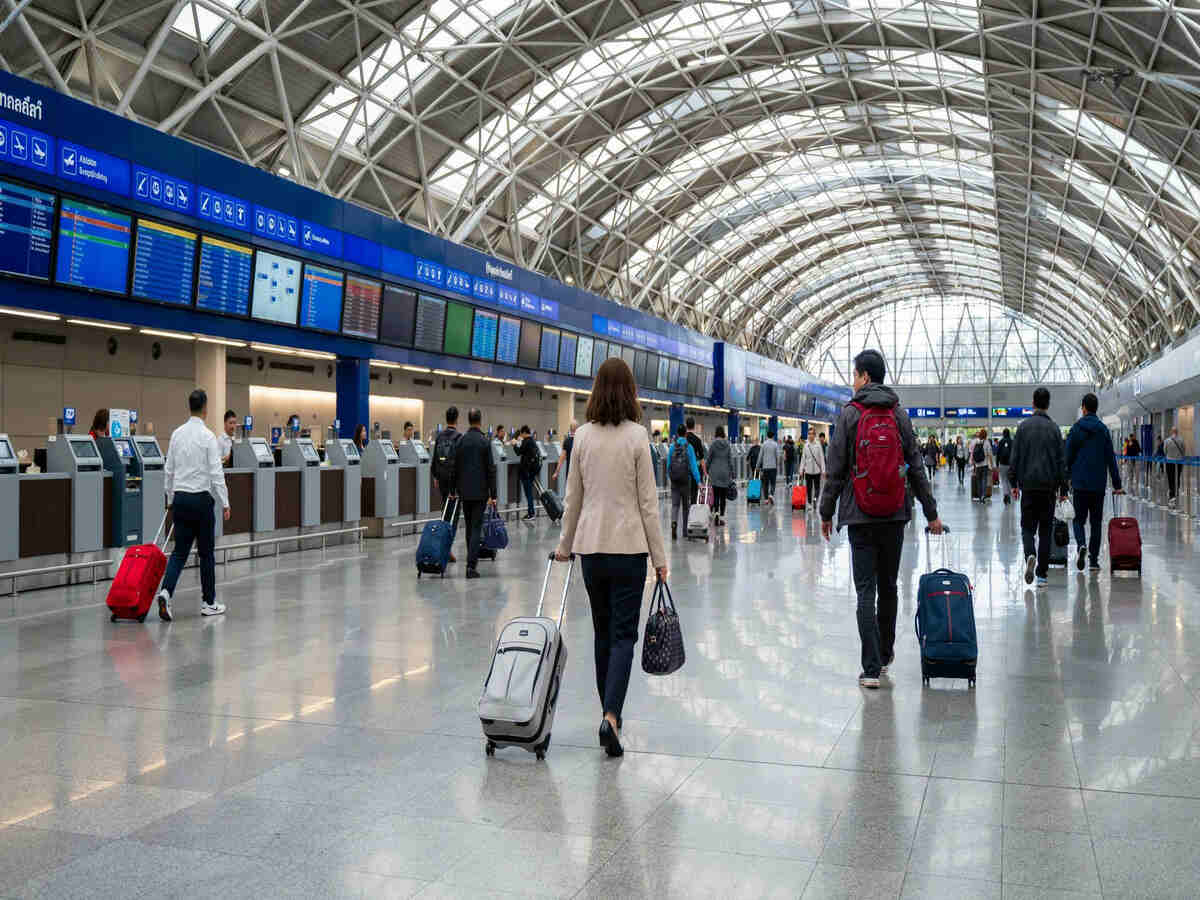
Image generated with Ai
Greece and 42 other European nations implement facial scanning as part of the new regulations for tourists. Travel in Europe is moving into a new age of digitalization as nations such as Greece and Hungary and other countries within the Schengen Zone introduce new biometric regulations that necessitate many tourists from outside the EU to present a facial photograph as well as fingerprint records while entering the continent.
The European Union’s Entry/Exit System (EES) changes the way millions of international visitors experience border controls. Tourists travelling to Schengen countries may now need to complete biometric registration at airports, ports, railway stations and land borders. While the system aims to improve border management, travellers are being advised to prepare for possible longer waiting times during the registration process.
Advertisement
Advertisement
Europe Introduces Digital Border Checks As Tourist Travel Rules Change
The new facial photograph rule applies to eligible non-EU nationals travelling to the Schengen Area for short stays. Instead of receiving a traditional passport stamp, visitors will have their travel information recorded digitally through the EES system.
The digital record includes important traveller information such as passport details, entry and exit dates, facial photographs and fingerprints. The system will help border authorities track whether visitors follow the permitted stay limit of 90 days within any 180-day period.
Advertisement
Advertisement
For tourists, the biggest change is that the arrival process will no longer be completed only through a passport check. Travellers may need to stop at dedicated kiosks or border control points where their biometric information is collected.
Advertisement
Advertisement
The European border change affects tourism markets worldwide because millions of visitors from countries outside the EU travel to Europe every year for holidays, business trips, family visits and cultural experiences.
Greece Joins Wider European Shift Towards Facial Photograph Border Registration
Greece is among the major European tourism destinations adopting the new digital border system. The country welcomes millions of international visitors every year through airports, cruise ports and land crossings.
Under the new rules, eligible non-EU tourists arriving in Greece may need to provide a facial photograph and fingerprints during their first registration. The digital process will become part of normal border procedures for travellers entering and leaving the Schengen Area.
Advertisement
Advertisement
The change is expected to influence popular Greek destinations such as Athens, Santorini, Mykonos, Crete and other island regions because these locations receive high volumes of international tourists.
Tourists visiting Greece should allow additional time at border control, especially during busy holiday periods when airports and ports experience higher passenger numbers.
Advertisement
Advertisement
Hungary And Other Schengen Countries Adopt New Tourist Biometric Rules
Hungary is also part of the wider European implementation of the EES system. Travellers entering Hungary from outside the Schengen Area may need to complete biometric checks through facial photograph and fingerprint registration.
The introduction of these procedures reflects a wider European approach to strengthening border management while creating a unified digital system across Schengen countries.
The rule is not limited to Greece and Hungary. It applies across the Schengen Area, meaning tourists visiting multiple European countries during one trip may encounter the same digital border process at their first entry point and when leaving the region.
Schengen Countries Introducing New Facial Photograph Rules For Tourists
The following countries are applying the new EES border registration process for eligible non-EU travellers:
| Country | New Travel Rule For Tourists |
|---|---|
| Austria | Tourists may need to provide facial photographs and fingerprints when entering or leaving Schengen borders |
| Belgium | Digital traveller records replace traditional passport stamping |
| Bulgaria | Non-EU visitors entering through external borders may complete biometric registration |
| Croatia | Tourists may need facial photograph and fingerprint checks during border processing |
| Czechia | New digital entry records are created for eligible visitors |
| Denmark | Biometric border checks introduced for non-EU short-stay travellers |
| Estonia | Visitors may need facial image and fingerprint registration |
| Finland | Digital border procedures replace manual passport stamps |
| France | Tourists may complete biometric checks at airports, ports and rail entry points |
| Germany | Non-EU travellers undergo digital registration through EES procedures |
| Greece | Visitors may need facial photographs and fingerprints at border control |
| Hungary | Tourists entering from outside Schengen may complete biometric registration |
| Iceland | Schengen visitors follow new digital border registration procedures |
| Italy | International tourists may provide facial photographs and fingerprints |
| Latvia | Digital entry and exit records introduced for eligible visitors |
| Liechtenstein | New biometric travel records apply for non-EU travellers |
| Lithuania | Tourist border checks include digital biometric registration |
| Luxembourg | Visitors may complete facial photograph and fingerprint checks |
| Malta | International tourists may need biometric registration at entry points |
| Netherlands | Border procedures move towards digital traveller records |
| Norway | Non-EU visitors follow EES requirements at external borders |
| Poland | Tourists may need biometric registration when entering Schengen |
| Portugal | Visitors experience new digital entry and exit procedures |
| Romania | Newly included Schengen border checks require digital registration |
| Slovakia | Tourist arrivals may involve facial photograph and fingerprint checks |
| Slovenia | Eligible travellers complete electronic border records |
| Spain | Tourists may face biometric checks at major airports and ports |
| Sweden | Digital registration replaces manual passport stamping |
| Switzerland | Non-EU visitors follow EES procedures despite Switzerland not being an EU member |
Longer Waiting Times Expected As New Border System Begins
The biggest immediate impact for travellers is the possibility of longer waiting times at European borders.
Advertisement
Advertisement
During the first visit after the system begins, tourists may need extra time to complete registration. The process can involve passport scanning, fingerprint collection and facial photograph capture.
Airports, ferry terminals and railway stations could experience longer queues, particularly during:
- Summer holiday seasons
- Christmas travel periods
- Major European festivals
- Peak arrival and departure hours
Travellers connecting through busy European hubs may need to consider additional time between flights or transport connections.
Major tourism gateways including Athens, Paris, Rome, Madrid, Frankfurt, Amsterdam and Barcelona could see increased passenger processing requirements because of their high international visitor numbers.
How The New Facial Photograph Rule Will Affect Tourists
The new biometric system will create several changes for travellers visiting Europe.
Advertisement
Advertisement
More Time Needed At Border Control
Visitors should expect border checks to take longer compared with previous passport stamping procedures. The additional steps required for biometric registration may increase processing time.
First-Time Visitors May Experience The Biggest Change
Tourists entering the Schengen Area for the first time after implementation may need to complete full biometric registration.
Repeat visitors with an existing digital record may experience a different process depending on their circumstances and border requirements.
Travel Planning Becomes More Important
Tourists should avoid arriving at the last minute for flights, trains or cruise departures. Additional time at immigration control may become an important part of travel planning.
Cruise Passengers May Also Be Affected
Cruise travellers may have different requirements depending on their itinerary.
Advertisement
Advertisement
Passengers travelling on cruises that begin and end outside the Schengen Area may usually avoid EES checks for short shore visits. However, passengers entering or leaving the Schengen Area through cruise ports may need to complete registration.
Europe Travel Advice For Tourists Before Departure
Travellers visiting Schengen countries should prepare for the new digital border environment.
Important steps include:
- Carry a valid passport
- Check entry requirements before travelling
- Arrive earlier at airports and ports
- Follow instructions from airlines and transport operators
- Keep travel documents easily available
- Understand the 90-day Schengen stay limit
Tourists do not need to complete EES registration before travelling. The process takes place at the border during arrival or departure procedures.
ETIAS Will Bring Another Change For Europe Travel
The EES system is only one part of Europe’s wider border modernisation programme. The European Union is also preparing the European Travel Information and Authorisation System (ETIAS).
Advertisement
Advertisement
ETIAS will introduce a pre-travel authorisation requirement for eligible visa-exempt visitors. Unlike EES, which happens at the border, ETIAS will need to be completed before travelling.
When introduced, travellers will need to submit personal details, travel information and security-related information through an online application process.
Digital Transformation Reshapes The Future Of European Tourism
The introduction of facial photograph checks across Greece, Hungary and other Schengen countries represents a major transformation in how international visitors enter Europe.
The new system is expected to improve border security, create more accurate travel records and support modern immigration management. However, for tourists, the immediate change will be adapting to new procedures and allowing extra time during border crossings.
The introduction of facial photograph checks in Greece, Hungary and other countries in Europe is increasing the waiting times at borders for tourists.
As Europe moves forward with digital travel management, it will be necessary for tourists to get used to biometric checks as an integral aspect of international travel. The move from the physical stamps on passports to digital verification is a major turning point in world tourism.
Advertisement
