
Sustainable Tourism In The Cook Islands: A Move To Preserve Natural Beauty

Published
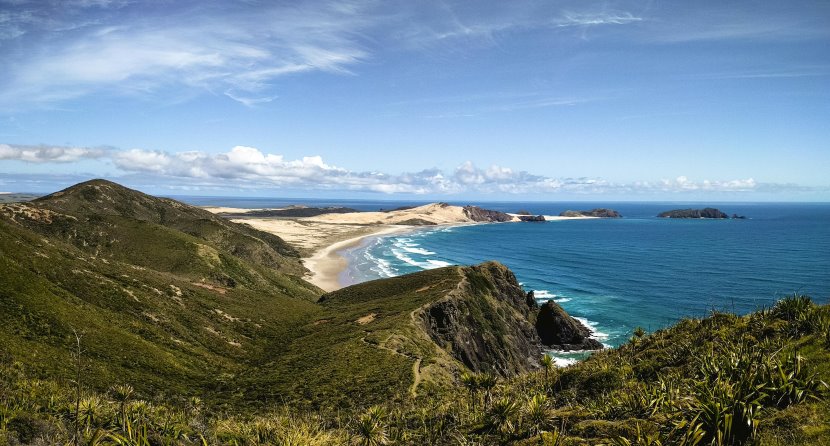 Image generated with Ai
Located in the South Pacific Ocean, The Cook Islands have become a model for sustainable tourism. Unlike many tourist destinations, where one can find new hotels, packed marketplaces, and a neglected environment, this faraway Pacific chain has focused on finding a balance between drawing in tourists and preserving its pristine natural beauty, offering a powerful model for other destinations. The Cook Islands show that sustainable tourism does not have to come at the cost of overdevelopment or environmental harm.
A Unique Approach to Tourism Development
The Cook Islands, which are a self-governing territory in free association with New Zealand, are known for their idyllic beaches, lush landscapes, and rich cultural heritage. Despite being a top tourist destination, the islands have avoided the over-commercialization commonly seen in popular tourist spots. Unlike many destinations where neon signs and towering hotels dominate the landscape, the Cook Islands have maintained their natural charm by enforcing a strict policy on building heights. Introduced in 1965 by the island’s first premier, the law forbids any building taller than a coconut tree. This decision was made to preserve the stunning vistas and prevent overdevelopment, ensuring that the environment remains unspoiled for both residents and visitors alike.
The commitment to low-impact tourism is deeply embedded in the culture of the Cook Islands. With a focus on sustainability, local officials have designed policies to protect the land and its natural resources while welcoming international travellers. Visitors are drawn to the islands because of their untouched beauty, and efforts to keep the islands free from the typical commercial exploitation associated with high-volume tourism have been met with widespread approval. This approach is not just about protecting the environment but also about creating a sense of stewardship that runs deep within the community.
Advertisement
Advertisement
The Mana Tiaki Principle: Guardianship and Sustainability
The guiding philosophy in the Cook Islands is the principle of Mana Tiaki, which translates to “guardianship with a sacred purpose.” This principle is woven into every aspect of life on the islands, influencing not only the way tourism is managed but also the practices surrounding daily life. The local population is dedicated to maintaining harmony with the natural environment, a responsibility that goes beyond tourism. From sustainable fishing practices to careful land management, Mana Tiaki plays a critical role in how the people of the Cook Islands interact with their surroundings.
Advertisement
Advertisement
Sustainable fishing is one example of how Mana Tiaki influences the local economy. Islanders practice a rotational fishing system, ensuring that no area is overfished and that fish stocks remain abundant for future generations. They fish only for what is needed, leaving enough to sustain the ecosystem and avoid depleting the natural resources. This approach ensures that both the local population and the tourism sector can continue to rely on the sea’s bounty, which is integral to the Cook Islands’ identity and way of life.
Low-Impact, High-Quality Tourism: The Economic Benefits
While tourism is a major driver of the economy in the Cook Islands, the government and local authorities have been careful not to allow the industry to grow unchecked. By focusing on low-impact tourism, they have ensured that the islands’ natural beauty remains a key draw for tourists without damaging the environment. This commitment has had significant positive economic outcomes. Tourists flock to the Cook Islands not only for its picture-perfect beaches but also for its sustainable and eco-conscious tourism offerings.
Tourism accounts for a substantial portion of the Cook Islands’ GDP, but local leaders have made it clear that economic growth should not come at the expense of their natural heritage. In fact, sustainable tourism practices help bolster the region’s economy by attracting travellers who are eager to support environmentally responsible destinations. By offering unique experiences—such as eco-friendly resorts, nature-based tours, and culturally immersive activities—the Cook Islands have positioned themselves as an exclusive, high-end destination for responsible travellers.
Moreover, the principles of Mana Tiaki have helped the Cook Islands build a reputation for sustainability that appeals to tourists who are increasingly seeking destinations that prioritize environmental stewardship. This trend is reflected in a broader global shift towards eco-tourism, with more travellers opting for locations that align with their values around sustainability and responsible tourism.
Protecting Paradise: How the Cook Islands’ Model Can Inspire Other Destinations
Advertisement
Advertisement
The Cook Islands’ success in maintaining a delicate balance between tourism and environmental preservation can serve as a model for other destinations. With the global tourism industry increasingly under pressure to adopt more sustainable practices, the Cook Islands show that it is possible to develop a thriving tourism economy without sacrificing environmental integrity. By placing the well-being of the land and ocean at the forefront of tourism development, the Cook Islands have not only protected their unique natural resources but also ensured that tourism will continue to be a source of prosperity for generations to come.
The careful approach taken by the Cook Islands offers valuable lessons for other regions, particularly those in the Pacific and other remote locations that are facing growing pressure from the tourism industry. It demonstrates that it is possible to offer tourists a chance to explore pristine environments while still preserving the ecological and cultural heritage of the destination. As the demand for sustainable travel experiences grows, more destinations could adopt the Cook Islands’ approach, helping to safeguard the environment while fostering economic development.
A Future of Sustainable Growth
The Cook Islands showcase how tourism and environmental safeguards can go hand in hand. The islands have established a model for sustainable tourism which balances economic development and environmental protection mostly because for Mana Tiaki principles and limits to overdevelopment. The Cook Islands eco-tourism leadership has been looked up to by travellers all over the world.
As international trends in tourism change, the Cook Islands will continue being a focus for showcasing their sustainable approaches to tourism. It is certain that taking care of the land and the ocean, locals and travellers will continue to enjoy the islands for many years to come.
Advertisement
