
Finland Teams Up With Germany, Italy, Hungary, Ireland And Twenty One Countries As EASA Raises A Red-Flag Aviation Warning For UAE, Qatar, Bahrain, Kuwait And Gulf Of Oman Routes Following Escalating US–Iran Strikes, Drone Threats And Growing Passenger Safety Risks

Updated
Published
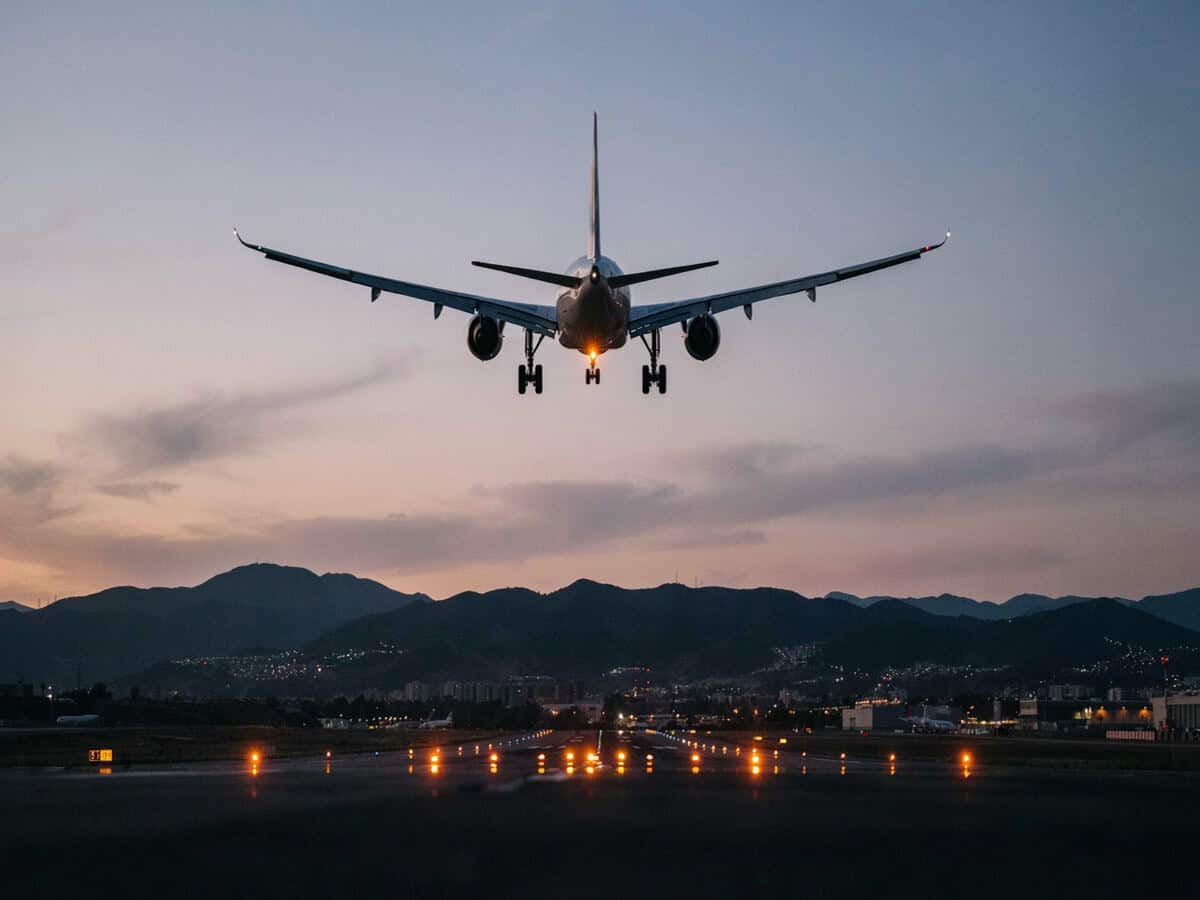
Finland, Germany, Italy, Hungary, Ireland and twenty one other European nations have united under the European Union Aviation Safety Agency (EASA) framework to issue a major Gulf aviation warning after renewed US–Iran cross-border strikes intensified security concerns across the Middle East, forcing airlines to avoid sensitive airspace over the UAE, Qatar, Bahrain and Kuwait while raising fresh fears over flight disruptions, longer routes and passenger safety. The new EASA Conflict Zone Information Bulletin (CZIB-2026-07), issued on 14 July 2026, highlights growing risks from missile launches, drone activity, military operations and possible aircraft misidentification, covering not only national airspaces but also parts of the Gulf of Oman as European regulators urge airlines and travellers to remain alert during one of the most challenging aviation security periods in the region.
Finland, Germany, Italy, Hungary, Ireland and twenty one other European nations are standing behind a major aviation safety framework as the European Union Aviation Safety Agency (EASA) issues a renewed warning over Gulf airspace risks following escalating US–Iran military tensions. The latest Conflict Zone Information Bulletin (CZIB-2026-07) has placed the airspace of the United Arab Emirates, Qatar, Bahrain and Kuwait, along with selected areas of the Gulf of Oman, under a high-risk aviation advisory until 29 July 2026 unless the situation changes earlier.
The advisory has created fresh concerns for international travellers, airlines and aviation authorities as the Middle East remains one of the world’s most important aviation crossroads. Millions of passengers rely on Gulf hubs every year for connections between Europe, Asia, Africa and North America.
Although the EASA warning does not represent an official closure of Gulf airspace, it has forced airlines operating under European regulations to reassess routes, increase safety planning and avoid areas considered vulnerable during the ongoing military confrontation.
Advertisement
Advertisement
The warning comes after a rapid deterioration in regional security following the collapse of a temporary US–Iran ceasefire. Renewed missile launches, drone activity, military movements and air defence operations have increased concerns that civilian aircraft could face accidental risks while operating near conflict zones.
EASA Advisory Brings Thirty One European Aviation Partners Together For Passenger Safety
The European Union Aviation Safety Agency represents a combined aviation safety system involving thirty one European countries. This includes all twenty seven European Union member states and four associated EFTA countries.
Advertisement
Advertisement
The twenty seven EU countries covered under the EASA framework include:
- Austria
- Belgium
- Bulgaria
- Croatia
- Cyprus
- Czech Republic
- Denmark
- Estonia
- Finland
- France
- Germany
- Greece
- Hungary
- Ireland
- Italy
- Latvia
- Lithuania
- Luxembourg
- Malta
- Netherlands
- Poland
- Portugal
- Romania
- Slovakia
- Slovenia
- Spain
- Sweden
The four additional EASA member countries are:
- Iceland
- Liechtenstein
- Norway
- Switzerland
Through this combined aviation structure, EASA creates common safety standards and provides risk assessments that influence airlines operating across Europe and international carriers connected with European aviation networks.
The latest Gulf warning affects European airlines including major international operators such as Air France, Lufthansa and KLM, along with non-European airlines that hold EASA authorisation to operate flights to, from or within the European Union.
UAE, Qatar, Bahrain And Kuwait Enter Aviation Pressure Zone After US–Iran Escalation
The renewed military confrontation has placed several major Gulf aviation centres under increased pressure.
The countries specifically included in the EASA airspace avoidance advisory are:
Advertisement
Advertisement
United Arab Emirates
The UAE remains one of the world’s largest aviation gateways, with Dubai International Airport and Abu Dhabi International Airport connecting millions of passengers every year.
However, the country’s strategic location in the Gulf means that rising regional tensions have created additional aviation challenges. The presence of military activity, increased air defence readiness and potential drone threats have forced airlines to carefully evaluate flight routes.
The advisory does not mean UAE airports are closed. Flights continue operating, but airlines may need to adjust routes around sensitive areas, increasing journey times and operational costs.
Possible impacts include:
- Longer flight paths
- Increased fuel requirements
- Possible schedule changes
- Passenger uncertainty
- Additional operational planning
For travellers, the situation means checking airline updates before departure has become more important than ever.
Qatar
Qatar has emerged as a global aviation powerhouse through Hamad International Airport and Qatar Airways’ worldwide network.
Advertisement
Advertisement
The country’s position as a major international transit hub makes airspace stability extremely important. Thousands of passengers connect through Doha every day while travelling between Europe, Asia, Africa and the Americas.
However, renewed US–Iran tensions have increased concerns because military activity in the wider Gulf region could affect flight operations.
Potential consequences for Qatar aviation include:
- Route adjustments
- Longer connection times
- Possible delays
- Increased security monitoring
Despite the challenges, Qatar’s aviation sector continues operating while authorities and airlines closely monitor developments.
Bahrain
Bahrain has become another focus point because of its strategic military and geographic importance in the Gulf.
The country hosts significant international military activity, making it a sensitive location during periods of regional confrontation.
Advertisement
Advertisement
Any escalation involving missile or drone activity could affect aviation confidence and create additional pressure on Bahrain International Airport operations.
The main concerns include:
- Potential airspace restrictions
- Flight planning changes
- Increased security measures
- Passenger concerns about regional connectivity
Kuwait
Kuwait has also been included in the EASA advisory due to its proximity to areas affected by increased military activity.
The country plays an important role in regional aviation and business connectivity. However, rising tensions have created uncertainty for airlines operating through Kuwait International Airport.
Possible effects include:
- Temporary route changes
- Longer flights
- Operational disruptions
- Passenger concerns
Airlines continue reviewing conditions while prioritising safety.
Advertisement
Advertisement
Gulf Of Oman Added To Warning As Maritime Aviation Routes Face New Risks
Beyond the four national airspaces, EASA has also included designated maritime airspace over the western Gulf of Oman.
The affected area falls within the Muscat Flight Information Region west of longitude 58°E.
This region is strategically important because it connects aviation routes between the Gulf region, South Asia and international markets.
The warning highlights concerns about:
- Missile activity
- Drone operations
- Military movements
- Potential aircraft identification errors
The Gulf of Oman and the nearby Strait of Hormuz remain critical global transportation zones, carrying significant energy and commercial traffic.
Any instability in this region could influence aviation, shipping and global economic confidence.
Advertisement
Advertisement
Why EASA Warned Airlines About Missile, Drone And Identification Risks
EASA highlighted three major aviation threats linked to the current security environment.
Increased Missile And Drone Activity
Modern conflicts increasingly involve unmanned aircraft and long-range missile systems. These weapons create unpredictable risks for commercial aviation, especially when operating near active military zones.
Presence Of Major Military Assets
Large military operations can create complex airspace environments where civilian and military movements occur close together.
Risk Of Aircraft Misidentification
During periods of conflict, military forces may operate under heightened alert conditions. This increases concerns that civilian aircraft could potentially be wrongly identified during fast-moving situations.
EASA warned that the unpredictable and rapidly changing nature of military activity makes effective airspace management increasingly challenging.
EASA Warning Is Not A Gulf Airspace Closure But A Strong Safety Message
One of the most important points for travellers is that the EASA advisory is a safety recommendation, not a mandatory closure imposed by Gulf aviation authorities.
Advertisement
Advertisement
Airports across the UAE, Qatar, Bahrain and Kuwait remain operational.
However, airlines affected by EASA guidance must consider the recommendation when planning flights.
Carriers may decide to:
- Avoid certain routes
- Fly longer alternative paths
- Adjust schedules
- Increase fuel planning
- Review operational risks
This creates potential disruption even when airports remain open.
UK And Australia Also Increase Passenger Warnings Across Middle East
The aviation concerns have also resulted in updated government travel advice.
The United Kingdom updated guidance for several Middle Eastern destinations, including:
Advertisement
Advertisement
- UAE
- Oman
- Qatar
- Saudi Arabia
The UK warned travellers that the security situation remained unpredictable and that attacks could resume with limited warning.
Australia also updated advice for:
- UAE
- Qatar
- Bahrain
- Kuwait
Australian authorities warned that military developments could disrupt flights and potentially lead to temporary airspace restrictions.
These warnings encourage passengers to remain informed and monitor airline communication before travelling.
Airlines Continue Rebuilding Middle East Networks Despite Rising Risks
Despite the renewed security concerns, Gulf aviation has continued recovering from earlier disruptions.
According to aviation schedule data, airlines are expected to operate around 22.9 million departing seats from and within the Middle East during July, showing that much of the previously suspended capacity has returned.
Advertisement
Advertisement
Major Gulf carriers continue rebuilding networks as summer travel demand remains strong.
The current situation creates a difficult balance for airlines:
- Restore international connectivity
- Protect passengers
- Maintain operational reliability
- Respond quickly to security changes
The Gulf remains one of the most important aviation regions in the world, meaning disruptions can quickly affect global travel patterns.
What Travellers Should Know Before Flying Through Gulf Hubs
Passengers travelling through Gulf airports should remain prepared for possible changes.
Travellers are advised to:
- Check flight status before leaving for the airport
- Monitor airline notifications
- Allow additional time for connections
- Review government travel guidance
- Prepare for possible route changes or delays
The current EASA bulletin remains active until 29 July 2026, but the situation could change depending on regional developments.
Advertisement
Advertisement
Middle East Aviation Faces A Defining Security Challenge
The renewed EASA warning highlights how quickly geopolitical tensions can influence global aviation.
The UAE, Qatar, Bahrain and Kuwait remain open and operational, but their position at the centre of global air connectivity means they are directly affected by regional instability.
As Germany, Finland, Italy, Hungary, Ireland and other European nations continue operating under the EASA safety framework, airlines and travellers are watching closely for further developments.
Finland, Germany, Italy, Hungary, Ireland and twenty one other European nations have strengthened a major aviation safety response as EASA warns airlines to avoid UAE, Qatar, Bahrain and Kuwait airspace after renewed US–Iran strikes increased missile, drone and military risks across the Middle East. The advisory has triggered fresh concerns over flight routes, passenger safety and global aviation connectivity as airlines prepare for possible disruptions.
The coming weeks will determine whether Gulf aviation can maintain its summer recovery or whether renewed military tensions create another wave of disruption across one of the world’s busiest travel corridors.
Advertisement
