

Malta Leads Europe’s Tourism Growth as WTTC Leadership Award Highlights Its Economic Achievements

Published
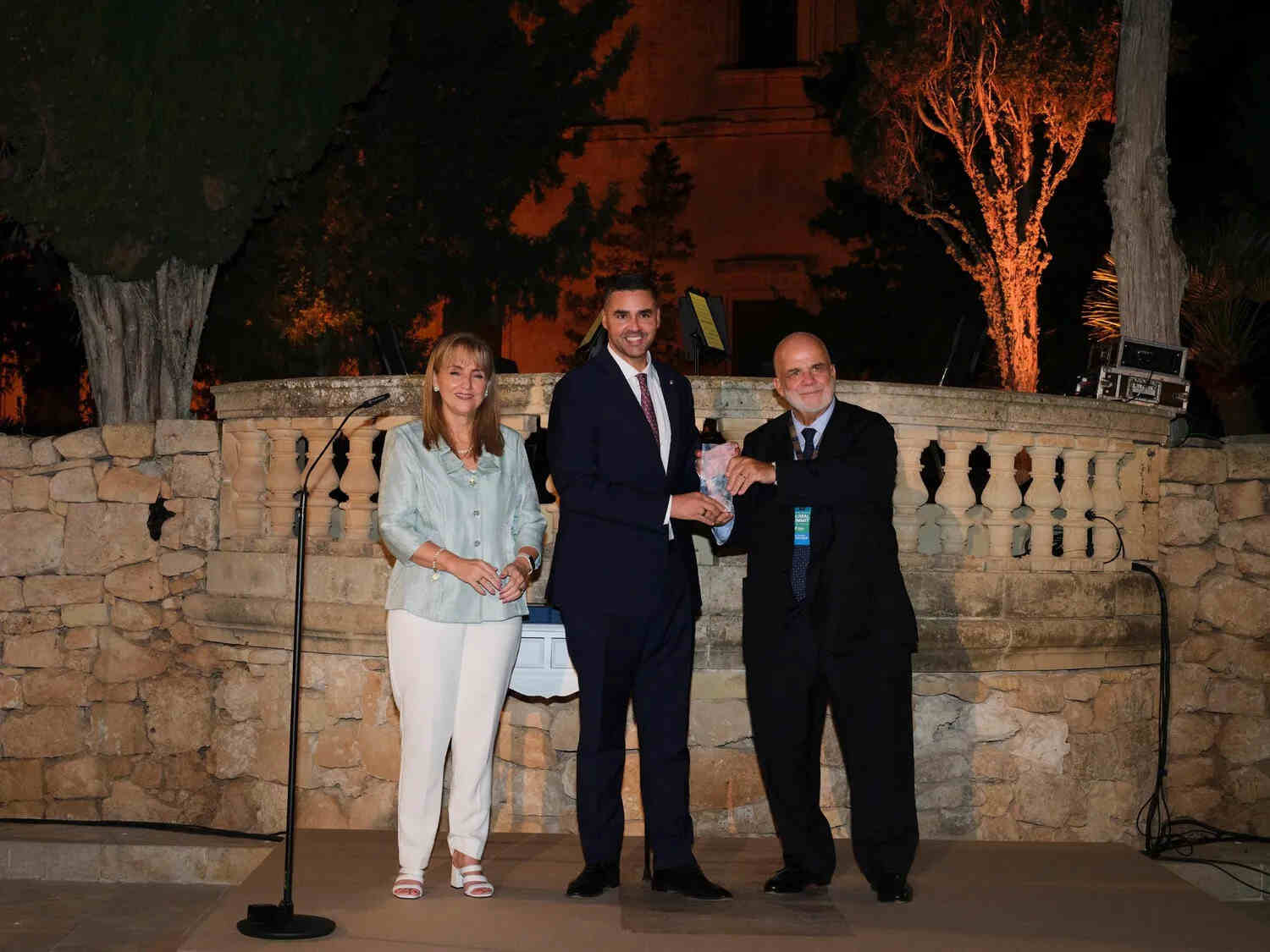
The position of Malta in the global tourism industry has been further improved by the presentation of the WTTC Global Leadership Award to the Deputy Prime Minister and Minister for Health of the country by the World Travel & Tourism Council (WTTC). The award ceremony took place at the WTTC Global Summit in Valletta and signifies the dedication of Malta to the development of its tourism industry.
The award is very timely in view of Malta’s current situation. Tourism remains one of the key elements of the economic development of this Mediterranean island country, providing job opportunities and contributing to the growth of the country’s profile on the international investment scene. The fact that tourism is expected to generate US$4.9 billion for the Maltese economy in 2026 is an example of how a small destination can make its mark in the international travel industry.
Malta Earns International Recognition for Its Growing Influence in Global Tourism
Malta’s emergence as an important destination for international tourism discussions has received another boost through the WTTC Global Leadership Award. The recognition celebrates the country’s efforts to strengthen cooperation across the travel industry while encouraging sustainable economic development.
The award also reflects Malta’s increasing engagement with international tourism organisations, investors and business leaders. By promoting closer cooperation between public institutions and private enterprises, the country is working to create a competitive tourism environment.
Advertisement
Advertisement
This approach is particularly important for Malta, where tourism supports a wide range of economic activities, including accommodation, transport, hospitality, entertainment and cultural attractions.
WTTC Global Summit in Valletta Brings Together the World’s Tourism Decision-Makers
The historic capital of Valletta became a meeting point for the international travel industry as Malta hosted the WTTC Global Summit.
Advertisement
Advertisement
The event welcomed more than 1,000 delegates, including over 200 senior tourism executives and government representatives. Their participation underlined the importance of the summit as a platform for discussing the future of global travel.
The gathering provided opportunities to examine investment, innovation, tourism competitiveness and cooperation between governments and businesses.
For Malta, hosting such an influential international event represented more than a temporary increase in business activity. It offered a valuable opportunity to strengthen relationships with organisations capable of influencing future tourism investment and development.
Prestigious WTTC Leadership Award Recognises Malta’s Commitment to Tourism Development
The WTTC Global Leadership Award honours outstanding leadership within destinations hosting the organisation’s Global Summit.
It recognises efforts to encourage tourism growth through innovation, cooperation and constructive engagement with industry stakeholders.
In Malta’s case, the award acknowledges the government’s support for closer collaboration with private-sector businesses during preparations for the international summit.
Advertisement
Advertisement
Such cooperation is important because tourism development depends on several interconnected industries working effectively together.
Government authorities influence infrastructure, regulations and investment conditions, while private businesses deliver accommodation, transport, visitor experiences and other essential services.
By encouraging dialogue between these groups, Malta aims to establish stronger foundations for long-term tourism growth.
Government and Private Businesses Join Forces to Strengthen Malta’s Tourism Future
One of the central themes behind Malta’s international recognition is its commitment to cooperation between public institutions and the private sector.
The preparations for the WTTC Global Summit created opportunities for government representatives to engage directly with international tourism companies and industry organisations.
These discussions can help identify investment opportunities, improve business conditions and address challenges affecting tourism competitiveness.
Advertisement
Advertisement
For Malta, collaboration is especially important because the country’s tourism industry operates within a relatively compact geographical area.
Efficient transport, high-quality accommodation, reliable infrastructure and coordinated destination management are essential for maintaining visitor satisfaction and supporting future growth.
A strong partnership between public authorities and tourism businesses can also help the country respond to changing traveller expectations.
Malta’s Tourism Economy Set to Reach US$4.9 Billion in 2026
Malta’s growing importance within international tourism is supported by substantial economic contributions from the sector.
According to WTTC’s Economic Impact Research, Travel & Tourism is forecast to generate US$4.9 billion for Malta’s economy in 2026.
This represents approximately 16.9% of the country’s gross domestic product.
Advertisement
Advertisement
The figures demonstrate how tourism has become a major contributor to national economic activity.
Visitor spending supports hotels, restaurants, transport providers, attractions and other businesses throughout the destination.
The industry’s economic influence also extends beyond companies serving tourists directly. Local suppliers, food producers, maintenance services and other supporting enterprises benefit from tourism-related demand.
As a result, the sector’s performance has implications for the wider Maltese economy.
Tourism Supports More Than One in Five Jobs Across Malta
Employment is another important measure of tourism’s significance to Malta.
WTTC’s research indicates that Travel & Tourism supports more than one in five jobs across the country.
Advertisement
Advertisement
This highlights the industry’s role in providing employment opportunities across different skill levels and professional sectors.
Hotels and restaurants are among the most visible employers, but tourism also supports jobs in transport, event management, retail, cultural services and business operations.
The industry’s contribution extends to businesses that supply goods and services to tourism establishments.
For Malta, maintaining a competitive tourism sector is therefore closely connected to employment stability, workforce development and economic resilience.
Continued investment in training, service quality and infrastructure could help strengthen these benefits over time.
Malta Records Europe’s Strongest Tourism GDP Growth in 2025
Malta’s recent tourism performance has been particularly notable when compared with other European economies.
Advertisement
Advertisement
According to WTTC’s latest research, the country recorded a 16.8% annual increase in Travel & Tourism’s contribution to GDP in 2025.
This was the highest annual growth rate among European economies covered by the research.
By comparison, the European average stood at 2.6%.
The difference illustrates the strength of Malta’s tourism-related economic expansion during the year.
However, the figures measure growth in tourism’s economic contribution rather than the number of international visitor arrivals.
They nevertheless demonstrate the sector’s growing importance to Malta’s economic performance and its ability to generate substantial activity within the wider economy.
Advertisement
Advertisement
Valletta Gains a Powerful Platform to Showcase Malta’s Cultural and Tourism Attractions
Hosting the WTTC Global Summit provided Malta with an opportunity to introduce its destination offering to influential international decision-makers.
Valletta, recognised for its historic architecture and cultural heritage, offered a distinctive setting for discussions about the future of tourism.
The city’s historic streets, waterfront surroundings and architectural landmarks reflect the cultural identity that makes Malta attractive to international visitors.
Beyond Valletta, the country offers coastal landscapes, historic towns, Mediterranean cuisine and a range of leisure experiences.
These attractions help Malta appeal to travellers seeking combinations of culture, relaxation and exploration.
By bringing tourism executives and government representatives directly to the destination, the summit allowed Malta to demonstrate its visitor appeal alongside its business capabilities.
Advertisement
Advertisement
International Tourism Summit Opens New Opportunities for Investment and Business Partnerships
Major international tourism gatherings can create opportunities that extend well beyond the duration of the event itself.
For Malta, the WTTC Global Summit provided direct access to business leaders involved in tourism investment, hospitality development and destination management.
Such engagement can help the country communicate its development priorities and strengthen relationships with potential commercial partners.
Investors assessing tourism destinations often consider infrastructure, connectivity, workforce availability, regulations and long-term market potential.
Malta’s participation in these discussions offers an opportunity to present its economic environment and tourism ambitions to an influential international audience.
Although the summit does not guarantee new investment, the connections established during the event may support future business discussions and partnerships.
Advertisement
Advertisement
Malta’s Mediterranean Location Strengthens Its Appeal to International Travellers
Malta’s geographical position in the Mediterranean provides an important advantage for its tourism industry.
Situated between southern Europe and North Africa, the island nation has long served as a meeting point for different cultures and trading traditions.
Today, this location contributes to its identity as an international leisure and business destination.
The country combines historic attractions with coastal experiences, hospitality services and facilities for conferences and events.
Its relatively compact size also allows visitors to experience different attractions within short distances.
These characteristics create opportunities for Malta to appeal to travellers interested in cultural holidays, seaside breaks and business events.
Advertisement
Advertisement
Maintaining effective international connectivity will remain important for converting this destination appeal into sustained tourism demand.
Tourism Growth Creates Opportunities for Hotels, Restaurants and Local Businesses
The economic importance of tourism extends across Malta’s hospitality and service industries.
Hotels and accommodation providers benefit directly from visitor demand, while restaurants, entertainment venues and cultural attractions gain additional business from international travellers.
Transport operators and tourism service providers also form part of this interconnected economy.
The WTTC forecast of US$4.9 billion in tourism-related economic contribution illustrates the scale of the sector’s influence.
However, continued growth requires attention to service standards, infrastructure capacity and visitor experience.
Advertisement
Advertisement
For tourism businesses, maintaining quality while adapting to changing demand will be important for remaining competitive.
Investment in facilities, workforce skills and innovative visitor experiences could further strengthen Malta’s tourism offering.
Global Recognition Highlights the Importance of Long-Term Tourism Competitiveness
The WTTC Global Leadership Award draws attention to the importance of long-term planning within the tourism industry.
Destinations cannot rely entirely on natural attractions or historical popularity to maintain their competitive position.
They must also consider infrastructure, investment, business conditions, visitor satisfaction and the needs of local communities.
For Malta, cooperation between government authorities and private enterprises provides a framework for addressing these priorities.
Advertisement
Advertisement
The country’s recent tourism performance offers a strong foundation, but sustaining economic growth will require continued coordination.
Changing travel patterns, international competition and environmental pressures may influence future development decisions.
A balanced approach can help Malta protect its destination appeal while supporting businesses and communities that depend on tourism.
Why Malta’s Tourism Success Matters for the Wider European Travel Industry
Malta’s performance offers an interesting example of how tourism can contribute substantially to a smaller European economy.
Its 16.8% increase in tourism’s GDP contribution during 2025 exceeded the European average of 2.6% by a considerable margin.
This difference highlights the varying pace of tourism-related economic growth across Europe.
Advertisement
Advertisement
Malta’s experience also demonstrates the importance of international visibility and cooperation with industry stakeholders.
Hosting the WTTC Global Summit places the country within discussions that may influence future tourism investment, innovation and policy.
For other destinations, Malta’s progress illustrates the potential benefits of combining destination promotion with coordinated economic planning and engagement with private businesses.
What International Travellers Should Know About Malta’s Expanding Tourism Ambitions
For travellers, Malta’s growing international profile brings renewed attention to the experiences available across the destination.
The country offers historic cities, Mediterranean coastal scenery, cultural landmarks and established hospitality services.
Valletta remains one of its most recognisable attractions, while other parts of the islands provide opportunities to explore local traditions, architecture and seaside environments.
Advertisement
Advertisement
The country’s tourism ambitions also extend beyond attracting more visitors.
Maintaining service quality, improving destination competitiveness and encouraging responsible development will be important as tourism continues to contribute to national economic activity.
Visitors considering Malta can expect a destination that combines a strong cultural identity with an increasingly prominent position in international tourism discussions.
Malta Enters a Defining Period as Global Tourism Recognition Meets Economic Momentum
Malta’s recognition at the WTTC Global Summit marks an important moment for the country’s tourism industry.
The Global Leadership Award acknowledges its efforts to encourage cooperation between government institutions and private businesses, while the summit itself has strengthened Malta’s visibility among international tourism decision-makers.
The economic outlook adds further significance to this recognition.
Advertisement
Advertisement
With Travel & Tourism forecast to contribute US$4.9 billion to the economy in 2026, account for 16.9% of GDP and support more than one in five jobs, the sector remains central to Malta’s development.
Following Europe’s strongest tourism GDP contribution growth in 2025, Malta now faces the challenge of turning international recognition and economic momentum into lasting competitiveness.
Its future progress will depend on maintaining strong partnerships, attracting appropriate investment and ensuring that tourism growth continues to deliver benefits across the country.
Advertisement
