
Australia Travel Gets a Stunning Spring Boost as Riverina Canola Trail Draws Global Visitors

Published
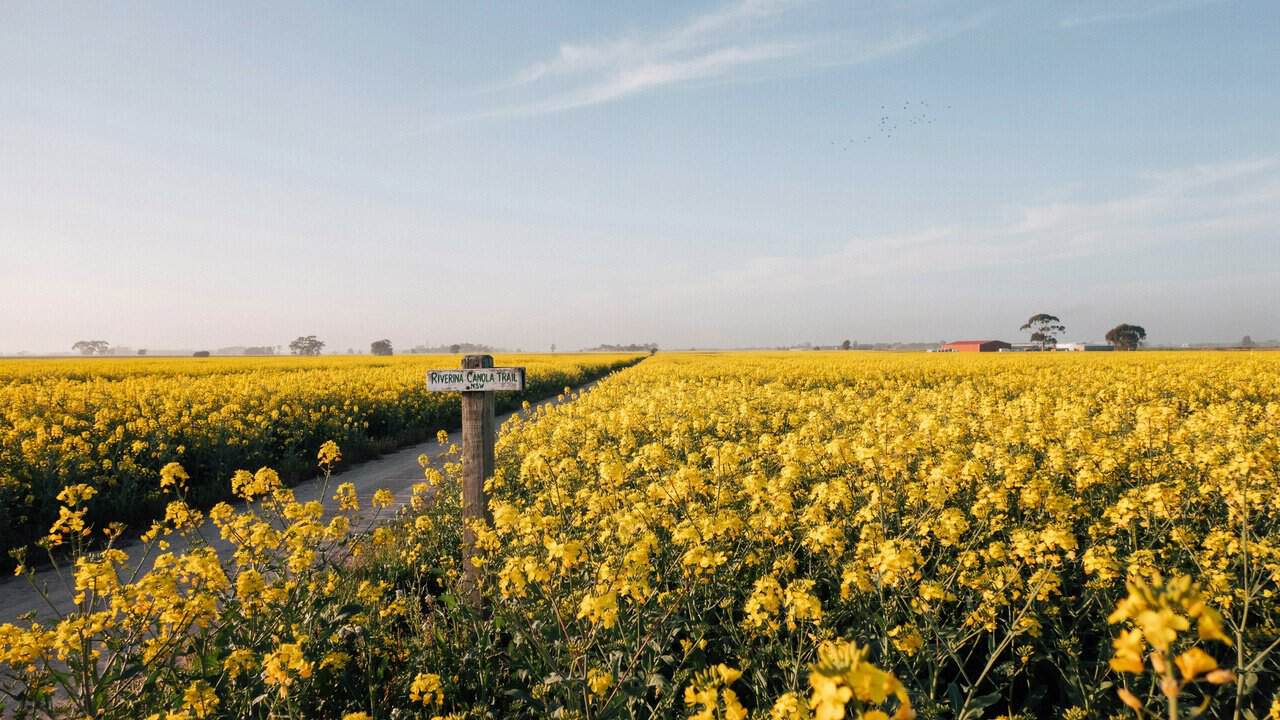
Australia Travel is gaining a striking spring attraction as the Riverina Canola Trail transforms the countryside around Temora, Junee and Coolamon into vast fields of brilliant yellow. The seasonal spectacle is turning an agricultural landscape into a growing tourism draw, attracting photographers, families and road-trippers seeking a short-lived natural experience. NSW Government tourism information identifies August and September as the traditional flowering period, while the latest Destination NSW itinerary extends the broader seasonal window into October. For visitors, the appeal goes beyond photographs. The route connects country towns, food, wine, heritage, local businesses and outdoor experiences, creating a powerful regional road-trip opportunity across southern New South Wales.
NSW Canola Trail Turns Agriculture Into a Powerful Tourism Attraction
The Riverina Canola Trail connects Temora, Junee and Coolamon, creating a scenic route through one of southern NSW’s major agricultural landscapes. NSW Government tourism information describes the trail as a journey through the region’s agricultural and railway heritage, local food and wine, historic towns and seasonal landscapes.
Advertisement
Advertisement
During spring, the countryside changes dramatically.
Canola paddocks develop intense yellow blooms that contrast with green farmland, country roads and open skies.
Advertisement
Advertisement
The visual impact has turned the crop into a seasonal tourism asset.
Visitors increasingly travel specifically to photograph the landscape, while local tourism businesses use the flowering period to encourage longer stays.
Advertisement
Advertisement
The result is a form of agricultural tourism where the working landscape itself becomes part of the visitor experience.
Yellow Bloom Road Gives Visitors a Dedicated Canola Experience
One of the biggest developments is Yellow Bloom Road in Temora.
Temora Shire Council launched the dedicated public canola walk beside Lake Centenary in September 2026. The initiative was developed with FarmLink to provide visitors with a place to walk, ride and photograph flowering canola without entering private farmland.
The 2026 experience ran from 3 September to 4 October and offered free public access.
The location is particularly useful because it addresses a growing issue created by the popularity of canola tourism.
Many surrounding paddocks are working farms.
Advertisement
Advertisement
Visitors entering private agricultural land for photographs can damage crops and create safety problems.
Yellow Bloom Road provides a designated alternative.
The current NSW tourism listing describes the site as a purpose-created canola field with photography opportunities and information about the crop’s history and regional importance.
Why Australia Travel Is Chasing the Yellow Fields
The appeal is immediate.
A large canola field in full bloom creates an expansive golden landscape that looks dramatically different from the surrounding countryside.
For photographers, it provides a highly distinctive seasonal subject.
Advertisement
Advertisement
For families, it creates an easy outdoor experience.
For road-trippers, it adds a compelling reason to explore regional NSW.
The attraction also benefits from its limited duration.
Canola does not remain in full bloom indefinitely.
That creates urgency and encourages travellers to monitor flowering conditions rather than treating the experience as a permanent attraction.
NSW Government tourism information currently identifies August and September as the key flowering months for the Canola Trail, while Destination NSW’s latest four-day itinerary gives a broader August-to-October travel window.
Advertisement
Advertisement
Temora Becomes a Major Base for Canola Travel
Temora sits at the centre of the current canola tourism experience.
Destination NSW describes the town as one of the principal stops on the Riverina trail and highlights its spring landscape, outdoor experiences and aviation heritage.
Visitors can combine Yellow Bloom Road with Lake Centenary, where the surrounding recreational facilities provide an additional reason to spend time in the area.
Temora also provides opportunities to explore local history and aviation.
This makes the town more than a roadside photography stop.
Travellers can build a full day around the destination before continuing along the Canola Trail.
Advertisement
Advertisement
Junee Adds Heritage, Rail History and Food
Junee gives the route another distinct identity.
The town has a strong connection with railway and agricultural history, while its tourism offer includes food and family attractions.
Destination NSW highlights the Junee Licorice and Chocolate Factory, where visitors can see confectionery production and sample locally made products.
The town’s railway heritage also adds depth to the journey.
For travellers, Junee demonstrates why the Canola Trail works better as a regional itinerary than as a single photo stop.
Visitors can combine the yellow fields with heritage attractions and local food before continuing towards Coolamon.
Advertisement
Advertisement
Coolamon Brings Food and Small-Town Charm
Coolamon adds another layer to the Riverina experience.
The official NSW tourism information highlights its heritage buildings, local businesses and food experiences.
The town can be explored alongside the surrounding canola landscapes.
Visitors can discover artisan food producers, cafés and boutique businesses while experiencing the character of a smaller Riverina community.
The Canola Trail therefore connects scenery with local economic activity.
The flowers attract visitors.
Advertisement
Advertisement
The towns encourage them to stop, eat, shop and stay.
That connection is central to the tourism value of the route.
Canola Tourism Is Becoming a Multi-Day Road Trip
Destination NSW now promotes a four-day Canola Trail itinerary covering approximately 1,000 kilometres, with the route extending across Cowra, the Hilltops region, Temora, Junee, Coolamon and Wagga Wagga.
This significantly expands the tourism proposition.
Instead of driving to one field and returning home, visitors can create a broader regional holiday.
The official itinerary includes scenic landscapes, food and wine, heritage attractions and a hot-air balloon experience in Temora.
Advertisement
Advertisement
This makes the Canola Trail suitable for couples, families, photographers and travellers seeking slower road-trip experiences.
Hot-Air Ballooning Takes Riverina Travel to Another Level
One of the most visually striking ways to experience the canola fields is from above.
Destination NSW includes sunrise hot-air ballooning in Temora as part of its recommended itinerary.
From the air, the geometric patterns of agricultural fields create a completely different perspective.
The experience also reinforces the transformation of canola from an agricultural crop into a tourism product.
Visitors are no longer simply driving past fields.
Advertisement
Advertisement
They can photograph them from designated viewpoints, walk among them at Yellow Bloom Road and view the wider landscape from the air.
Riverina Travel Connects Canola With Food and Wine
The Canola Trail is also part of a wider Riverina food and tourism story.
NSW tourism information describes the Riverina as an important agricultural and food-producing region, with experiences ranging from artisan products to wineries and local dining.
That makes the canola season an opportunity to promote regional produce alongside the landscape.
Travellers can combine a morning photography drive with local food, wine tasting or a heritage-town visit.
This creates more opportunities for tourism spending across the region.
Advertisement
Advertisement
Why Visitors From Canberra and Sydney Are Joining the Craze
The Riverina’s location makes it accessible to travellers from major population centres.
Temora is approximately 2.5 hours by road from Canberra, while Sydney visitors face a longer road journey.
Destination NSW also positions the broader Canola Trail as a road-trip experience from Sydney, with its current itinerary beginning and ending in the city.
This accessibility helps explain why the canola season can attract visitors who might otherwise overlook regional NSW.
A short-lived natural spectacle provides a strong reason to make the journey.
Canola Tourism Is Creating Economic Opportunities
The tourism value extends beyond the fields.
Advertisement
Advertisement
The supplied research indicates that spending across participating shires increased by approximately 20% during the 2025 marketing campaign, with reported September 2025 tourism spending reaching about A$4.6 million.
These figures were reported through ABC coverage of the Canola Trail campaign.
The wider economic effect comes from visitors spending on accommodation, food, fuel, attractions, retail and local services.
This demonstrates how seasonal tourism can support regional communities without requiring a major permanent attraction.
The landscape itself becomes the initial reason to visit.
Local businesses then provide the wider visitor experience.
Advertisement
Advertisement
Travellers Must Respect Private Farmland
The growth of canola tourism also creates responsibilities.
Not every yellow field is a public attraction.
Most are working agricultural properties.
Visitors should not enter private paddocks simply to take photographs.
Temora’s Yellow Bloom Road was specifically designed to provide safe public access without requiring visitors to enter private farmland.
Travellers should remain on public roads and designated viewing areas unless a landowner has explicitly granted permission.
Advertisement
Advertisement
This protects crops, reduces safety risks and helps maintain good relationships between tourism and agriculture.
When Should Travellers Visit the Canola Trail?
Timing is critical.
The official NSW Government tourism information identifies August and September as the traditional flowering period.
Destination NSW currently gives a broader August-to-October window for its Canola Trail itinerary.
Weather can change the timing from year to year.
Warm conditions can shorten the flowering period.
Advertisement
Advertisement
Travellers planning a dedicated photography trip should therefore check current local conditions before setting out.
The 2026 Yellow Bloom Road season, for example, was specifically scheduled from 3 September to 4 October.
What Makes the Canola Trail Different?
The Canola Trail’s strongest feature is that it combines seasonal scenery with regional life.
Visitors are not simply looking at flowers.
They are travelling through agricultural landscapes, historic communities and country roads.
They can explore Temora’s aviation heritage, Junee’s railway history, Coolamon’s food and heritage attractions and Wagga Wagga’s cultural offerings.
Advertisement
Advertisement
That makes the route particularly suitable for slow travel.
Instead of rushing between major attractions, visitors can spend time in smaller communities and discover local businesses.
The Future of NSW Canola Tourism
The Canola Trail demonstrates how regional tourism can develop around a temporary natural phenomenon.
The attraction does not require a theme park or major permanent infrastructure.
It requires careful promotion, designated access, local businesses and responsible visitor management.
Yellow Bloom Road provides one example of this model.
Advertisement
Advertisement
The designated field protects private agriculture while giving tourists the experience they are seeking.
If managed carefully, the seasonal spectacle can continue directing visitors towards towns that might otherwise receive less tourism attention.
Conclusion
Australia Travel is discovering a spectacular new reason to explore regional New South Wales as the Riverina Canola Trail turns Temora, Junee and Coolamon into a seasonal sea of yellow. Official NSW tourism sources position the trail as a spring road-trip experience combining canola fields with heritage, food, wine and local attractions. The 2026 Yellow Bloom Road initiative adds a dedicated public viewing area beside Lake Centenary, allowing visitors to experience the crop without entering private farmland. For travellers, the biggest opportunity is to go beyond the photograph. Stay longer, explore the country towns, taste regional produce and discover the Riverina landscape. Because the bloom is temporary, checking current conditions before departure remains essential.
Advertisement
