
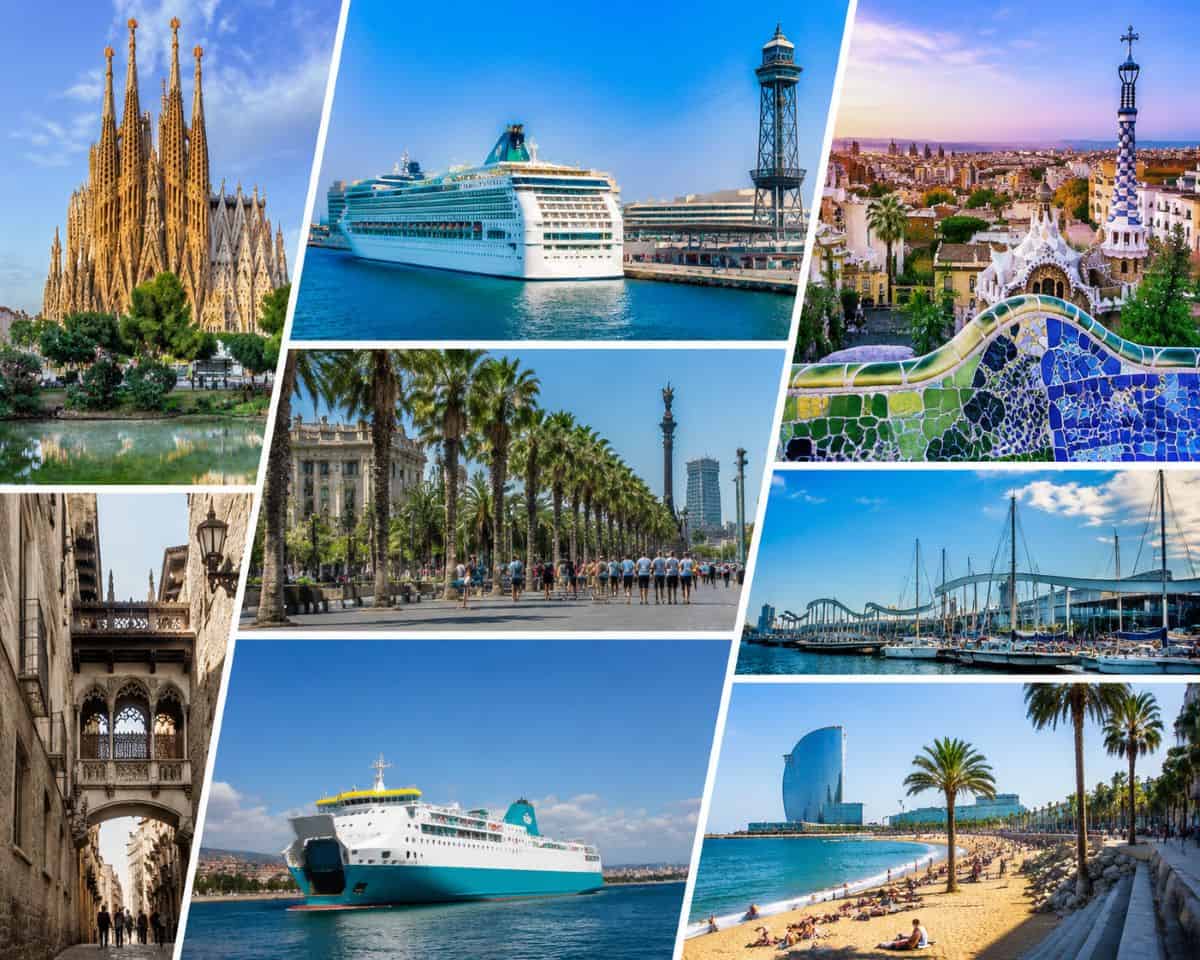
Image generated with Ai
United Kingdom and other leading markets are strengthening Barcelona tourism’s global travel appeal in 2026 as Barcelona cruise tourism growth and Barcelona ferry connectivity reshape the city’s international connectivity. In the first six months of 2026, the Port of Barcelona had 2.44 million passengers. Of these, 1.77 million were from cruise ships. This records the demand for travelling around Mediterranean travel destinations in 2026. Ferry services had 670,637 passengers. This connects many people, including United Kingdom travellers, with Barcelona, with new opportunities. This development shows that Barcelona is a major point of interest for visitors who want to be brought within culture, cities, and the wider travel networks and connections in Europe. This development shows the impact of cruises in connecting people across the world and leading them to new experiences.
Barcelona’s position as a Mediterranean tourism gateway continues to expand as passenger activity grows across cruise and ferry segments. The port’s passenger performance shows that international maritime travel remains a major driver of destination visibility. Cruise passengers increased significantly in 2026, reaching 1,772,470 passengers, an increase of 80,516 passengers or 4.8% compared with the previous year. Embarkation passengers reached 520,607, rising by 6.7%, while disembarkation passengers increased to 514,055, up 8%. Transit cruise passengers reached 737,808, showing a 1.4% increase. Barcelona also recorded 1,036,506 cruise visitors linked with city visits, increasing by 34,411 visitors or 3.43% year-on-year. The Port of Barcelona notes that this calculation is developed with Turisme de Barcelona to better reflect actual cruise passenger movements in the city.
Advertisement
Barcelona is strengthening its role as one of the Mediterranean’s most connected travel destinations in 2026, supported by rising cruise demand, expanding passenger movement and continued maritime importance. The city’s port ecosystem is becoming increasingly significant for international travellers from key markets, including the United Kingdom, United States, France and Germany, who use Barcelona as a cultural gateway, cruise departure point and European travel hub. According to the Port of Barcelona Traffic Statistics – Accumulated Data June 2026, the port handled 2,443,107 passengers during the first six months of 2026, representing growth of 96,987 passengers or 4.1% compared with 2025. Cruise tourism remained the strongest contributor, with 1,772,470 cruise passengers, while regular ferry services handled 670,637 passengers. The growth demonstrates Barcelona’s evolving travel landscape, where cruise tourism, ferry connectivity, maritime infrastructure and regional transport networks work together to improve access for global visitors.
| Segment | 2026 Performance | Tourism Impact |
|---|---|---|
| Total passengers | 2,443,107 | Supports international tourism growth |
| Cruise passengers | 1,772,470 | Strengthens Mediterranean cruise leadership |
| Ferry passengers | 670,637 | Supports regional travel connections |
| Cruise visitors to Barcelona | 1,036,506 | Increases city tourism activity |
| Passenger calls | 1,821 | Maintains maritime accessibility |
The United Kingdom remains an important European travel market for Mediterranean destinations, and Barcelona continues attracting British travellers through its combination of historic attractions, cruise opportunities and urban experiences. Although the Port of Barcelona’s June 2026 traffic report does not provide passenger nationality data, its passenger growth highlights the wider expansion of international travel activity through the city’s maritime gateway. For UK travellers, Barcelona offers a strong combination of short city breaks, cruise departures and cultural tourism. The city allows visitors to experience world-famous architecture, coastal attractions and historic districts within a compact urban environment. The growth of cruise operations also creates opportunities for travellers who begin or finish Mediterranean voyages in Barcelona. The rise in cruise embarkation and disembarkation passengers shows the importance of the city as more than a transit destination.
Advertisement
Advertisement
| Travel Area | Impact on Barcelona |
|---|---|
| Cruise travel | Supports Mediterranean holiday demand |
| Cultural tourism | Increases visits to heritage attractions |
| City breaks | Encourages short international stays |
| Waterfront tourism | Supports coastal experiences |
| Hospitality | Creates demand for accommodation and services |
Barcelona continues to attract long-haul visitors from the United States through its reputation as a cultural destination and a major Mediterranean cruise gateway. The city’s cruise infrastructure plays a significant role for American travellers who often combine European city exploration with Mediterranean sailing itineraries. The Port of Barcelona’s cruise passenger growth in 2026 reflects continued strength in this segment, with cruise traffic representing the largest passenger category. Barcelona provides international visitors with access to architecture, art, gastronomy, beaches and nearby Catalan destinations. The city’s cruise terminals, airport connections and tourism infrastructure make it an important entry point for wider European journeys.
| Travel Segment | Barcelona Opportunity |
|---|---|
| Cruise tourism | Supports long-haul Mediterranean itineraries |
| Cultural travel | Drives landmark visits |
| Premium tourism | Encourages extended stays |
| Waterfront experiences | Adds leisure value |
| Regional travel | Connects visitors with Catalonia |
France represents one of Barcelona’s closest international travel connections, supported by geographic proximity, cultural links and European mobility networks. Barcelona’s relationship with French travellers is strengthened by rail connectivity, short-distance travel opportunities and shared Mediterranean tourism interests. Visitors from France can access the city through multiple transport options, including rail and air connections. The city’s appeal extends beyond traditional sightseeing, with visitors attracted by architecture, food culture, coastal experiences and cultural events.
| Connectivity Factor | Tourism Benefit |
|---|---|
| Rail access | Supports convenient European travel |
| Cultural links | Encourages repeat visits |
| Weekend travel | Strengthens short-break tourism |
| Coastal experiences | Expands visitor activities |
| Regional mobility | Supports wider Catalonia exploration |
Germany remains an important European tourism market, with travellers attracted to Barcelona’s cultural attractions, Mediterranean lifestyle and international transport connections. The city’s combination of cruise infrastructure, urban mobility and sustainable travel options supports visitors seeking both cultural and leisure experiences. Barcelona’s growing passenger connectivity complements broader European travel networks, allowing visitors to combine the city with wider Mediterranean and European journeys.
| Tourism Segment | Barcelona Impact |
|---|---|
| Cruise connectivity | Supports Mediterranean travel |
| Sustainable mobility | Improves visitor movement |
| Cultural tourism | Increases attraction demand |
| European travel | Strengthens regional links |
| Leisure tourism | Expands visitor experiences |
Barcelona’s travel future depends on the integration of different transport systems. While passenger and cruise activity showed positive growth, railway traffic faced challenges during the first half of 2026. Railway traffic reached 4,931 units in 2026, compared with 5,690 units in 2025, representing a decline of 759 units or 13.3%. Railway container traffic reached 113,042 TEU, compared with 126,741 TEU in 2025. However, June showed improvement, with railway container traffic increasing 9.9% year-on-year, indicating signs of recovery.
| Transport Network | Role in Future Travel |
|---|---|
| Cruise | International tourism gateway |
| Ferry | Regional Mediterranean connectivity |
| Rail | Sustainable inland mobility |
| Maritime trade | Global economic connection |
| City transport | Visitor accessibility |
Rising Barcelona cruise and ferry services will further enhance Barcelona’s hub status for world travel by 2026. The UK and other key markets are vital to responding to the global and varied visitors to Barcelona through better connections and access to the sea. The cruise facilities, transport networks, and location of the city favor Barcelona’s standing as an enviable travel site for leisure customers wanting the sun, sea, and the culture and historical experiences of the Mediterranean. The extension of connections and travel pursuits favor Barcelona’s position as a world travel site and the continued growth of global travel.
Advertisement
Tags: Barcelona cruise tourism growth, Barcelona ferry connectivity, Barcelona tourism 2026, Mediterranean travel destinations 2026, United Kingdom travellers Barcelona
Advertisement
Advertisement













Saturday, September 5, 2026

Friday, September 4, 2026

Saturday, September 5, 2026

Saturday, September 5, 2026
Saturday, September 5, 2026

Thursday, September 3, 2026

Saturday, September 5, 2026

Saturday, September 5, 2026


