
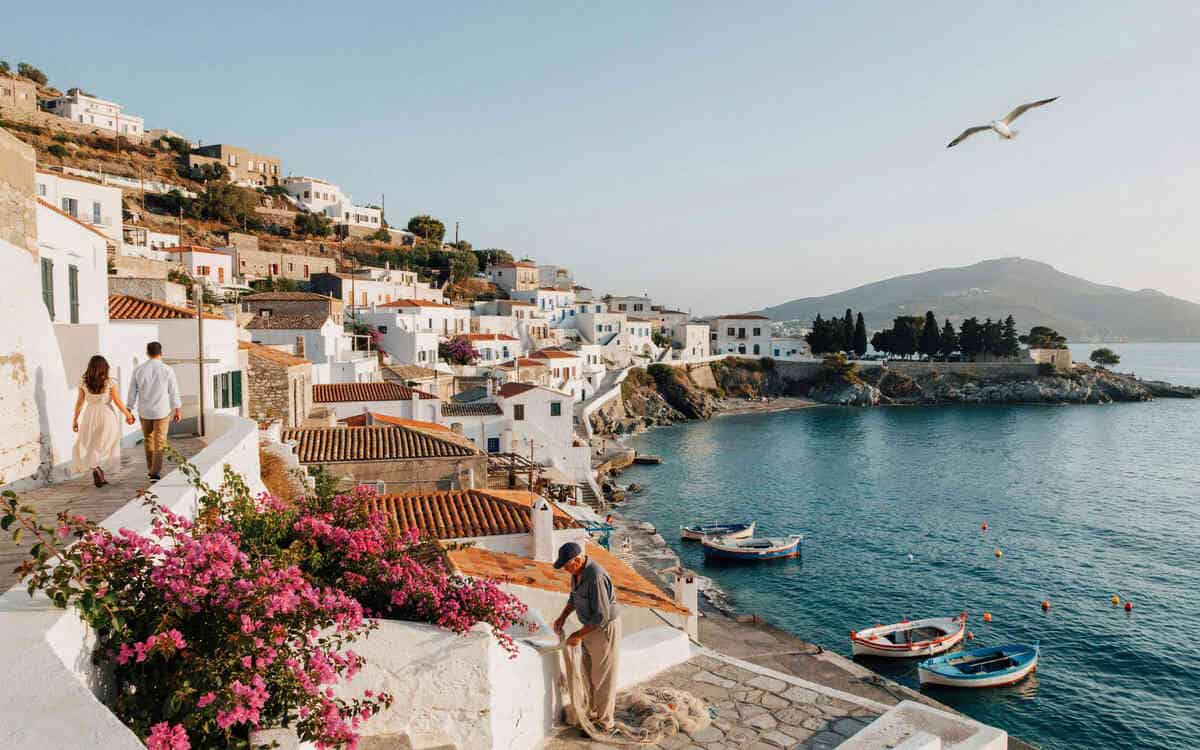
Image generated with Ai
The Netherlands and more European countries have a September travel surge because tourists like to see iconic places without huge summer crowds. The fall also has less heat, which helps travelers see more landmarks. Amsterdam’s canals. Italy’s and Greece’s cultural and historic landmarks. Spain’s beach and historical landmarks. Scotland’s historical sites and nature, and Portugal’s landscapes are some of the popular travel hotspots in fall. Travelers like to see places in Europe that are less crowded, and the fall has great weather for sightseeing and less crowds.
Unlike the peak months of July and August, when popular destinations often struggle with overcrowded streets, packed attractions and busy coastal areas, September creates a calmer atmosphere. Historic cities become easier to explore, beaches remain inviting and outdoor experiences continue without the extreme summer heat.
Advertisement
From Croatia’s ancient coastal towns to Italy’s artistic capitals and Portugal’s colourful riverside streets, these European destinations reveal their true character when summer crowds begin to disappear.City Country Why September Creates A Better Experience Dubrovnik Croatia Ancient streets become calmer while the Adriatic remains warm Santorini Greece Iconic views become easier to enjoy Venice Italy Canals and historic areas feel less crowded Barcelona Spain Beaches and culture combine with more comfort Amsterdam Netherlands Museums and cycling become more enjoyable Prague Czech Republic Historic exploration becomes easier Split Croatia Coastal adventures continue with fewer visitors Florence Italy Art and Tuscany shine in early autumn Edinburgh Scotland Historic attractions become more peaceful Porto Portugal Riverside charm returns with a relaxed atmosphere
Dubrovnik is one of Europe’s most dramatic coastal destinations, where medieval walls meet the deep blue Adriatic Sea. The city’s beauty attracts travellers from around the world, but its compact Old Town can become extremely crowded during the height of summer.
Advertisement
September changes the entire rhythm of the city. With fewer visitors filling the narrow stone streets, travellers can walk along the ancient walls, explore historic corners and enjoy sea views without the same congestion experienced during peak months.
The biggest advantage is that Dubrovnik does not lose its summer appeal. The Adriatic remains warm enough for swimming, while restaurants, beaches and outdoor activities continue welcoming visitors.
September allows travellers to experience Dubrovnik’s history and coastline together in a much more relaxed setting.
Santorini represents the dream image of Greece with its white villages, blue domes and spectacular views over the Aegean. However, the island’s popularity creates intense crowds during the busiest summer weeks.
Advertisement
Advertisement
The narrow pathways of Oia and Fira often become packed as visitors gather for sunset views. September offers a completely different feeling. The scenery remains unchanged, but travellers gain more space to appreciate the island’s beauty.
Warm weather continues, beaches remain enjoyable and tourism services operate normally. Visitors can explore volcanic landscapes, enjoy seaside dining and experience the famous sunsets without fighting through peak-season crowds.
Santorini in September delivers the same postcard views with a calmer atmosphere.
Venice is one of the world’s most unique destinations, built around canals, bridges and centuries of history. Yet the city’s narrow streets and delicate infrastructure make summer overcrowding especially noticeable.
September brings relief. Visitors can move more comfortably through historic neighbourhoods, discover hidden streets and enjoy famous landmarks with fewer interruptions.
The cooler temperatures also improve the experience because Venice is a city made for walking. Exploring bridges, canals and small squares becomes far more enjoyable when the intense summer conditions begin to fade.
September reveals a more elegant and peaceful side of Venice.
Barcelona combines beaches, architecture, food and nightlife into one of Europe’s strongest city experiences. Its popularity means that summer months can bring heavy crowds to famous attractions and central areas.
September creates the perfect middle ground. The Mediterranean climate remains pleasant, allowing visitors to enjoy beaches, outdoor cafés and seaside walks.
At the same time, major cultural attractions become easier to experience. Travellers can explore historic neighbourhoods, architectural landmarks and local dining scenes with a more comfortable pace.
Barcelona does not slow down in September. Instead, it becomes easier to enjoy.
Amsterdam attracts visitors with its historic canals, world-class museums and famous cycling culture. During summer, the city centre can become extremely busy as international travellers arrive in large numbers.
September provides a smoother experience. Visitors can explore canal streets, cultural attractions and neighbourhoods with fewer crowds.
The cooler weather also improves cycling conditions, making it easier to experience the city like a local rather than simply moving between crowded tourist areas.
Amsterdam’s charm comes from its everyday lifestyle, and September gives travellers a better opportunity to discover it.
Prague’s medieval architecture, historic bridges and charming streets make it one of Europe’s most beautiful destinations. However, summer crowds can make famous locations difficult to fully appreciate.
September brings better conditions for exploring. The city becomes calmer while temperatures remain ideal for walking through historic areas.
Visitors can enjoy the Old Town, castle views and traditional cafés without the pressure of peak-season tourism.
Prague’s magic comes from wandering through its streets, and September creates the perfect environment for that experience.
Split combines Roman heritage, waterfront beauty and access to some of Croatia’s most attractive islands. During summer, the city becomes a major coastal hotspot.
By September, the atmosphere becomes more peaceful while the Adriatic remains warm.
Visitors can explore historic areas, relax beside the waterfront and travel to nearby islands with fewer crowds. The city’s combination of history and beach lifestyle remains fully available without the intensity of the summer rush.
Split proves that Croatia’s coastline can be just as rewarding after the traditional holiday season.
Florence is a masterpiece of European culture, filled with historic architecture, museums and artistic treasures. Because the city centre is compact, summer crowds can quickly affect the sightseeing experience.
September creates a better environment for exploring. Visitors can spend more time appreciating landmarks, walking through historic streets and discovering cultural attractions.
The surrounding Tuscan countryside also becomes especially attractive during this period, with early autumn landscapes adding another layer to the experience.
Florence in September combines history, culture and seasonal beauty.
Edinburgh has a unique seasonal pattern. The city experiences major visitor activity during the summer period, but September brings a noticeable transformation.
The streets become calmer while historic attractions remain open and accessible. Travellers can explore the castle, old town and architectural landmarks without the same level of congestion.
The cooler climate also supports comfortable walking and outdoor exploration.
September allows visitors to experience Edinburgh’s history without the overwhelming atmosphere of the busiest months.
Porto has become one of Europe’s most attractive city destinations because of its colourful streets, river views and cultural experiences.
During summer, popular areas can become crowded as more travellers discover the city. September offers a more relaxed alternative while maintaining Portugal’s pleasant climate.
Visitors can explore riverside neighbourhoods, historic buildings and local food experiences at a slower pace.
Porto’s charm becomes even stronger when travellers have more time and space to appreciate it.
Europe in September offers something rare: the beauty of summer without the overwhelming pressure of peak season. The continent’s famous cities remain vibrant, but travellers gain more comfort, flexibility and opportunities to explore.
Warm coastal waters, historic landmarks and cultural experiences continue attracting visitors, while crowded streets and long queues become less dominant.
From Croatia’s Adriatic coastline to Italy’s historic treasures and Portugal’s riverside landscapes, September reveals a more authentic Europe.
For travellers searching for better experiences, comfortable weather and fewer crowds, September is becoming one of the smartest times to discover the continent.
Advertisement
Tags: Crowd Free Europe Travel, Europe Travel September, European city breaks, Netherlands Tourism, September Travel Destinations
Advertisement
Advertisement













Saturday, September 5, 2026

Friday, September 4, 2026
Saturday, September 5, 2026

Saturday, September 5, 2026

Thursday, September 3, 2026

Wednesday, September 2, 2026

Saturday, September 5, 2026
Saturday, September 5, 2026


