
Romania Overtakes Germany And More In Revitalising Bulgaria Tourism Revenue Boom With Over 10% Through Premium Visitor Spending

Published
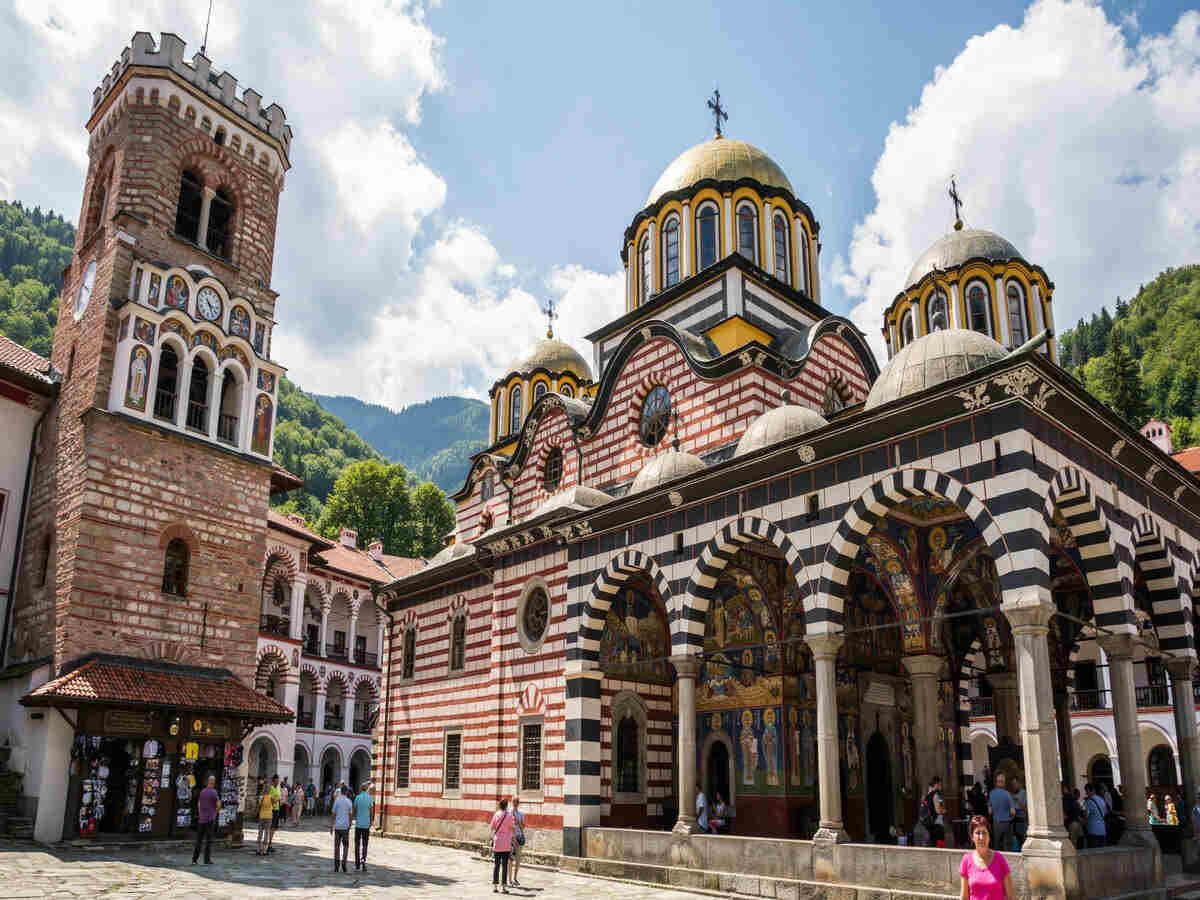
The revenues in Bulgaria have increased due to the high-end travelers coming from Romania and all over Europe. There has been a significant change taking place in the tourism sector in Bulgaria for the year 2026 where the country is earning more economically from the high-value tourists despite having fewer overnight stays. This can be seen from the recent tourism statistics.
Romania has emerged as one of the biggest forces behind this transformation, strengthening its position as Bulgaria’s leading tourism source market and reshaping regional travel patterns through easier cross-border movement following Bulgaria and Romania’s integration into the Schengen Area.
The removal of land border checks has created a new travel environment between the two neighbouring countries, encouraging more spontaneous holidays, weekend trips and family travel. This improved accessibility is supporting Bulgaria’s Black Sea resorts and helping increase tourism spending from nearby European markets.
At the same time, Bulgaria overall tourism revenue has recorded strong growth. According to Bulgaria’s National Statistical Institute (NSI), accommodation establishments generated €198 million in revenue in June 2026, representing a 13.6% year-on-year increase. However, overnight stays declined by 3.6% to 3.69 million, while tourist arrivals decreased by 3.1%.
Advertisement
Advertisement
The figures demonstrate a significant change: fewer travellers are generating greater economic value through premium accommodation choices, longer stays and higher spending patterns.
Bulgaria Tourism Performance June 2026: Revenue Growth Despite Lower Overnight Stays
| Bulgaria Tourism Performance June 2026 | Growth Result |
|---|---|
| Overnight stays | 3.69 million |
| Change in overnight stays | -3.6% year-on-year |
| Tourist arrivals | -3.1% year-on-year |
| Accommodation revenue | €198 million |
| Revenue growth | +13.6% |
| Foreign visitor revenue | €138.9 million |
| Leading tourism regions | Burgas and Varna |
| Strongest accommodation category | Four- and five-star hotels |
Foreign travellers remained the backbone of Bulgaria’s tourism economy, contributing €138.9 million of accommodation revenue. International guests also recorded longer stays compared with domestic travellers, supporting stronger hotel income.
Advertisement
Advertisement
The performance shows that Bulgaria’s tourism future is increasingly linked with attracting quality-conscious visitors rather than simply increasing arrivals.
Premium Hotels Become The Driving Force Behind Bulgaria’s Tourism Revenue Boom
One of the strongest indicators of Bulgaria’s changing tourism profile is the rapid growth of premium accommodation demand.
Four- and five-star hotels recorded the highest occupancy levels and accounted for nearly 80% of overnight stays by non-residents.
This trend reflects a growing preference among international travellers for:
- Luxury coastal resorts
- Wellness experiences
- Higher-quality services
- Premium dining
- Cultural and nature-based tourism
Bulgaria is increasingly competing with established Mediterranean destinations by offering upgraded hospitality experiences at competitive prices.
The rise in premium visitor spending is allowing hotels and tourism businesses to increase revenue even when overall visitor numbers experience pressure.
Advertisement
Advertisement
Romania Leads Bulgaria’s New Tourism Growth Story
Romania has become a major engine of Bulgaria’s tourism growth in 2026.
The two countries share strong historical, cultural and economic links, but the removal of land border controls has created a completely new tourism dynamic. Easier movement between Romania and Bulgaria has encouraged more travellers to cross the border for leisure, short breaks and coastal holidays.
Romanian tourists are increasingly choosing Bulgaria because of:
- Easy road accessibility
- Affordable premium resorts
- Black Sea destinations
- Family-friendly holidays
- Weekend travel opportunities
Bulgaria’s coastal regions, particularly Burgas and Varna, have benefited significantly from this regional demand.
The Schengen expansion has helped transform Bulgaria into a more accessible destination for Romanian travellers, allowing tourism businesses to capture demand that previously faced longer travel barriers.
Romania’s growing influence also reflects a wider European travel trend where nearby markets are becoming increasingly important sources of stable tourism revenue.
Advertisement
Advertisement
Germany Remains A High-Value Tourism Partner
Although Romania has strengthened its position as Bulgaria’s leading tourism growth partner, Germany remains one of the country’s most valuable markets.
German visitors continue to contribute significantly because they traditionally choose longer holidays, organised travel packages and higher-category accommodation.
Germany remains important for Bulgaria’s premium tourism strategy through demand for:
- Four- and five-star hotels
- Wellness resorts
- Mountain tourism
- Cultural experiences
- Black Sea holidays
The strong performance of luxury accommodation in Bulgaria is closely connected with international visitors from mature European markets such as Germany.
German travellers may not always represent the highest visitor volume, but their spending power continues to support tourism revenue growth.
Poland Expands Bulgaria’s European Tourism Base
Poland has become an increasingly important market for Bulgaria’s tourism sector.
Advertisement
Advertisement
Polish travellers are attracted by Bulgaria’s combination of affordability, quality accommodation and family-friendly destinations.
The country’s popularity among Polish visitors is supported by:
- Warm summer weather
- Black Sea resorts
- Competitive travel costs
- Expanding flight connections
Poland is helping Bulgaria diversify its tourism market by attracting a younger generation of European travellers looking for value-driven premium holidays.
United Kingdom Strengthens Bulgaria’s Coastal Tourism Appeal
United Kingdom: Resort Visitors Drive Hospitality Spending
The United Kingdom continues to play a major role in Bulgaria’s tourism economy.
British travellers remain important for destinations such as Sunny Beach, Nessebar and the Burgas coastline.
The UK market supports Bulgaria through:
Advertisement
Advertisement
- Package holidays
- Resort stays
- Entertainment spending
- Excursions
- Local experiences
As Bulgaria upgrades its hospitality sector, British visitors represent an opportunity for further growth in premium coastal tourism.
Greece Builds Stronger Regional Travel Connections
Greece: Neighbouring Demand Supports Tourism Stability
Greece continues to strengthen Bulgaria’s regional tourism network.
Short-distance travel between both countries supports:
- Weekend tourism
- Cultural journeys
- Leisure trips
- Shopping tourism
Regional tourism has become increasingly important as European travellers look for convenient destinations with easy access.
Greece’s contribution helps Bulgaria maintain visitor momentum beyond traditional international markets.
Türkiye Remains A Powerful Cross-Border Tourism Market
Türkiye continues to be one of Bulgaria’s most important neighbouring tourism markets.
Advertisement
Advertisement
Strong transport links allow Turkish visitors to travel to Bulgaria for:
- Leisure holidays
- Family visits
- Shopping
- Business travel
- Cultural experiences
The close relationship between both markets strengthens Bulgaria’s position as a regional tourism hub.
Ukraine And Serbia Add Strength To Bulgaria’s European Visitor Network
Ukraine: Supporting Seasonal And Longer-Stay Tourism
Ukraine remains an important contributor to Bulgaria’s tourism sector.
Ukrainian visitors continue supporting coastal resorts and accommodation businesses through seasonal travel and longer stays.
Bulgaria’s established hospitality infrastructure remains attractive for travellers seeking accessible European destinations.
Serbia: Balkan Tourism Links Continue Growing
Serbia continues contributing to Bulgaria’s tourism performance through regional mobility.
Advertisement
Advertisement
Serbian travellers are attracted by:
- Mountain destinations
- Wellness resorts
- Cultural attractions
- Short holidays
Bulgaria’s location in Southeast Europe gives it a strong advantage in attracting nearby visitors.
Burgas And Varna Remain The Heart Of Bulgaria Tourism
Burgas and Varna continue to dominate Bulgaria’s tourism economy, together accounting for around two-thirds of all overnight stays in June 2026.
Burgas: The Black Sea Tourism Powerhouse
Burgas remains one of Bulgaria’s strongest tourism regions, supported by popular destinations including:
- Sunny Beach
- Nessebar
- Sozopol
- Coastal resorts
The region continues attracting international travellers through beaches, cultural heritage and improved tourism infrastructure.
Varna: Combining Beach Tourism With Cultural Experiences
Varna continues strengthening its position as a major Bulgarian destination through:
Advertisement
Advertisement
- Marine tourism
- Historical attractions
- Urban experiences
- Coastal holidays
The city’s diverse tourism offering supports Bulgaria’s ambition to create year-round travel demand.
How Bulgaria Is Boosting Tourism In 2026
Bulgaria is strengthening its tourism sector through a combination of accessibility improvements, premium hospitality investment and market diversification.
| Tourism Growth Strategy | Impact |
|---|---|
| Schengen integration | Easier regional travel and stronger cross-border tourism |
| Premium hotels | Higher visitor spending |
| Black Sea investment | Stronger coastal tourism |
| Wellness and cultural tourism | Year-round tourism opportunities |
| Better connectivity | More international visitors |
| Experience-based travel | Increased tourism value |
The country is moving away from relying only on summer beach tourism and developing a broader tourism identity built around quality experiences.
Bulgaria’s Tourism Future Is Powered By Higher Spending Travellers
Bulgaria’s 2026 tourism performance reveals a powerful transformation. The country recorded fewer overnight stays but achieved significantly higher accommodation revenue, proving that visitor value is becoming more important than visitor volume.
Romania’s rise as a leading tourism partner, supported by Schengen-driven mobility, is reshaping regional travel patterns. Germany, Poland, the United Kingdom, Greece, Türkiye, Ukraine and Serbia continue strengthening Bulgaria’s international tourism network.
With premium accommodation demand rising, cross-border travel becoming easier and international spending increasing, Bulgaria is building a stronger position among Europe’s emerging high-value destinations.
Advertisement
Advertisement
There is an increase in the revenues earned through tourism in Bulgaria in 2026, with Romania, Germany and the top tourists from Europe contributing more to growth.
Bulgaria’s future tourism is not going to be judged only on the number of tourists coming but on the value that they bring into the economy of the nation.
Advertisement
