
Marrakech Skipped by Travellers for Flocking to These Three Hidden African Gems This Thanksgiving Most Amazing Tourist Hotspots

Published
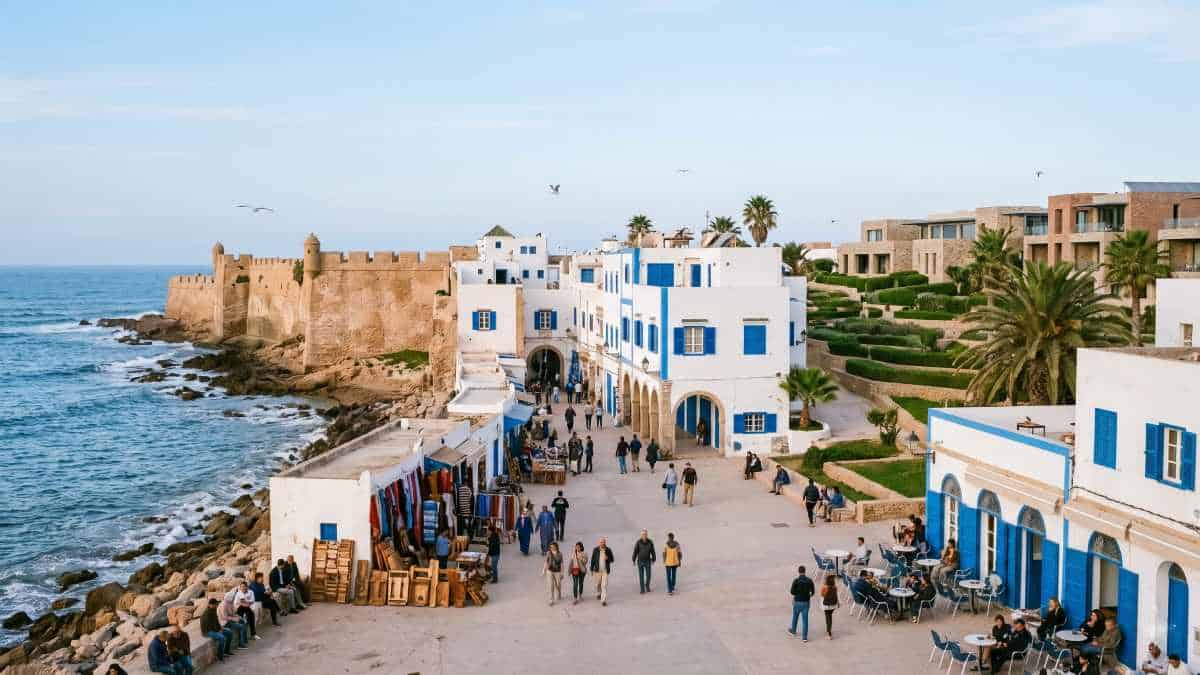
Global holiday migration patterns are being fundamentally transformed as crowded domestic gateways are steadily abandoned by transatlantic voyagers in favour of intercontinental itineraries. Over recent seasons, long-haul autumn travel has seen substantial reallocation toward the African continent during the Thanksgiving holiday bridge. While mature heritage hubs such as Marrakech are increasingly strained by severe infrastructure bottlenecks, speculative price inflation, and architectural thermal limitations, alternative models of regional dispersion are being actively cultivated. Authentic, sustainable, and structurally resilient holiday experiences are increasingly being secured across well-governed destinations, including Essaouira, Kigali, and Johannesburg, reshaping strategic expectations for international leisure travel.
The Geopolitical Shift in Autumn Holiday Migration
Transatlantic Aviation Yields and Long-Haul Thanksgiving Expansion
Predictable domestic migrations toward traditional family centres or short-haul Caribbean beach resorts were represented for generations by the late-November holiday corridor in North America. An unprecedented structural shift has been documented over recent seasons by international aviation analytics and border arrival statistics: intercontinental long-haul itineraries across the African continent are increasingly being executed by American holidaymakers during the annual Thanksgiving bridge. Intensive seven-to-ten-day urban getaways have been formed from what was historically restricted to extended northern hemisphere summer sabbaticals or multi-week December festive voyages.
Advertisement
Advertisement
A notable expansion in international tourist arrivals was demonstrated by official statistical releases from UN Tourism across the African continent, with a decisive regional benchmark being established by North Africa while post-pandemic recovery momentum was sustained by Sub-Saharan destinations. Aggressive responses to this trend have been mounted by commercial airline network planners. Dynamic revenue management systems are deployed by commercial carriers so that late November is treated as a lucrative long-haul pricing window, whereby the seasonal demand trough between early-autumn business travel and the Christmas period is effectively bridged.
Route profitability is consequently optimized by transatlantic airlines through capacity adjustments across primary African gateway airports. Point-to-point seasonal capacity and wide-body aircraft are deployed by network legacy carriers to maximize passenger yields rather than discounting transatlantic inventory during mid-November. High-net-worth travellers seeking the minimization of connection times during compressed annual leave allowances are captured through this corporate strategy. A direct manifestation of this strategy was exemplified by the scheduled non-stop route connecting Newark Liberty International Airport to Marrakech Menara Airport via Boeing wide-body aircraft.
Advertisement
Advertisement
Aviation Economics and Route Capacity Divergence
Substantial commercial variances between primary leisure gateways and diversified continental hubs are revealed by the aviation cost dynamics confronting transatlantic autumn travellers. Severe seasonal pricing surges during concentrated North American holiday dates are experienced by non-stop point-to-point services into dedicated leisure airports. Substantial peak tariffs and elevated fare inflation over baseline shoulder-season rates are frequently demonstrated by transatlantic seating into Marrakech during Thanksgiving week.
Conversely, international passenger traffic is absorbed through high-capacity, multi-carrier network competition across established continental hubs. Expansive long-haul infrastructure that blunts sudden capacity shortages is maintained by O.R. Tambo International Airport in Johannesburg, where dedicated long-haul routes are operated by major United States, European, and Gulf carriers. Meanwhile, operations within a high-value connectivity framework are conducted at Kigali International Airport under orchestration by the Rwandan government and RwandAir, whereby efficient long-haul transfers are ensured through primary European gateways.
Advertisement
Advertisement
The structural divergence observed across transatlantic routes indicates that while travellers bound for over-marketed tourist hubs are penalized by aviation yield algorithms, consistent seat supplies that moderate sudden rate shocks are maintained by broader continental nodes.
The Marrakech Mirage: Anatomy of an Overhyped City Break
Algorithmic Amplification and Medina Carrying Capacity
The intense concentration of North American autumn tourists in Marrakech is fundamentally driven by algorithmic amplification. Over the past five years, the ancient walled medina has been elevated by digital content algorithms into a visual shorthand for exotic luxury. Sun-drenched internal courtyards, hand-cut zellige tiles, and dramatic rooftop sunsets are showcased in high-engagement video loops and curated photo galleries. A fragile UNESCO World Heritage site has thereby been transformed into an idealized lifestyle backdrop.
Advertisement
Advertisement
Sudden demand spikes that cannot be absorbed by municipal infrastructure are created by this phenomenon of algorithmically engineered expectation. Record arrivals have been reported by the Moroccan Ministry of Tourism, Handicrafts and Social and Solidarity Economy and the Moroccan Tourism Observatory, with a substantial proportion of overall international guest overnights being absorbed by Marrakech. Significant passenger expansion has similarly been handled by Marrakech Menara Airport.
When thousands of international holidaymakers arrive simultaneously during the Thanksgiving travel bridge, severe spatial gridlock is experienced within the historical medina. Thoroughfares constructed centuries ago for pedestrian traffic and pack animals are inundated by tourists, commercial logistics handcarts, and motorbikes. The historical quarter is degraded by the resulting congestion, and an exhausting urban bottleneck is formed from what was promoted as an enchanting retreat. Persistent operational pressure is placed on municipal sanitation and transport services as the physical reality of the medina is strained under this carrying capacity deficit.
The Medina Riad Bubble: Thermal and Acoustic Realities
The commercial conversion of traditional domestic dwellings, known as riads, is situated at the centre of the Marrakech city-break trap. Private family homes arranged around a central open-air courtyard were originally engineered to provide domestic privacy and passive cooling during oppressive Saharan summers. Over recent decades, hundreds of these residential properties were converted into boutique guest houses. Luxury hotel suite tariffs in Paris or London are regularly matched by nightly rates in converted medina properties during Thanksgiving week.
However, direct conflict with late-autumn guest comfort is caused by inherent physical characteristics of historic riad architecture. Sharp diurnal temperature drops are experienced in late November due to proximity to desert margins. Because open central atriums designed to vent warm air upward are featured in historic riads, ambient interior warmth is rapidly lost through the courtyard roof. Central ducted heating, insulated window joinery, and modern thermal barriers are lacked by the vast majority of preserved properties. Reliance on small portable electric heaters that fail to warm cavernous, high-ceilinged masonry rooms is often forced upon guests paying luxury tariffs.
Advertisement
Advertisement
An equally disruptive structural deficit is represented by acoustic vulnerability. Sound is magnified by the traditional riad, which is built from dense brick, load-bearing lime mortar, and hard decorative plasterwork surrounding an echo-prone vertical courtyard. Everyday noises are reverberated through guest rooms in the absence of modern acoustic dampening materials. Suited private quarters are directly reached by the pre-dawn call to prayer from nearby minarets, the reverberation of footsteps along tiled galleries, and street chatter from adjacent stone alleyways.
Furthermore, the retrofitting of passenger lifts is prevented by historical preservation restrictions. Steep, winding stairways must be negotiated by visitors to reach multi-level terraces, while the hauling of heavy luggage on foot through unlit passageways after dark is necessitated by the prohibition of vehicular traffic inside medina walls.
Regulatory Overhaul: Moroccan Law 80-14 and Hospitality Compliance
Direct legislative intervention was prompted from the Moroccan government by these recurring structural deficiencies and uncurbed speculative pricing dynamics. Under Loi 80-14 governing tourist accommodation establishments, official implementing decrees were enacted by the Ministry of Tourism. Previous lifetime commercial lodging licences have been replaced by this comprehensive reform with mandatory operational renewals conducted every five to seven years.
Strict boutique hospitality regulations have been established by the legislation to ensure that subpar accommodations are not marketed as luxury retreats by property owners. Central to the regulatory apparatus is the introduction of unannounced mystery audits conducted by sworn inspectors so that structural safety, thermal management, hygiene standards, and operational quality can be verified. Operational downgrades or the revocation of commercial trading licences are faced by properties failing to satisfy quality standards.
Crucially, the informal lodging sector is directly targeted by the legal reform. Strict municipal registration requirements have now been imposed on unclassified holiday apartments and unregulated short-term rentals, which previously represented a major share of tourist overnights in primary Moroccan destinations. By establishing standardized star ratings for all lodging categories, including riads, guest houses, and heritage kasbahs, institutional accountability across historic medina districts is sought to be restored by the government ahead of major international sporting tournaments.
Commercial Fatigue and the Erosion of Cultural Authenticity
Commercial fatigue across Marrakech’s historic core has been accelerated by uncontrolled tourism density in addition to physical property deficits. In landmark zones such as Jemaa el-Fnaa square and adjacent market alleys, the historical relationship between master craftspeople and patrons has largely been supplanted by high-turnover tourist retailing.
Advertisement
Advertisement
Aggressive vendor solicitation, opaque pricing schemes, and unmetered transport rates are routinely encountered by international travellers navigating central thoroughfares. Genuine cultural engagement is undermined by this relentless commercialization. Constant commercial friction must be managed by autumn visitors who sought cultural relaxation. Reconsideration of holiday itineraries in favour of more balanced regional options is increasingly being prompted among sophisticated travellers by this disconnect between promotional digital marketing and lived reality.
Sustainable Alternatives: Regional Dispersion and High-Value Escapes
To counteract the structural strains of overtourism in mature gateways, capital and visitor flows are being reallocated across travel networks toward well-governed urban and coastal nodes across the continent. Compelling evidence is offered by destinations including Essaouira, Kigali, and Johannesburg that superior cultural authenticity, physical comfort, and economic value are delivered by sustainable regional management.
Essaouira: Coastal De-Concentration and Heritage Continuity
An effective operational counterweight to interior medina congestion is provided by the historic port city of Essaouira, located along the Atlantic coastline west of Marrakech. Access is provided via a highway transfer from Marrakech Menara Airport or through regional flight connections into Essaouira-Mogador Airport. An intentional destination dispersion strategy has been implemented by the coastal municipality under the Moroccan National Tourism Office and the Essaouira Provincial Tourism Council.
Consistent growth in passenger movements and stable room occupancy in classified establishments have been demonstrated by official civil aviation records and tourism observatory data. Essaouira’s distinct competitive advantage is derived from harmonious urban planning and a balanced hospitality economy:
- Temperate Maritime Climate and Ventilated Urban Design: The severe diurnal temperature swings that affect Marrakech are avoided in Essaouira due to the moderating influence of the Atlantic Ocean. Comfortable conditions are maintained during late-November days, while extreme evening drops are rarely recorded. Furthermore, a rational grid pattern is featured within the eighteenth-century medina laid out by Théodore Cornut for Sultan Mohammed ben Abdallah. Natural ventilation is facilitated and pedestrian gridlock is prevented by broad, straight arterial avenues.
- Equitable Pricing Structures and Authentic Hospitality: Stable shoulder-season tariffs are maintained by boutique hotels and converted traditional townhouses (dar) rather than steep holiday surcharges being imposed during Thanksgiving week. Exceptional aesthetic charm is offered without the speculative markups observed in Marrakech.
- Protection of Living Cultural Capital: Living heritage preservation is emphasized in alignment with the national Moroccan tourism roadmap. Structured municipal support is provided for the Gnaoua musical community, thuya woodworking guilds, and local fishing co-operatives. Exploitative vendor behaviour is curbed by established municipal trade associations, ensuring that respectful, high-quality cultural interactions are experienced by visitors.
Kigali: Master-Planned Precision and High-Value Eco-Tourism
An exceptional Pan-African alternative is provided by Kigali for international holidaymakers seeking modern public infrastructure, impeccable urban cleanliness, and progressive environmental governance. Mass-market tourism has been rejected by the Rwandan government under the regulatory framework of the Rwanda Development Board in favour of an institutionalized high-value, low-impact tourism strategy.
The economic viability of this approach has been validated by substantial national tourism revenues and expanding international air arrivals documented in official development reports. The core pillars supporting Kigali’s urban excellence include:
Advertisement
Advertisement
- Rigorous Civic Planning and Environmental Standards: Stringent urban development guidelines are enforced through the Kigali Master Plan. A calm, orderly holiday setting free of street harassment, informal peddling, and uncontrolled traffic snarls has been established through a long-standing national ban on non-biodegradable polythene bags combined with the nationwide civic tradition of monthly community service (Umuganda).
- Targeted Conservation Financing and Revenue Redistribution: Ecological degradation is deliberately prevented through premium pricing mechanisms, such as regulated permits for tracking endangered mountain gorillas in Volcanoes National Park. Broad community support for wildlife preservation has been cemented under the statutory Tourism Revenue Sharing Scheme, whereby direct financing is channelled into local communities bordering protected ecosystems for clean water systems, schools, and healthcare facilities.
- Cultural Resonance in the Green Season: Mild, pleasant temperatures and lush green landscapes are enjoyed by late-November visitors during the short rainy season. Meaningful engagement is offered through cultural institutions such as the Kigali Genocide Memorial, community-run craft enterprises, and specialty coffee cooperatives. Furthermore, world-class hospitality amenities without logistical friction are supplied by upscale international hotel properties.
Johannesburg: Continental Scale, Contemporary Art, and High-Yield Value
An innovative, culturally rich autumn getaway is offered by South Africa’s economic hub, Johannesburg, challenging outdated conventions. The city has evolved beyond its traditional role as an aviation transit waypoint into a major centre of contemporary African arts, architectural design, and gastronomy, with sustained inbound visitation from overseas travel markets being recorded by official statistics.
The primary economic and cultural drivers establishing Johannesburg as an exceptional holiday destination include:
- Favourable Exchange Rates and Purchasing Power Parity: Significant purchasing power advantages are delivered to travellers holding foreign reserve currencies within the South African Rand environment. Outstanding value relative to inflated European or Marrakech boutique lodgings is provided by luxury properties across premium districts such as Rosebank and Sandton, while multi-course degustation dining crafted by internationally recognized chefs is made available at accessible rates.
- Early Summer Climate and Urban Creative Energy: The onset of the southern hemisphere summer across the Highveld plateau is marked in late November by warm, sunny days and the blooming of jacaranda trees. Dynamic creative districts are flourished across the city, including contemporary fine art and sculpture galleries along the Keyes Art Mile in Rosebank, innovative fashion and artisanal roast-houses within Braamfontein and Maboneng, and deeply reflective historical exhibitions at Constitution Hill and the Apartheid Museum.
- Versatile Urban-Safari Connectivity: Seamless multi-experience schedules are permitted by Johannesburg’s geographic setting. Metropolitan gallery exploration and dining can be combined effortlessly with convenient overland journeys to malaria-free wildlife reserves located within short driving distances, including the Waterberg and Pilanesberg National Park, thereby eliminating the expense and stress of additional regional flights during compressed holidays.
Comparative Destination Assessment
| Analytical Dimension | Marrakech, Morocco | Essaouira, Morocco | Kigali, Rwanda | Johannesburg, South Africa |
| Primary Aviation Hub | Marrakech Menara Airport (RAK) | Essaouira-Mogador Airport (ESU) / RAK transfer | Kigali International Airport (KGL) | O.R. Tambo International Airport (JNB) |
| Aviation Capacity Stability | Holiday constraints and low-cost carrier bottlenecks | Expanding regional schedules and stable capacity | Reliable network partnerships and controlled capacity | High resilience via multi-carrier international wide-body hub |
| Late-November Climate | Desert margins; sharp evening temperature drops | Temperate maritime climate with mild coastal breezes | Short rainy season with mild temperatures and lush greenery | Early summer warmth, sunny days, and blooming jacarandas |
| Boutique Luxury Pricing | Inflated peak holiday tiers | Regulated shoulder-season rates | Managed eco-luxury tariffs | High purchasing power parity advantages |
| Building Infrastructure | Historic unheated riads with acoustic reverberation | Converted coastal homes with balanced light and ventilation | Purpose-built eco-lodges with complete modern amenities | Contemporary design hotels with full climate amenities |
| Commercial Street Friction | High intensity and persistent solicitation in central souks | Low to moderate commercial pressure in artisan quarters | Minimal street friction due to civic enforcement | Structured commercial nodes and private gallery precincts |
| Municipal Cleanliness | Strained by medina overtourism and solid-waste volume | Regular maritime cleaning and environmental maintenance | Pristine conditions supported by plastic bans and Umuganda | Maintained commercial precincts alongside variable urban cores |
| Overtourism Pressure | Critical saturation and infrastructure bottlenecks | Well-balanced regional dispersion equilibrium | High-value, low-density market management | Distributed metropolitan capacity with minimal crowding |
Strategic Implications for Destination Management and Global Tour Operators
The Structural Decoupling of Travel Reality from Algorithmic Hype
Fundamental lessons are yielded for tourism boards, international tour operators, and long-haul passengers by the sharp divergence between the Marrakech tourist bubble and the sustainable operations observed in Essaouira, Kigali, and Johannesburg. Travel decision-making has been decoupled from infrastructure reality by the dominance of algorithmic image platforms. Substantial capital is regularly allocated toward destinations based on stylized online clips while baseline parameters of municipal carrying capacity, seasonal temperature variations, and commercial saturation are overlooked.
When municipal destinations become captive to algorithmic virality, urban environments are placed under severe strain by uncontrolled seasonal tourist inflows. Residential housing stock is rapidly converted into short-term holiday rentals, local craft workshops are displaced by mass-produced tourist merchandise, and historical quarters are stripped of genuine community life. Consumer frustration and destination fatigue are ultimately sparked as the visitor experience is degraded.
It is therefore indicated that long-haul autumn itineraries must be constructed by professional tour planners and travel designers on the basis of thorough structural assessments rather than transient digital media trends. Clients can be protected from speculative seasonal price inflation while authentic comfort is secured through careful evaluation of property insulation, neighbourhood congestion metrics, and local administrative regulations.
Preparing Destination Infrastructure for Major Global Corridors
The necessity of state intervention for restoring institutional order within mature leisure markets is demonstrated by the regulatory overhaul implemented under Loi 80-14 in Morocco. As preparations are advanced to co-host the FIFA World Cup 2030, the threat posed to international standing by unregulated accommodation models, deficient winter insulation, and unverified luxury marketing has been recognized by the government.
Advertisement
Advertisement
Decisive measures to protect consumer interests are being executed by Moroccan authorities through standardized star ratings across all lodging categories, unannounced mystery audits, and regulatory penalties against non-compliant holiday rentals.
However, extended time is required for structural reforms to take full effect across historic quarters. Prudence must be exercised by transatlantic travellers visiting during autumn shoulder seasons until necessary acoustic upgrades, heating installations, and transparent billing standards are completed across traditional accommodations. Genuine rejuvenation rather than urban frustration is ensured when well-regulated regional hubs are chosen—whether coastal Moroccan towns that distribute economic benefits, East African capitals that balance conservation and modern municipal order, or Southern African cultural centres offering exceptional value.
Pan-African Thanksgiving travel reflects an enduring structural shift away from overhyped, congested city breaks toward authentic cultural engagement and superior value. Bypassing saturated urban bottlenecks in favour of well-governed destinations like Essaouira, Kigali, and Johannesburg ensures climatic comfort, equitable pricing, and resilient infrastructure for modern transatlantic holidaymakers.
Conclusion
Pan-African Thanksgiving travel signals a shift toward authentic experiences, better value, and sustainable destination management. While Marrakech faces mounting pressure from overcrowding and rising prices, Essaouira, Kigali, and Johannesburg offer compelling alternatives. Stronger infrastructure, responsible tourism policies, and regional diversification could reshape long-haul holiday choices for future international travellers.
Advertisement
