
UK Autumn Travel Boom Expands As Yorkshire, Lake District And Wales Drive 78% Staycation Demand Despite Rising Costs And Weather Risks

Published
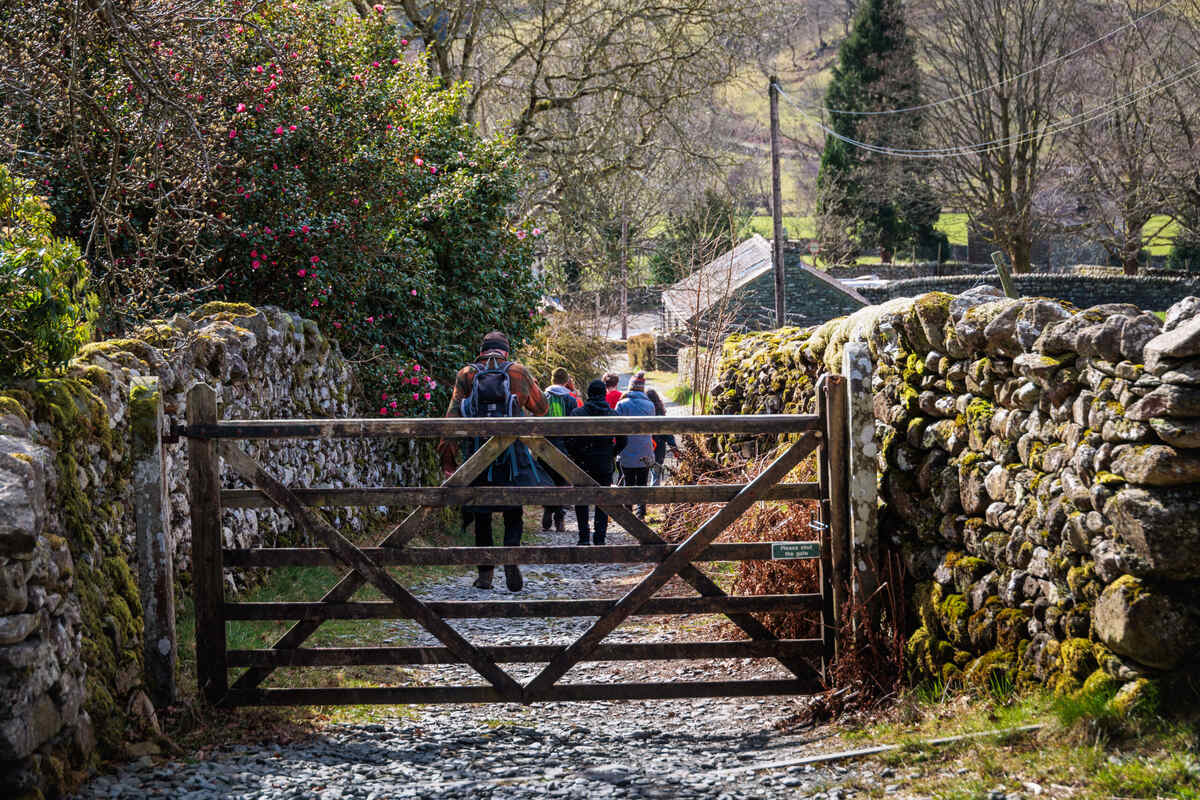
The UK’s autumn travel market is expected to be very busy, with 78% of British adults planning to take a overnight trips from home. People are planning trips to places like Yorkshire, the Lake District, and Wales, as well as the Highlands of Scotland. Many British people still want to take trips, even if the costs of holidays and everyday living have increased, and there is unpredictable weather. People want to do more, see more, and do it all for less. So, people are taking more short trips and choosing where to go based on what is cheapest.
In the past, many British people took just a few big trips each year. Now many people are taking several smaller trips. These smaller trips are called “micro-cations.” The British people’s desire to take multiple shorter trips means that the British travel market is larger than it has been in past years. British destinations have a good opportunity to gain and keep customers if they can give a good variety of things to do. Some customers will want to go to the country, while others will want to go to the city and still others will want to go to the beach.
Advertisement
Advertisement
UK Travellers Continue Choosing Autumn Staycations Despite Economic Pressure
The latest domestic travel sentiment data reveals strong confidence in autumn travel demand, with more than three quarters of UK adults planning at least one overnight domestic trip. This indicates that travel remains a priority for consumers, even as households continue managing higher everyday expenses.
The trend reflects a wider change in travel behaviour across the UK. Instead of completely reducing leisure spending, many travellers are reallocating budgets and choosing destinations that provide better value. Short domestic breaks are becoming increasingly popular because they require less planning, lower transport costs and fewer days away from work. One-to-three-night stays are allowing travellers to enjoy autumn experiences while maintaining tighter control over spending.
Advertisement
Advertisement
Popular choices include:
- Countryside escapes surrounded by autumn landscapes
- National park breaks focused on walking and outdoor activities
- Coastal stays offering seasonal scenery and local experiences
- Heritage destinations featuring museums, castles and cultural attractions
- City breaks with indoor entertainment options
Regions such as Yorkshire, the Lake District, Wales and the Scottish Highlands are benefiting from this trend because they combine natural beauty with year-round tourism products. These destinations continue to attract visitors through landscapes, local food, historic attractions, outdoor activities and unique seasonal experiences that appeal strongly during autumn.
Advertisement
Advertisement
Weather Becomes The Biggest Concern Shaping UK Autumn Holiday Decisions
Although travel demand remains strong, autumn weather continues to influence where and how people choose to travel. According to domestic travel sentiment findings, weather is the largest barrier affecting autumn travel decisions, with 35% of respondents identifying UK weather conditions as a concern.
Autumn travel in Britain has always been closely connected with weather conditions. Rainfall, colder temperatures, storms and sudden weather changes can affect outdoor activities, especially in countryside and coastal destinations. This is encouraging travellers to select destinations with more flexible experiences. Areas offering a combination of outdoor attractions and indoor activities are becoming increasingly attractive.
Travel planning is now focusing more on destinations that can provide alternatives during poor weather, including:
| Traveller Preference | Tourism Response |
|---|---|
| Weather flexibility | Destinations promoting indoor attractions, museums and cultural experiences |
| Shorter stays | Weekend breaks and two-night packages |
| Value-focused travel | Affordable accommodation and seasonal offers |
| Easy accessibility | Driving-distance destinations |
The impact of weather concerns does not mean travellers are avoiding autumn holidays. Instead, it is changing destination selection and encouraging tourism businesses to create more adaptable visitor experiences.
Rising Costs Push Travellers Towards Smarter Domestic Holiday Planning
Cost remains another major challenge affecting the UK autumn travel market. The domestic sentiment data shows that 29% of travellers are concerned about the rising cost of living, while 28% highlight increasing holiday and leisure prices as a barrier. While domestic travel avoids international flight expenses, accommodation prices, food costs and attraction fees continue to influence holiday budgets.
Hotels and tourism businesses across popular UK destinations are experiencing pressure as travellers compare prices more carefully before booking. Many visitors are now adjusting their spending habits through practical choices such as:
Advertisement
Advertisement
- Booking shorter stays
- Travelling during weekdays instead of peak weekends
- Choosing self-catering accommodation
- Reducing restaurant spending
- Selecting destinations closer to home
The financial pressure is also affecting the number of trips travellers take. Around 26% of respondents indicated plans to reduce the total number of overnight trips, while 32% planned to cut down on day trips because of higher costs. This shows that demand for travel remains strong, but consumers are becoming more selective and budget-conscious.
UK Tourism Records Higher Spending As Visitors Take Fewer But More Valuable Trips
The changing travel landscape is creating a significant shift in domestic tourism performance. UK travellers are spending more during each journey, but the overall number of trips has declined. Domestic tourism data shows total visitor spending reached approximately £78 billion, representing a year-on-year increase of 3%.
However, domestic overnight trip numbers decreased by around 3% to 87 million trips. At the same time, average spending per overnight trip increased to approximately £333, representing a 9% rise.
| Domestic Tourism Indicator | Latest Performance |
|---|---|
| Total domestic tourism spend | £78 billion |
| Year-on-year spending growth | +3% |
| Overnight trips | 87 million |
| Change in trip volume | -3% |
| Average overnight trip spend | £333 |
| Average spend growth | +9% |
The figures demonstrate a tourism market where visitors are prioritising quality over quantity. Travellers are taking fewer breaks but spending more on experiences, accommodation and activities during each journey. For destinations, this creates an opportunity to focus on higher-value tourism products rather than depending only on visitor numbers.
UK Cities Gain Autumn Tourism Advantage With Weather-Proof Attractions
While rural landscapes remain central to autumn tourism, cities are gaining popularity because they provide more reliable experiences regardless of weather conditions. Large towns and cities accounted for 51% of domestic overnight stays, showing increasing demand for urban travel experiences.
Cities offer travellers a wide variety of attractions, including:
Advertisement
Advertisement
- Museums and galleries
- Theatre performances
- Shopping districts
- Restaurants and food markets
- Historical landmarks
- Indoor entertainment venues
This makes urban destinations particularly attractive during autumn when weather uncertainty can affect outdoor plans. Traditional seaside destinations have experienced pressure, with their share of overnight trips declining by 18%. Changing weather preferences and demand for more flexible activities are influencing this shift. However, coastal areas continue to hold strong appeal when they provide broader tourism experiences beyond beaches, including heritage attractions, food tourism and cultural events.
Car-Based Travel Strengthens Demand For Regional UK Destinations
Transport behaviour is also shaping the future of domestic tourism. Around 65% of overnight travellers use private vehicles, highlighting the importance of road-accessible destinations. The continued popularity of driving holidays supports the growth of nearby escapes where travellers can reach destinations without expensive transport arrangements.
This trend benefits regions such as Yorkshire, the Lake District and Wales, where accessibility, natural attractions and local experiences combine to create strong autumn tourism appeal. Car-based travel provides visitors with greater flexibility, allowing them to adjust plans based on weather conditions and explore multiple attractions during shorter breaks. The rise of local and regional travel also supports smaller communities by distributing tourism spending beyond major cities.
Autumn Travel Market Moves Towards Flexible And Experience-Led Tourism
UK Autumn Tourism expects customers to want to travel, but to be more choosy about how they spend their money and the length of their trips. It expects the demand to be for trips to more than one location which can be taken in a relatively short time and which provide a range of activities. It is expected that to some extent the UK can meet the needs of travelers seeking a variety of activities. What will be more challenging is for the UK to meet the needs of travelers for affordable and flexible activities and trips that can be taken in all types of weather.
In order for UK destinations to have a chance of capturing the needs of the traveler seeking diverse activities, they should be flexible and consider what can be charged for varied stay activities. Furthermore, domestic tourism is helping to understand what activities travelers would be interested in doing during off-peak travel times. Based on this, it is expected travel will continue to increase in fall in UK.
Advertisement
