
UK Teams Up with Ireland And More Elevates Maritime Tourism via Landmark River Mersey Fleet Upgrade

Published
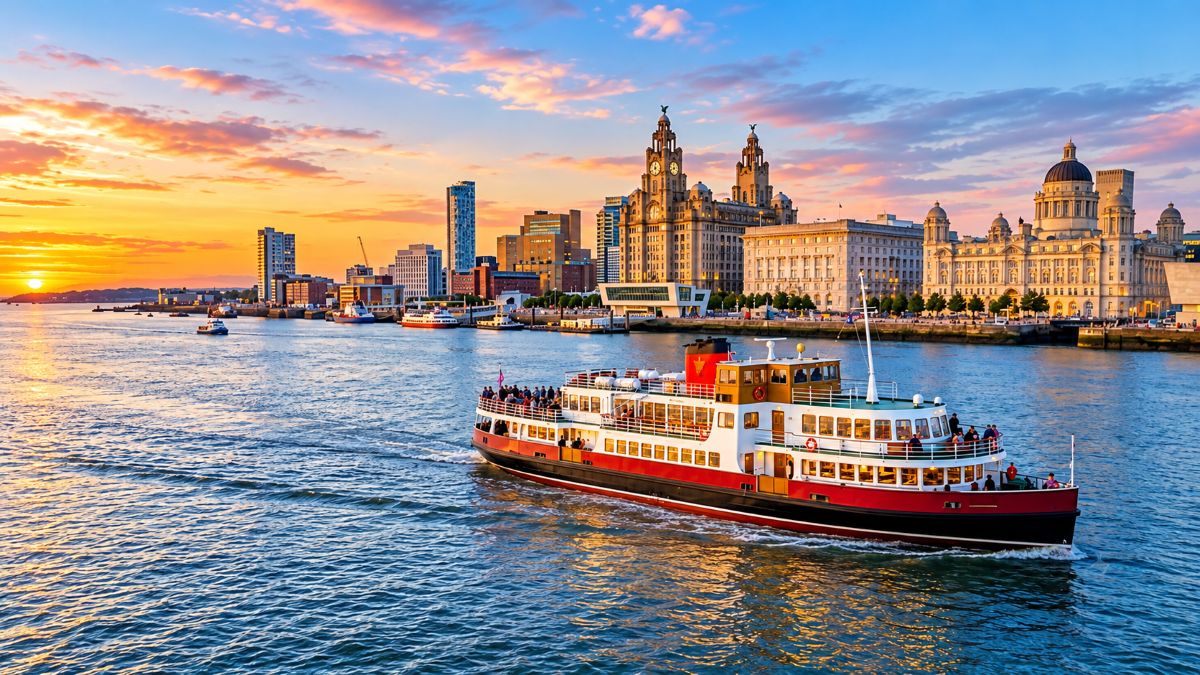
The new Mersey ferry Royal Daffodil sailing past the historic Liverpool waterfront skyline
The majestic River Mersey has witnessed centuries of maritime heritage, yet autumn brings an unprecedented milestone for travellers exploring northwest England. Mersey Ferries has officially welcomed its first brand-new passenger vessel in more than six decades, heralding an ambitious renaissance across Britain’s historical coastal waterways. Christened the Royal Daffodil, this state-of-the-art vessel represents a monumental twenty-six-million-pound investment delivered by regional authorities to modernise public transit and enhance sustainable leisure navigation. The launch unites visitor networks from across the United Kingdom, Ireland, and continental Europe, creating seamless connections between lively urban quaysides and tranquil maritime vistas.
For seasoned wanderers and daily commuters navigating between Liverpool’s Pier Head and Seacombe on the Wirral peninsula, the arrival signals a dramatic transformation in cross-river transport. While honouring the legendary tradition of river crossings that stretch back eight hundred years to medieval monks, this bespoke vessel delivers twentieth-first-century environmental standards and passenger comfort. Tourism boards throughout Britain are collaborating closely with cross-channel and Irish Sea operators to leverage this development, positioning the historic estuary as a flagship destination for experiential cultural tourism. Travellers can now anticipate breathtaking panoramas of iconic architectural landmarks while gliding along waterways celebrated globally in folklore, song, and industrial history.
Advertisement
Advertisement
Historical Foundations and Regional Maritime Heritage
To appreciate the significance of this vessel, one must examine the profound legacy of river transit across the Mersey. Cross-river passages originated in the twelfth century, when Benedictine monks operated small wooden craft to shuttle travellers between the Wirral shore and emerging merchant quarters. Through the Industrial Revolution and Victorian golden age, ferries formed the economic pulse of northwest Britain, steering dock workers, global cargo, and holidaymakers through shifting tides.
Over the decades, the colourful fleet earned global renown, immortalised by mid-twentieth-century popular culture and cherished by generations of sightseers. However, operating ageing tonnage across rigorous estuarine waters presented mounting preservation challenges. The commissioning of the Royal Daffodil bridges authentic municipal heritage with contemporary naval architecture, ensuring that this living monument continues serving future generations without losing its distinctive soul.
Advertisement
Advertisement
Architectural Craftsmanship and Modern Onboard Amenities
Constructed directly on the banks of the river at the historic Cammell Laird shipyard in Birkenhead, the vessel embodies outstanding British engineering expertise. Local shipwrights, naval architects, and maritime apprentices worked tirelessly to realise an ambitious vision that honours tradition while integrating sophisticated engineering standards. The exterior proudly wears the fleet’s signature livery of red, white, and black, presenting an immediately recognisable silhouette against the dramatic backdrop of the Royal Liver Building and Cunard Building.
Stepping aboard reveals an environment crafted specifically for discerning global travellers and busy commuters alike. Expansive open-plan decks boast adjustable panoramic windows that allow unobstructed sightseeing regardless of unpredictable coastal weather. Plush contemporary lounges, fully licensed bars serving artisanal regional refreshments, and accessible universal facilities elevate the standard passenger experience. Practical necessities have received equal priority, featuring dedicated cycle parking racks, integrated electronic charging portals, and comprehensive storytelling displays detailing river ecology and naval trade.
Advertisement
Advertisement
| Fleet Specification | Royal Daffodil Feature | Historic Fleet Standard |
| Total Project Investment | Twenty-six million pounds | Incremental heritage maintenance |
| Construction Location | Cammell Laird, Birkenhead | Varied regional and external yards |
| Passenger Decks | Dual accessible decks with lift | Multi-level with steep companionways |
| Viewing Facilities | Heated panoramic lounges and open timber deck | Enclosed cabins with fixed portholes |
| Cycling and Green Transit | Dedicated cycle bays and low-emission systems | Limited ad-hoc storage space |
| Accessibility Standard | Step-free transit, baby care, sensory displays | Basic physical boarding arrangements |
Sustainable River Transport and Tourism Expansion
Modern tourism strategies require deep ecological accountability, and the new vessel sets a progressive benchmark for British inland waterways. Naval engineers integrated advanced hydrodynamic hull geometry to minimise wake disruption along sensitive estuarine habitats, substantially reducing fuel consumption and greenhouse gas emissions. The vessel acts as an inspiring proof of concept for greener transit corridors across European urban waterways, aligning with international climate objectives.
Connecting Seacombe and Liverpool within minutes, the vessel significantly eases highway congestion while offering a peaceful alternative for leisure navigation. Visitors journeying through Great Britain and Ireland can integrate the crossing into expansive cultural itineraries, incorporating UNESCO-accredited music heritage, renowned art institutions, and Victorian dockland architecture into a single unified journey.
Seamless Passenger Experience and Universal Accessibility
A primary consideration in drafting the blueprints was universal accessibility for every segment of society. Maritime transit historically posed mobility hurdles due to narrow companionways, steep gangways, and shifting river swells. The Royal Daffodil addresses these challenges directly through wide, step-free access ways, expansive automated doors, and a bespoke passenger lift linking the main interior lounge directly to the upper viewing platforms.
Travellers navigating with wheelchairs, pushchairs, or touring bicycles can move unhindered across all public spaces. The upper open deck features traditional timber bench seating designed to evoke maritime nostalgia while affording exceptional sightlines for photography. Interactive interpretive boards offer multi-sensory insights into the port’s historical triumphs, making the voyage both informative and universally welcoming.
Strengthening the Waterfront Visitor Economy
The arrival of the vessel creates substantial economic ripples throughout the wider regional economy. Waterfront dining establishments, boutique hotels, and independent merchants situated across both shores are experiencing heightened visitor engagement as maritime enthusiasts arrive to witness the new fleet flagship. By establishing an attractive, reliable transit conduit, visitors are encouraged to expand their exploration beyond primary city centres into coastal communities like New Brighton and Port Sunlight.
International visitors arriving via cross-channel routes or transatlantic flights find in the ferry an affordable, authentic gateway to explore British identity. As global travel patterns increasingly favour meaningful local experiences over hurried commercial attractions, this modern classic delivers an unforgettable journey through industrial resilience and enduring civic pride.
Advertisement
Advertisement
What is the Royal Daffodil?
The Royal Daffodil is the first brand-new passenger ferry commissioned for the world-famous Mersey Ferries fleet in more than sixty years.
Where was the new ferry built?
The vessel was constructed directly on the River Mersey at the historic Cammell Laird shipyard located in Birkenhead.
How much did the construction of the vessel cost?
The comprehensive design and shipbuilding programme represented a regional capital investment of twenty-six million pounds.
Advertisement
Advertisement
What routes does the Royal Daffodil operate?
The ferry operates essential cross-river commuter crossings between Liverpool and Seacombe alongside popular daytime sightseeing river cruises.
When does the vessel begin full public operations?
Following its ceremonial inauguration in late September, the ferry enters active scheduled passenger service during early autumn 2026.
What modern passenger amenities are available on board?
Passengers can enjoy panoramic climate-controlled lounges, licensed bars, universal lift accessibility, cycle storage, device charging points, and open timber viewing decks.
Advertisement
Advertisement
Is the ferry suitable for travellers with reduced mobility?
Yes, the vessel incorporates step-free gangways, wide corridors, dedicated accessible rest facilities, and an internal passenger lift connecting multiple decks.
How does the vessel honour maritime heritage?
The exterior is painted in the historic Mersey Ferries red, white, and black livery, while the interior features curated historical storytelling boards.
Can passengers transport bicycles on the river crossing?
Dedicated bicycle parking areas are integrated directly onto the main deck to accommodate active commuters and touring cyclists.
Advertisement
Advertisement
How can international visitors purchase tickets for the crossing?
Travellers can secure tickets in advance through official ticketing platforms or obtain them directly at the Liverpool Pier Head and Seacombe ferry terminals.
Advertisement
