
Malta Proves That Sustainable Travel Wins Big When Destinations Prioritize Long-Term Economic Value, Find Out Now

Published
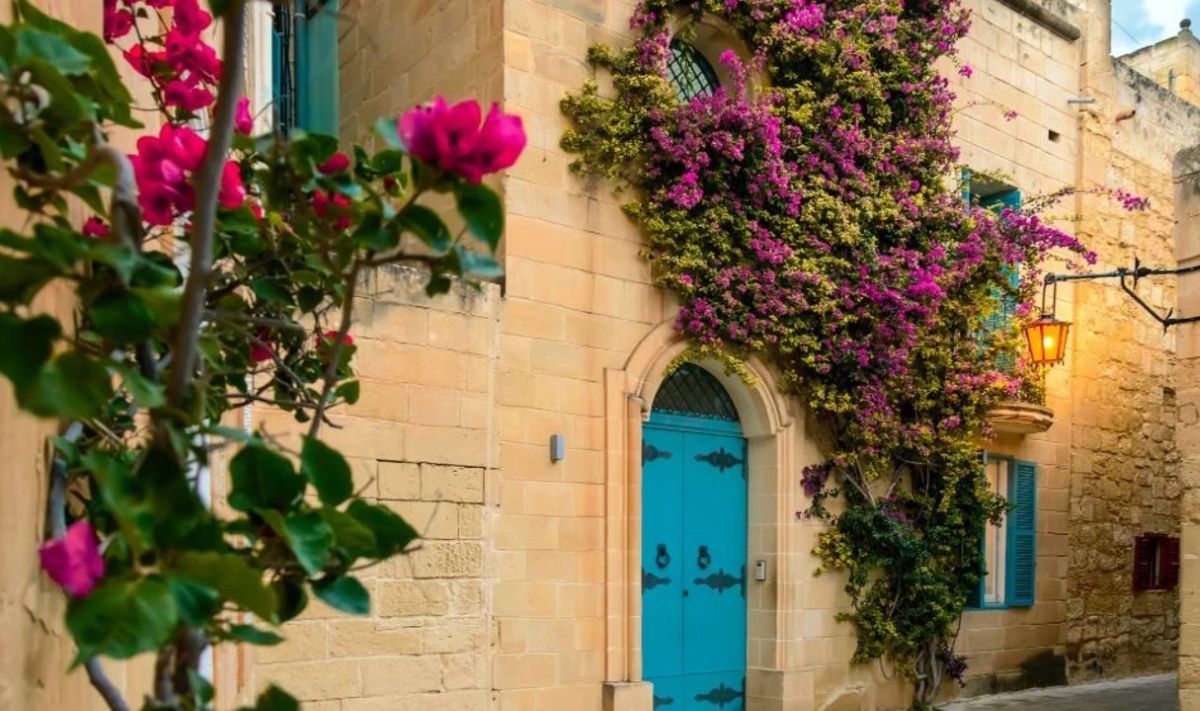
Image Credit traveldepartment.ie
While July is a month for travels, it creates anxiety with the migratory movements of the masses to man made/artificial representations of other people’s realities. We all get tired of being part of others’ dynamics which we have no say over. Should we not allow others the opportunity to be part of a system which they have control over? Should we not give over represented, and perhaps tired, countries an opportunity to be relaxing and peaceful? Not all revolutions must be by the sword. What has Malta done recently has been true revolutions. In 2025, of the 16.8% of GDP which Tourism accounted for, the EU published its findings. Other member states of the EU have Tourism averaging at 2.6% of their GDP. There is a reason why Malta’s Tourism is booming while others are stagnant. The people of the world want true/authentic/real places.
The Dawn of a New Era in European Tourism Economics and Strategic Excellence
Tourism landscapes across the European continent are currently undergoing a massive transformation, shifting how economists view regional hospitality markets. Observers have noted that Malta recorded the largest annual increase in Travel & Tourism’s total GDP contribution of any European economy in 2025. Furthermore, detailed financial reports indicate a staggering 16.8% economic growth, completely dwarfing the broader European average of 2.6%. This remarkable financial surge highlights how smaller sovereign nations can punch above their weight class through meticulous planning and deliberate execution. Industry analysts emphasize that such financial leaps do not happen by accident; they require visionary structural changes that redefine traditional economic models. Consequently, global experts are looking closely at these figures to understand how modern destinations can thrive in an increasingly competitive global marketplace, setting a high standard for economic resilience and financial vitality across the entire region.
Advertisement
Advertisement
Building upon this profound financial triumph, industry insiders explain that this massive economic expansion stems directly from deliberate structural choices implemented within the national tourism blueprint. Observers point out that the strategy intentionally prioritized value over volume instead of chasing endless crowd numbers, while simultaneously championing year-round access to eliminate dangerous dependencies on traditional summer peaks. To make this all-season accessibility a reality, aviation partners were actively brought in to establish and maintain robust off-season airline routes.
This clever logistical maneuvering ensured that local businesses, hotels, and cultural sites remained active and profitable throughout the colder months. Therefore, the destination successfully transformed what used to be dead seasons into vibrant economic periods, proving that smart connectivity can completely reshape modern travel patterns and seasonal business cycles.
Advertisement
Advertisement
Unprecedented Visitor Surges and Global Travel Industry Implications
The tangible results of these strategic choices are vividly reflected in the phenomenal expansion of incoming international visitors over recent years. Reports reveal that international arrivals skyrocketed from 2.75 million in 2019 to more than 4 million in 2025, marking a monumental milestone for the local hospitality sector. Travel analysts suggest that this influx demonstrates how effectively the island nation managed to capture global travel demand without sacrificing the quality of the visitor experience. Moreover, these rising numbers signal a broader shift in consumer behavior, as modern travelers increasingly seek out destinations that offer authentic, year-round engagement rather than overcrowded seasonal hotspots. This steady stream of visitors has injected massive capital into local communities, validating the long-term vision of leaders who refused to compromise on quality for the sake of short-term numbers.
Advertisement
Advertisement
Looking at the wider picture, these impressive developments carry profound implications for the global travel industry at large. International tourism stakeholders are now viewing Malta as a vital reference point for how destinations worldwide can successfully balance robust, aggressive tourism growth with true quality, environmental and cultural sustainability, and continuous year-round value creation.
As other nations struggle with over-tourism and seasonal burnout, this Mediterranean success story offers a blueprint for sustainable modernization. Travelers around the globe will likely benefit from this shift, enjoying more balanced pricing, better availability during non-traditional months, and enhanced cultural offerings. Ultimately, the lessons learned from this economic leap will influence global tourism policies for years to come, encouraging destinations everywhere to rethink how they manage capacity, connectivity, and long-term economic health.
Preparing for the Landmark WTTC Global Summit in Valletta
The culmination of this extraordinary economic and strategic journey will soon take center stage in the heart of the nation. Official announcements confirm that this October, the prestigious 26th WTTC Global Summit will take place in Valletta, right in the capital of the economy that is currently outpacing the entire continent. Industry leaders, policymakers, and global tourism executives will gather in this historic city to discuss the future of international travel, drawing direct inspiration from local achievements. Hosting such a high-profile event places the destination firmly in the global spotlight, allowing local officials to showcase their innovative models to the world. It serves as a powerful testament to how far the nation has come in positioning itself at the very forefront of international travel excellence and economic leadership.
Advertisement
Advertisement
As preparation for the summit reaches its peak, the international travel community is buzzing with anticipation regarding what discussions will unfold. Experts predict that the conversations held in Valletta will heavily focus on replicating these remarkable achievements on a global scale, addressing challenges related to climate change, seasonal distribution, and economic equity. Attendees will have the unique opportunity to witness firsthand the infrastructure and strategic mindset that generated a 16.8% GDP contribution surge. This gathering is not merely a celebration of past victories, but a crucial launching pad for future innovations. By hosting the summit, the island solidifies its legacy as a true pioneer, ensuring that the dialogue shaped in its historic capital will guide the next chapter of global travel evolution.
Transforming Regional Mobility Through Innovative Aviation Networks and Off-Season Airline Route Integration
Contemporary regional growth relies heavily on sturdy airline partnerships to secure continuous commercial viability well beyond traditional holiday windows. Aviation channels were proactively expanded across Malta to create dependable off-season flight corridors, turning conventional travel lulls into productive operational phases. Logistics coordinators collaborated closely with global carriers to preserve frequent flight frequencies into Valletta and surrounding municipal districts during colder months. This tactical planning ensured local lodging providers sustained steady room occupancy instead of enduring drastic winter slowdowns. Consequently, structural aviation integration emerged as the backbone of year-round accessibility across the broader Mediterranean territory. Transportation specialists note that preserving affordable seat allocations throughout non-peak quarters avoids regional inflation while encouraging consistent annual mobility.
Building on these expanded transport networks, travel planners observed a profound change in how incoming vacationers organize their regional getaways. Instead of crowding into tight midsummer blocks, tourists began utilizing fresh flight itineraries to inspect historical monuments during peaceful spring and autumn weeks. Airline telemetry confirmed that passenger occupancy during historically dormant stretches rose notably, validating substantial financial commitments poured into pathway expansion. Regional tourism bureaus highlighted that dispersing arrivals across all twelve months drastically relieved strain on shoreline utilities, water grids, and municipal traffic networks. Therefore, sophisticated flight route engineering successfully decoupled financial growth from the frantic strains associated with peak-season overcrowding.
Restructuring National Economic Frameworks via Prioritizing High-Value Metrics Over Mere Visitor Volume
Economic endurance throughout modern island territories hinges on favoring high-yield expenditures over raw visitor headcounts to shield local ecosystems. Policy architects in Malta deliberately abandoned conventional mass-tourism quotas to embrace financial models centered strictly on value over volume. Financial statistics confirmed that this strategic shift yielded a historic 16.8% annual GDP surge in 2025, comfortably beating the wider European average of 2.6%. Boutique inns, upscale cultural exhibits, and specialized dining ventures thrived under this refined fiscal system, drawing sophisticated travelers who value indigenous heritage. Economists stress that prioritizing high-spending visitor demographics optimizes local turnover while shrinking the ecological pressure typically linked to mass tourism.
Advertisement
Advertisement
Additionally, this conscious pivot toward high-yield economic streams reshaped how small enterprises fund customer service standards and personnel training initiatives. Hospitality business owners directed higher profit margins toward facility modernizations, green technologies, and competitive annual wages for local employees. Staff retention improved markedly across Valletta and historical neighborhoods as seasonal layoffs plummeted to record lows. Market analysts emphasize that when destinations prioritize economic quality over simple crowd counts, entire communities experience a much fairer distribution of shared wealth. This sustainable fiscal balance secures long-term prosperity without alienating residents or compromising the unique historical identity of the host nation.
Managing Massive International Visitor Influxes and Navigating Complex Demographic Shifts
Accommodating an explosive escalation in global visitors demands advanced destination control instruments to protect the integrity of historical urban cores. International arrival statistics for Malta reveal a monumental climb from 2.75 million guests in 2019 to exceeding 4 million travelers by 2025. This significant influx introduced diverse demographic cohorts from across the European continent and beyond, all eager to experience authentic Mediterranean culture. Destination stewards deployed advanced crowd-tracking systems to supervise visitor density around vulnerable heritage sites, guaranteeing that ancient ruins and coastal preserves stayed safe from excessive wear. By distributing pedestrian traffic smoothly across lesser-known villages and municipal quarters, local officials maintained an ideal balance between tourism commerce and residential tranquility.
Beyond handling physical capacities, local tourism boards tailored their marketing campaigns to attract travelers committed to cultural preservation and ecological mindfulness. Modern visitors touching down at international checkpoints displayed a clear preference for immersive heritage trails, eco-friendly lodgings, and genuine local culinary traditions. This behavioral evolution among guests demonstrated that targeted communication campaigns successfully educated the international public regarding responsible travel habits. As a result, the local hospitality market recorded higher visitor satisfaction ratings, extended average stays, and an unprecedented surge in returning travelers who viewed the island as a cherished second home rather than a temporary vacation stop.
Championing Comprehensive Environmental and Cultural Sustainability Across Mediterranean Ecosystems
Ecological defense and cultural safeguarding establish the foundational bedrock for long-term viability among vulnerable island environments addressing shifting global climates. Stakeholders throughout Malta embedded strict environmental mandates into every level of their hospitality development strategy to protect fragile shoreline habitats. Waste minimization protocols, renewable energy integration in hotels, and marine preservation programs transformed into mandatory requirements for all tourism business licenses. Observers monitoring these rigorous benchmarks noted that true sustainability demands active cooperation among government authorities, independent hotel owners, and incoming tourists. By treating ecological care as a vital economic asset rather than a regulatory chore, the destination firmly established itself as a global model for environmental accountability.
Advertisement
Advertisement
Complementing these green efforts, cultural heritage preservation projects secured substantial funding sourced straight from tourism-driven GDP contributions and municipal grants. Historic fortifications, traditional artisanal workshops, and ancient folkloric celebrations throughout Valletta underwent meticulous restoration to ensure future generations could appreciate them. Cultural preservationists emphasized that living local traditions must remain dynamic and approachable rather than morphing into synthetic tourist shows. Tourists interacting with these genuine cultural expressions reported deeper emotional ties to the destination, which cultivated an immense worldwide respect for local identity, architectural legacy, and historical continuity across the entire Mediterranean basin.
Preparing to Host the Prestigious 26th WTTC Global Summit in Valletta
International prestige and diplomatic standing hit peak levels as preparations accelerated for a landmark gathering inside the nation’s historic capital. Official schedules confirmed that Valletta is hosting the prestigious 26th WTTC Global Summit this October, welcoming industry leaders, international lawmakers, and worldwide tourism executives. Selecting the capital city of an economy currently outperforming the continent acted as a striking endorsement of local administrative foresight and economic strength. Event planners coordinated high-level panel discussions focusing on climate adaptation, fair labor progression, and modern destination management models. Staging this monumental event positioned the island firmly at the heart of global trade conversations, cementing its status as an intellectual powerhouse within the international travel community.
As international delegations finalized their travel plans, local infrastructure underwent careful modernization to accommodate high-profile summit participants while ensuring smooth operations for everyday travelers. State-of-the-art conference venues inside Valletta received advanced digital capabilities and eco-friendly power systems to mirror the core sustainability values of the summit. Travel leaders predicted that the cooperative frameworks built during these focused meetings will directly influence worldwide travel policies for the upcoming decade. For the host nation, the summit represents not just a celebration of past economic triumphs, but a vital opportunity to build enduring international partnerships that will power future waves of travel innovation.
Global Impacts of Sustainable Regional Models on International Travelers Worldwide
Shifting regional tourism structures toward all-season equilibrium and high-value experiences generates deep, positive ripple effects for vacationers across the globe. International travelers navigating the contemporary global tourism arena increasingly benefit from destinations that reject overcrowding in favor of structured capacity governance. Rather than encountering inflated peak-season pricing and booked-out facilities during rigid summer holiday stretches, consumers now enjoy flexible scheduling choices throughout spring and autumn. This democratization of holiday timing empowers families, remote workers, and retirees to investigate cultural landmarks without battling extreme heat or stressful logistics. The pioneering framework forged in Malta demonstrates that global travelers desire balanced, genuine, and unhurried vacation environments above all else.
Advertisement
Advertisement
Furthermore, these structural transformations inspire tourism boards across other continents to reevaluate their own capacity caps, pricing clarity, and ecological stewardship vows. As global consumers grow increasingly ecologically minded, they actively seek destinations demonstrating authentic dedication to carbon reduction, fair labor standards, and community enrichment. The proven triumph of all-season accessibility reassures travelers that their holiday budgets directly support year-round livelihoods for residents instead of temporary seasonal workers. Ultimately, the worldwide travel community progresses toward a more mature, equitable, and sustainable era, driven by the clear realization that quality and ecological accountability represent the true drivers of long-term economic survival.
The Final Verdict
We missed the vacations we cancelled, of course. But we had the time of our lives in Malta, and we are so thankful we had the opportunity to go. Seeing new places makes us believe that there are amazing areas that are still unspoiled and untouched by overcrowding. It gives us hope that you don’t have to clutter your area with hotels and block your beaches to have a successful industry. Of course your beaches should be full during the peak season, but off season should give your locals a chance to enjoy your area as well.
During the peak season, locals should be able to use the main attractions as well. Travel opens new opportunities for people to see new wonders of the world. Travel changes people, and when people travel, it gives an opportunity for the people of the world to interact with each other and serve as each other’s hope. Travel changes people and improves the economy.
Advertisement
