
South Korea and More Drive New Zealand Film Tourism with Six-Day Screen Adventure Route

Published
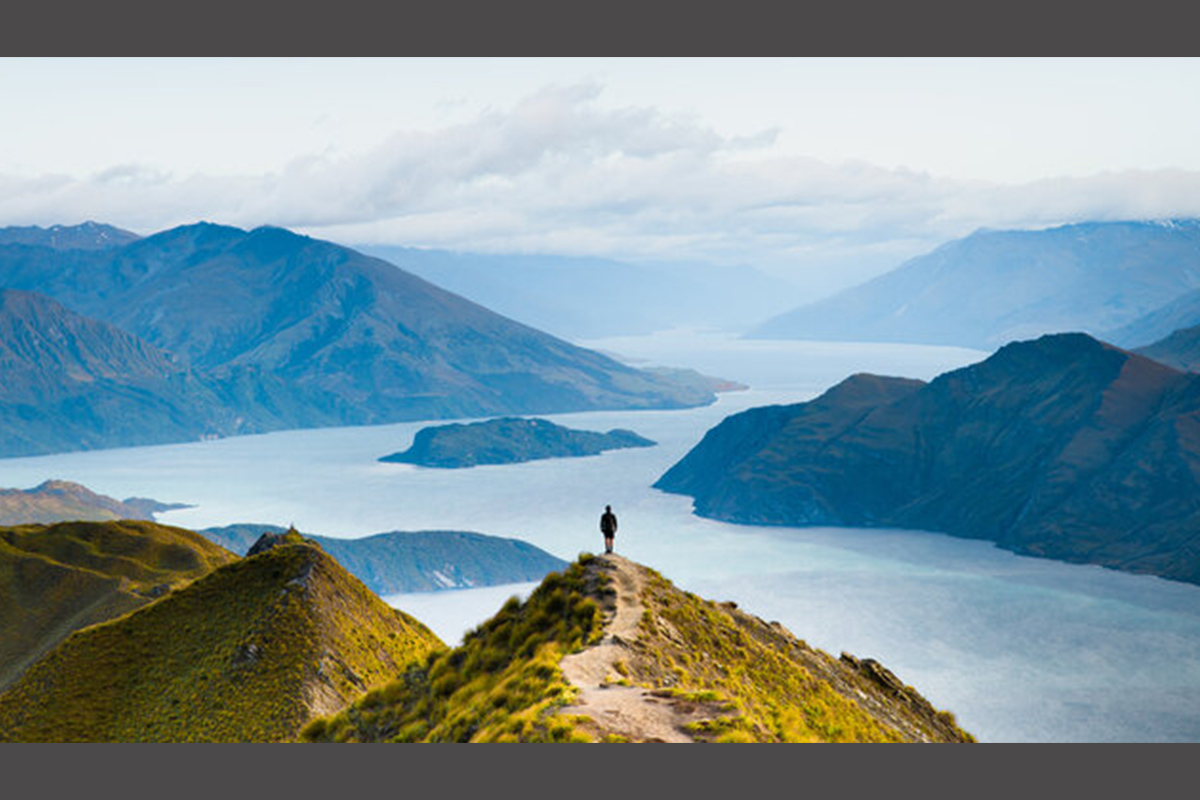
New Zealand’s film tourism is creating a powerful pull in global travel, particularly from East Asia. South Koreans are leading the charge with film route tourism, which marries adventure with on-location screen tourism. The six day itinerary released by New Zealand tourism highlighted locations from the Lord of the Rings, The Hobbit, and Avatar films. New tourism statistics for the last quarter of 2026, show that international visitors more than doubled from the previous quarter. Screen tourism was largely responsible for the spike. This article describes and analyzes the latest screen tourism and its effect on New Zealand’s economy, policy, and film-related industries.
Background: The Evolution of New Zealand Film Tourism
The narrative of New Zealand as a premier destination for international travellers is intrinsically linked to its success on the silver screen. For over two decades, the nation has provided the majestic backdrops for some of the highest-grossing films in cinematic history. This unparalleled exposure has transformed the country’s visitor economy, laying the foundation for what is now widely recognised as New Zealand film tourism. Rather than fading as a transient trend, screen-induced travel has matured into a sophisticated, multi-million-dollar sector that continues to attract visitors from every corner of the globe.
Advertisement
Advertisement
The profound impact of cinema on travel decisions is globally recognised, but New Zealand has managed to corner this market with exceptional skill. During the 1990s, the country was primarily marketed for its adventure sports and agricultural landscapes. However, the dawn of the 21st century brought a seismic shift. The monumental decision by visionary directors to utilise the untouched wilderness of the Southern Alps, the dense native forests of Fiordland, and the rolling pastures of Matamata completely rebranded the nation’s global identity. Today, New Zealand film tourism is institutionalised. It is factored into national budget forecasts, regional infrastructure planning, and international diplomatic trade missions. The sheer scale of the operation is staggering, with dedicated departments within national agencies tasked solely with facilitating international film crews and ensuring that the resulting cinematic footage can be legally and effectively utilised in global tourism marketing campaigns. This institutional support guarantees that the aesthetic allure of the screen is seamlessly translated into bookable, high-quality holiday packages.
A Legacy Forged in Middle-earth
When one thinks of New Zealand film tourism, the immediate association is often with the sweeping, fantastical landscapes of Middle-earth. The international phenomenon sparked by these epic cinematic adaptations placed New Zealand firmly on the map for millions of potential travellers. Official statistics from Tourism New Zealand have historically shown that a significant percentage of international visitors cite film landscapes as a primary factor in their decision to choose New Zealand as a holiday destination. The meticulous preservation of permanent movie sets, alongside guided tours that traverse the exact locations where iconic scenes were filmed, has created an immersive experience that resonates deeply with fans.
Advertisement
Advertisement
To fully grasp the magnitude of this sector, one must appreciate the depth of the legacy. The infrastructure developed around these early films set the gold standard for all subsequent New Zealand film tourism endeavours. Consider the economic ecosystem that has flourished around permanent film sets. What began as a temporary facade on a working sheep farm has evolved into a permanent, world-class attraction employing hundreds of staff, from groundskeepers and tour guides to hospitality professionals and retail managers. This single location attracts hundreds of thousands of international visitors annually, generating substantial revenue that supports local community projects and infrastructure. The strategy of preserving film sets rather than dismantling them post-production was a masterstroke of tourism planning. It shifted the paradigm from temporary promotional boosts to long-term economic assets. Furthermore, the global fanbase for these fantasy epics is fiercely loyal and highly mobile, representing a continuous, self-replenishing pool of potential tourists who view a pilgrimage to New Zealand not just as a holiday, but as a lifelong aspiration.
Expanding Beyond Fantasy: Modern Screen Attractions
While historical fantasy epics laid the groundwork, the modern iteration of New Zealand film tourism is incredibly diverse. The country has attracted a wide array of international productions, ranging from science fiction blockbusters and thrilling action franchises to critically acclaimed independent dramas. Government agencies, including the New Zealand Film Commission and regional economic development bodies, have worked collaboratively to ensure that the economic benefits of these productions extend well beyond the initial filming period.
Advertisement
Advertisement
The evolution of the sector has seen a deliberate strategy to court diverse genres. Recent years have seen New Zealand’s landscapes doubling for post-apocalyptic dystopias, alien planets, and historical battlegrounds. Each new production brings a fresh wave of international attention and a new demographic of film tourists. The government’s screen production grant scheme provides financial incentives for international studios to film in New Zealand, with the explicit caveat that the productions must contribute to the local economy and offer promotional opportunities for national tourism. This symbiotic relationship ensures a steady pipeline of fresh cinematic content featuring New Zealand landscapes. For the South Korea market, the appeal extends beyond fantasy to include romantic dramas, reality television travelogues, and high-octane action films that feature the modern urban landscapes of Auckland alongside the rugged wilderness. This genre diversification ensures that the six-day screen adventure route can be customised to cater to varied tastes, making New Zealand film tourism a versatile and resilient product capable of adapting to shifting global pop culture trends.
Latest Official Developments in 2026
As of the latter half of 2026, the New Zealand government and official tourism boards have intensified their efforts to capitalise on the resurgence of international travel. There is a concerted, strategic push to align film tourism marketing with the preferences of high-value visitor demographics.
Tourism New Zealand’s Push in Asian Markets
Tourism New Zealand has identified several key Asian markets as critical to the ongoing growth of the visitor economy. South Korea, in particular, has emerged as a standout performer. Official data reveals a growing appetite among South Korean travellers for experiential, nature-based, and culturally immersive holidays—preferences that align perfectly with the offerings of New Zealand film tourism. In response, national tourism bodies have launched tailored marketing campaigns designed specifically for South Korean audiences, translating key promotional materials and collaborating with popular South Korean influencers and travel agencies.
The strategic pivot towards Asian markets, particularly South Korea, is rooted in comprehensive demographic and economic analysis. East Asian economies boast large, increasingly affluent middle classes with a strong propensity for international travel. Tourism New Zealand’s market research indicates that South Korean travellers highly value safety, pristine natural environments, and structured, high-quality tourism products—all of which New Zealand provides in abundance. Furthermore, South Korea possesses a vibrant and globally influential domestic film and television industry. The South Korean public is highly media-literate and possesses a profound appreciation for high-quality cinematography and spectacular locations. By marketing New Zealand film tourism directly to this demographic, authorities are tapping into a culturally ingrained appreciation for visual storytelling. Joint promotional campaigns have featured South Korean celebrities embarking on their own New Zealand screen adventure routes, broadcasting their experiences to millions of followers via social media and traditional television networks. This peer-to-peer marketing, endorsed by familiar cultural icons, has proven exceptionally effective in driving booking conversions and elevating New Zealand’s status as a premium holiday destination.
The Significance of Kiwi Link Japan and Korea 2026
A pivotal moment in the 2026 tourism calendar was the hosting of Kiwi Link Japan and Korea in September 2026. This premier trade event brought together representatives from the New Zealand tourism industry and leading travel sellers from Japan and South Korea. According to official government announcements, the primary objective of this event was to strengthen bilateral tourism ties and showcase the latest travel itineraries, with a heavy emphasis on screen-induced travel routes. During the event, delegates discussed the immense potential of structured itineraries that cater to the specific timeframes and interests of Asian travellers.
The execution of Kiwi Link Japan and Korea exemplifies the proactive approach taken by the New Zealand tourism sector. The event, held across multiple days, involved rigorous pre-scheduled meetings between New Zealand tourism operators and major Asian travel sellers. The prospectus for the 2026 event highlighted the urgency of re-engaging with these vital markets following years of disrupted international travel. During the business-to-business networking sessions, the concept of the six-day screen adventure route was heavily promoted as a flagship product. Tourism operators presented comprehensive data demonstrating the route’s logistical feasibility, high customer satisfaction rates, and strong profit margins. The collaborative environment of Kiwi Link allowed for real-time feedback from South Korean travel agents, enabling New Zealand operators to fine-tune their itineraries to better suit the specific requirements of the South Korean consumer—such as incorporating specific culinary options, ensuring high-speed internet connectivity throughout the route, and providing translation services at key cinematic landmarks.
Advertisement
Advertisement
South Korea and More Drive New Zealand Film Tourism with Six-Day Screen Adventure Route
The correlation between specific travel markets and bespoke itinerary development has never been clearer. Recent trends indicate that South Korea and more drive New Zealand film tourism with six-day screen adventure route packages, which have become the gold standard for concise yet comprehensive travel experiences.
Crafting the Perfect Itinerary for International Audiences
When designing travel packages for the South Korean market, tourism operators must balance the desire for comprehensive exploration with the reality of limited holiday leave. The six-day screen adventure route has been meticulously crafted to offer a high-impact, time-efficient journey through New Zealand’s most celebrated cinematic locations. This itinerary is not merely a rapid transit between landmarks; it is a curated narrative experience. By packaging these destinations into a cohesive six-day format, travel agencies can provide a seamless holiday that appeals to busy professionals and families.
The science of itinerary design is critical to the success of the six-day screen adventure route. South Korean tourists typically operate within constrained annual leave allowances, making extended two- or three-week holidays less common than in European markets. Therefore, the New Zealand tourism industry had to condense the quintessential New Zealand film tourism experience into a highly efficient, action-packed six-day window. This required unprecedented cooperation between domestic airlines, coach operators, accommodation providers, and attraction managers. The resulting itinerary is a masterpiece of logistical planning. It ensures that visitors experience the dramatic contrast between the geothermal north and the alpine south without feeling rushed. By pre-booking domestic transfers and securing priority access to popular film locations, travel agencies eliminate the friction usually associated with independent travel. This frictionless experience is a major selling point in the South Korean market, where consumers demand efficiency, reliability, and exceptional customer service.
Key Stops on the Six-Day Screen Adventure Route
Let us delve deeper into the mechanics of the six-day screen adventure route. Day one typically involves arrival in Auckland, followed by immediate immersion into the city’s vibrant cinematic culture, perhaps visiting coastal areas that have featured in classic dramas. Day two is the pivotal transition to the Waikato, where the preservation of fantasy film sets provides a profound sense of stepping out of reality and into a storybook. The economic impact here is immense, as large tour groups patronise local cafes, purchase extensive merchandising, and utilise regional transport networks.
Day three shifts the narrative to Rotorua, offering a blend of indigenous Māori culture and unearthly geothermal landscapes that have provided the backdrop for science fiction cinema. Day four requires a seamless domestic flight or a scenic coach journey down to Wellington. The capital city is the beating heart of New Zealand’s screen industry. Here, the six-day screen adventure route incorporates exclusive tours of the world-renowned post-production houses and special effects studios that have garnered multiple Academy Awards.
Days five and six transport the South Korean visitors to the dramatic alpine theatre of the South Island, specifically Queenstown. Here, the focus shifts from studio craft to the raw, untamed wilderness that defines New Zealand film tourism. Visitors engage in scenic helicopter flights over majestic fiords, jet boat rides through cinematic river canyons, and guided hikes through ancient beech forests. The itinerary concludes with a direct departure or a brief transit through Christchurch—a port experiencing a 21.4 percent growth in international visitor arrivals, validating the popularity of these southern routes.
Advertisement
Advertisement
Government Announcements and Policy Updates
To support the influx of international tourists and ensure that the sector remains a sustainable economic driver, the New Zealand government has implemented a series of strategic policies and infrastructure upgrades throughout 2026.
Strategic Goals for 2026 and Beyond
Official statements from the Ministry of Business, Innovation and Employment (MBIE) outline a clear vision for the future of the visitor economy. The government’s strategic goals for 2026 focus heavily on value over volume. Rather than simply chasing record-breaking arrival numbers, the objective is to attract visitors who stay longer, spend more, and engage respectfully with the local environment and culture. New Zealand film tourism perfectly aligns with these goals, as screen tourists are generally classified as high-value visitors who are willing to invest in premium guided tours, domestic travel, and culturally enriching experiences.
The New Zealand government’s overarching strategy for the visitor economy in 2026 is defined by a commitment to regenerative tourism. This philosophy dictates that tourism must leave the destination fundamentally better than it found it—economically, socially, and environmentally. By focusing marketing efforts on the six-day screen adventure route and targeting the South Korean market, the government is attracting visitors who inherently respect the natural environments they have admired on screen. Policy frameworks established in 2026 provide grants for tourism operators who transition to zero-emission vehicle fleets and implement stringent waste reduction protocols. The national government has also worked closely with regional tourism organisations to ensure that the economic windfall from film tourism is reinvested into local communities, funding public amenities, conservation projects, and cultural preservation initiatives.
Enhancing Connectivity for South Korean Tourists
Recognising the importance of the South Korean market, immigration authorities and transport ministries have worked to streamline the arrival process. Enhancements to digital visa application systems and the expansion of the New Zealand Electronic Travel Authority (NZeTA) have made it significantly easier for South Korean nationals to plan their holidays. Furthermore, official negotiations have paved the way for increased direct flight capacity between Seoul and Auckland. The aviation sector’s recovery in 2026 has seen airlines introducing more frequent services and deploying larger aircraft on these vital routes. This improved connectivity is an essential component in supporting the growing popularity of the six-day screen adventure route, as seamless international transit is a primary consideration for modern travellers looking to maximise their time on the ground.
Comprehensive Statistics: Tourism’s Economic Engine
To truly understand the impact of these developments, it is necessary to examine the official statistics released by national agencies. The data from 2026 provides a concrete overview of how deeply tourism, and specifically film tourism, is embedded in the national economy.
Analysing the June 2026 Stats NZ Arrivals Data
According to the official data released by Stats NZ on 14 August 2026, New Zealand received 3.67 million overseas visitor arrivals in the year ended June 2026. This represents a robust increase of 8.9 percent (or 299,000 visitors) compared to the previous year. Holiday travellers constituted a significant portion of these arrivals, with over 1.94 million people—accounting for 53 percent of all arrivals—citing a holiday as their primary purpose of visit.
Advertisement
Advertisement
A deep dive into the official Stats NZ data reveals the structural integrity of the tourism recovery. The recording of 3,674,579 international visitors is not merely a number; it represents the revival of the nation’s most dynamic economic sector. The 8.9 percent annual increase demonstrates sustained, manageable economic growth rather than a volatile spike. While the median length of stay has settled at 9.4 days, this duration is perfectly calibrated for the six-day screen adventure route, allowing tourists a few additional days for independent exploration or transit. The remarkable 21.4 percent growth at Christchurch’s port of entry highlights a strategic shift in international travel patterns, proving that targeted marketing of South Island cinematic landscapes is successfully dispersing visitors across the country, alleviating congestion in the northern hubs.
The Value of the South Korean Visitor Market
The specific contribution of the South Korean market is highly notable within these statistics. In the year to June 2026, South Korea sent approximately 69,169 visitors to New Zealand. While traditional markets like Australia, the United States, and the United Kingdom remain dominant in sheer volume, the growth trajectory and spending habits of East Asian markets are of particular interest to economic planners.
The 69,169 visitors from South Korea recorded in the year to June 2026 represent a highly lucrative segment of the international market. South Korean tourists are characterised by their high daily spend and their preference for premium, fully guided experiences. Unlike backpacker demographics that typically prioritise low-cost accommodation and free activities, South Korean participants in the six-day screen adventure route inject significant capital directly into top-tier hospitality and transport businesses. Their economic contribution helps sustain the profitability of luxury lodges, scenic flight operators, and high-end restaurants. Furthermore, the South Korean market exhibits strong resilience to seasonal fluctuations, with a willingness to travel during New Zealand’s shoulder seasons (spring and autumn). This year-round demand is essential for tourism operators, providing stable revenue streams that allow for permanent staff employment and continuous business investment, thereby solidifying the foundations of the national tourism economy.
Policy Implications for Sustainable Tourism
The steady increase in international visitor arrivals necessitates robust policy frameworks to ensure that the tourism sector does not negatively impact the very assets that draw visitors in the first place.
Balancing Visitor Growth with Environmental Protection
The New Zealand government is acutely aware of the environmental pressures associated with mass tourism. As the popularity of film-specific locations surges, local authorities have implemented strict sustainability measures. Policies introduced in 2026 mandate that commercial operators functioning within national parks and conservation areas must adhere to stringent environmental guidelines. This includes contributing to conservation funds and adopting low-emission transport options where possible. For New Zealand film tourism, this means that large tour groups navigating the six-day screen adventure route are often transported in modern, fuel-efficient or electric coaches.
The intersection of rising visitor numbers and environmental stewardship is the most critical challenge facing the industry in 2026. The landscapes that form the core of New Zealand film tourism are often ecologically fragile. To mitigate the impact of the six-day screen adventure route, the Department of Conservation (DOC) has implemented adaptive management strategies. This includes the widespread use of smart-sensor technology along popular cinematic trails to monitor foot traffic and prevent overcrowding in real-time. Additionally, a portion of the International Visitor Conservation and Tourism Levy (IVL) collected at the border is directly channelled into preserving the specific regions heavily featured in international films. By transparently linking the financial contributions of South Korean tourists to tangible conservation outcomes, the government fosters a narrative of responsible travel, ensuring that the spectacular environments depicted on screen remain vibrant and healthy in reality.
Advertisement
Advertisement
The Role of the Tourism Satellite Account
The financial monitoring of these initiatives is conducted through the Tourism Satellite Account, the official measure of tourism in the national accounts produced by Stats NZ. The latest release for the year ended March 2025 demonstrated the immense financial weight of the sector, recording total tourism expenditure at an impressive NZ$46.6 billion, an increase of 3.3 percent. Crucially, international tourism expenditure reached NZ$18.1 billion, representing an increase of 7.0 percent.
The economic validation of these initiatives is provided by the meticulous tracking of the Tourism Satellite Account. The reported total tourism expenditure underscores the colossal scale of the industry. The NZ$18.1 billion contributed by international visitors directly supports the national balance of payments. When we consider that tourism value added accounts for 7.7 percent of the nation’s GDP, the strategic importance of niche markets like New Zealand film tourism becomes undeniably clear. The Tourism Satellite Account data empowers government policymakers to justify continued investment in international marketing events like Kiwi Link 2026. It proves that every dollar spent on targeting the South Korea market yields a substantial return on investment, cementing tourism’s position alongside agriculture and technology as a foundational pillar of the New Zealand economy.
Industry Impact: Operators Reaping the Rewards
The macro-economic statistics translate into tangible benefits for the thousands of businesses that make up the New Zealand tourism industry.
Local Business Growth Along the Screen Adventure Route
For businesses situated along the primary nodes of the six-day screen adventure route, the influx of South Korean and other international tourists has prompted significant expansion and investment. Accommodation providers in regional towns have reported higher occupancy rates during the traditional shoulder seasons, driven by the year-round appeal of cinematic landscapes. In response to the specific demographics engaging in New Zealand film tourism, many operators have adapted their services. This includes offering multi-lingual guide materials, employing staff fluent in Korean, and tailoring culinary offerings to suit international palates. Such adaptations not only enhance the visitor experience but also increase the competitiveness of local businesses on the global stage.
Job Creation in the Hospitality and Transport Sectors
The ripple effect of this tourism boom is most visible in the labour market. Official figures indicate that direct tourism employment accounts for approximately 6.8 percent of all New Zealand jobs. As demand for the six-day screen adventure route intensifies, there has been a corresponding surge in recruitment across the hospitality, aviation, and domestic transport sectors. Specialised tour guiding, in particular, has seen a renaissance.
The human element of this economic engine cannot be overstated. With direct tourism employment representing a significant block of all jobs in New Zealand, the vitality of the sector is directly linked to the livelihoods of hundreds of thousands of citizens. The popularity of the six-day screen adventure route among South Korean visitors has sparked targeted job creation. There is a surging demand for bilingual professionals in the hospitality sector, specialised mechanics to maintain the growing fleets of luxury touring coaches, and digital marketing experts capable of navigating Asian social media platforms. Tertiary education institutions in New Zealand have responded to this demand by offering specialised qualifications in tourism management with a focus on cinematic travel and cross-cultural communication. This ensures a steady pipeline of highly skilled professionals ready to elevate the standard of New Zealand film tourism and provide world-class service to international guests.
Advertisement
Advertisement
Economic Implications for New Zealand
The broader economic implications of a thriving film tourism sector extend far beyond the immediate point of sale, influencing national export strategies and regional development funding.
Tourism as a Primary Export Earner
In the context of international trade, inbound tourism is classified as an export because it brings foreign capital into the domestic economy. The NZ$18.1 billion generated by international tourism expenditure highlights its status as one of New Zealand’s most vital export earners. The strategic targeting of the South Korea market through initiatives like Kiwi Link 2026 is a deliberate economic manoeuvre to diversify source markets and reduce reliance on any single geographical region.
In global economic terms, inbound tourism is the ultimate invisible export. The foreign capital brought into the country by South Korean tourists undertaking the six-day screen adventure route strengthens the New Zealand Dollar and provides essential liquidity to regional economies. The 17 percent share of total exports attributed to international tourism highlights the sector’s crucial role in maintaining national economic health. By actively cultivating the film tourism niche, the government is essentially exporting New Zealand’s natural beauty and creative ingenuity to the world. This export strategy is highly resilient because it relies on immovable assets—the mountains, lakes, and forests cannot be outsourced or relocated. As long as New Zealand continues to produce compelling cinematic content and packages it into accessible itineraries for markets like South Korea, this export revenue stream will remain robust and secure.
The Multiplier Effect of Film-Induced Travel
The economic footprint of New Zealand film tourism is amplified by the multiplier effect. When a South Korean tourist purchases a screen adventure package, the financial benefits cascade through the supply chain. The initial expenditure on a guided tour supports the tour company, which in turn purchases vehicles, fuel, and marketing services from other local businesses. Furthermore, the wages paid to tourism employees are subsequently spent within their local communities, stimulating retail and service sectors. The government relies on this multiplier effect to justify continued public investment in tourism infrastructure and international marketing campaigns.
Tourism, Business, and Public Impact
The intersection of film and tourism fosters a unique cultural exchange that benefits both the visiting public and the host communities.
Connecting Cultures Through Screen Stories
Cinematic storytelling transcends linguistic and cultural barriers. When South Korean visitors arrive in New Zealand to explore the locations of their favourite films, they share a common point of reference with their local hosts. This shared enthusiasm for screen narratives facilitates genuine cultural connections.
Advertisement
Advertisement
Beyond the stark economic data, the cultural significance of New Zealand film tourism is profound. Cinema serves as a universal language. When a South Korean tourist stands on a windswept peak in the Southern Alps, recreating a scene from a beloved blockbuster, they are participating in a global cultural phenomenon. This shared experience fosters a deep sense of connection between the visitor and the destination. Local tour guides, many of whom are deeply embedded in their regional communities, act as cultural ambassadors, sharing the local Māori history and ecological significance of the land alongside the cinematic trivia. This dual narrative enriches the visitor experience, transforming a simple holiday into a meaningful educational journey. The six-day screen adventure route is therefore not just a commercial product; it is a bridge between the vibrant, fast-paced society of South Korea and the grounded, nature-centric culture of New Zealand.
Community Reception to Increased International Visitors
The public reception to the resurgence of international tourism in 2026 has been overwhelmingly positive, particularly in regions that rely heavily on the visitor economy. Following the economic hardships experienced during the global travel hiatus, communities have warmly welcomed the return of international guests. Local businesses, artisans, and hospitality workers have expressed optimism about the steady stream of South Korean tourists navigating the six-day screen adventure route. Government surveys measuring community sentiment towards tourism consistently show that when visitor numbers are managed sustainably, and the economic benefits are transparently distributed, public support for the industry remains exceptionally high.
Expert and Official Statements
The narrative of recovery and strategic growth is corroborated by statements from leading industry figures and government officials throughout 2026.
During official briefings in the first half of the year, government representatives highlighted the critical importance of the tourism sector’s recovery. Officials have frequently praised the resilience of tourism operators and the innovative marketing strategies deployed by Tourism New Zealand. Speaking on the release of the mid-year Stats NZ data, economic planners noted that the 8.9 percent increase in international arrivals was a testament to the enduring appeal of New Zealand’s natural and cultural assets.
Industry leaders at the Kiwi Link Japan and Korea 2026 event echoed these sentiments. Representatives from major tourism collectives emphasised that the South Korean market’s enthusiastic adoption of the six-day screen adventure route was a prime example of successful product alignment. Experts in the field of tourism economics have published analyses affirming that the strategic pivot towards high-value, niche markets like New Zealand film tourism is the most viable pathway for long-term sustainable growth, mitigating the risks associated with volatile global economic conditions.
Future Outlook: Navigating to 2030
As New Zealand looks beyond 2026, the trajectory for film tourism appears exceptionally promising, provided that current strategies are maintained and adapted to future trends.
Advertisement
Advertisement
Sustaining the Momentum
The immediate future will require sustained marketing efforts and continued investment in infrastructure. The success of the six-day screen adventure route in capturing the South Korean market serves as a blueprint that can be replicated for other emerging markets across Asia and Europe. Tourism New Zealand is expected to continue leveraging upcoming international film releases shot in the country to refresh and expand existing itineraries.
Looking ahead to the remainder of the decade, the challenge for the New Zealand tourism industry is maintaining the exceptional momentum generated in 2026. The success of the South Korean market intervention must be viewed as a baseline rather than a peak. The industry is exploring the potential of extending the six-day screen adventure route to incorporate emerging regional destinations, thereby dispersing the economic benefits to more remote communities. Continuous investment in high-quality infrastructure, sustainable transport, and digital innovation will be paramount. By remaining agile, data-driven, and relentlessly focused on quality, New Zealand film tourism will continue to enchant international audiences and drive national prosperity for generations to come.
Technological Integrations and Digital Identity
Looking forward, the integration of advanced technologies will play a crucial role in shaping the future of New Zealand film tourism. The aviation sector is already making strides in digital identity infrastructure, which will further streamline passenger processing and enhance the arrival experience for international tourists. For the tourism operators on the ground, augmented reality (AR) and virtual reality (VR) technologies are being explored as tools to enhance the physical locations. Imagine South Korean tourists standing in a serene New Zealand valley and using an AR application to see a cinematic battle play out before their eyes. These digital enhancements, combined with the unparalleled physical beauty of the country, will ensure that New Zealand remains at the cutting edge of the global screen tourism industry, driving economic prosperity and cultural exchange well into the next decade.
New Zealand’s cinema tourism continues to grow as international visitors flock to the locations made famous in their films. This strategy, taken by the country’s tourism and film industries in partnership with South Korea, is especially successful in fostering economic growth. The Film Tourism Trust’s creation of the six-day “adventure” route through New Zealand gives visitors an opportunity to experience both the natural and cultured attractions of the island country. The route is popular among guests of all ages. As the data shows, the industry is growing and changing, and it’s important for employees to promote and practice eco-friendly methods of transportation. Starting in 2027, New Zealand’s Film Tourism will remain one of the best methods of bringing visitors to the island.
Advertisement
