
Thailand Joins Indonesia and Vietnam in Cracking Down on Airbnb: How Southeast Asian Countries Are Changing the Vacation Rental Game in 2025!

Published
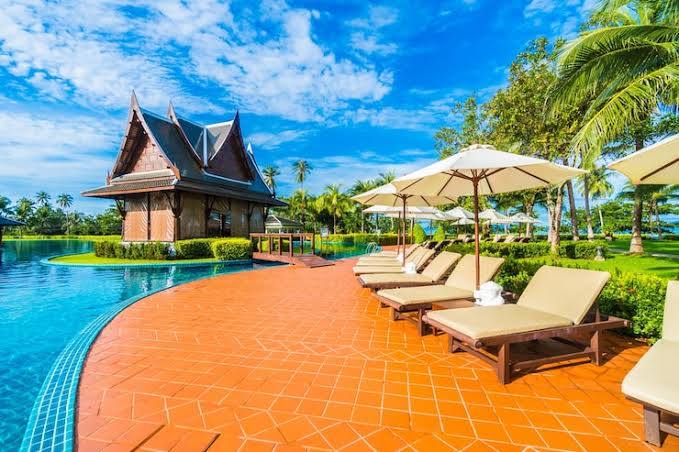 Image generated with Ai
The growing popularity of short-term rentals through platforms like Airbnb has brought about a significant shift in the tourism industry. While these platforms have revolutionized travel by offering unique accommodations, they’ve also raised several concerns, particularly in Southeast Asia. In 2025, multiple countries in the region have started cracking down on Airbnb rentals to address issues like overtourism, housing shortages, and unfair competition with traditional hospitality providers. This article explores how several Southeast Asian nations are changing their stance on vacation rentals and what this means for travelers and hosts.
Indonesia: Bali’s Crackdown on Illegal Rentals
Bali, one of Indonesia’s most popular tourist destinations, has long been a hotspot for Airbnb rentals. However, by 2025, the Bali government began taking more aggressive measures to regulate the platform. The growing number of unlicensed rentals has created an imbalance in the local hospitality industry, with many tourists opting for Airbnb villasthat offer lower prices than licensed accommodations.
Reports show that over 39,000 Airbnb listings in Bali in 2025 lacked the required tourism licenses, and this has sparked a heated debate. While tourists flock to Bali for the charm of private villas and unique experiences, these unlicensed properties often bypass taxes and regulations that apply to local hotels and guesthouses, making it difficult for legitimate businesses to compete.
Advertisement
Advertisement
The Bali Hotel and Restaurant Association has been vocal about this issue, stating that the unregulated rentals are harming the local economy and undermining the quality of tourism. With Airbnb properties mushrooming across the island, the government has stepped in with stricter enforcement, ensuring that rentals comply with local tourism regulations. Bali’s actions are a clear example of the region’s growing frustration with unregulated vacation rentals and their potential negative impact on the environment and local communities.
Thailand: Bangkok’s Struggles with Unlicensed Airbnb Properties
Advertisement
Advertisement
In Thailand, Bangkok remains one of the most visited cities in Southeast Asia, and Airbnb rentals are incredibly popular with both tourists and expatriates. However, despite the platform’s legal status in the country, Bangkok has faced significant challenges with unlicensed short-term rentals. As of July 2025, out of 16,806 Airbnb listings in Bangkok, none had the required licenses to operate legally.
The lack of enforcement regarding short-term rental licenses has led to calls for action from both local authorities and traditional hospitality providers. The government is starting to recognize the problem, but progress has been slow. Without proper short-term rental licenses, hosts evade taxes and other legal obligations, leading to an uneven playing field for hotels and licensed guesthouses.
Advertisement
Advertisement
The absence of proper regulation also raises concerns about the safety and quality of accommodations offered through Airbnb. While travelers enjoy the affordability and local charm that these rentals offer, the lack of oversight can lead to situations where hosts fail to meet safety standards, putting tourists at risk. Moving forward, it is expected that Thailandwill tighten regulations on short-term rentals, following the example set by other countries in the region.
Vietnam: Ho Chi Minh City’s Restrictions on Airbnb Rentals
Vietnam has also begun to implement stricter regulations on short-term rentals. In 2025, Ho Chi Minh City (formerly Saigon), a bustling destination for both tourists and business travelers, introduced a ban on short-term rentals within condominium buildings. This policy aims to address concerns regarding housing availability and the disruption caused by tourists staying in residential buildings.
The government’s decision reflects the need to protect local communities from the negative effects of overtourism. In addition to limiting Airbnb rentals in residential buildings, the government has begun cracking down on unregistered hosts, requiring that all short-term rentals comply with local business registration and tax obligations.
Advertisement
Advertisement
While Airbnb remains legal in Vietnam, hosts are now required to follow local laws. This move has prompted a shift in the way tourists approach their accommodations in Vietnam, with more travelers turning to traditional hotels and licensed accommodations. However, the ban on short-term rentals in condominiums is only one step in a broader effort to regulate the sector and ensure that it benefits both the tourism industry and the local population.
Malaysia: Penang’s Immediate Crackdown on Short-Term Rentals
In Malaysia, Penang has emerged as a key example of a state taking action against short-term rentals. Starting in August 2023, Penang implemented an immediate crackdown on unlicensed short-term rentals, which continue to operate without adhering to local laws. The state government introduced measures aimed at regulating vacation rentals, seeking to balance the needs of tourists and local communities.
While the move was welcomed by traditional hospitality businesses, it raised concerns for Airbnb hosts, many of whom now face the challenge of meeting the legal requirements for operating vacation rentals. As a result, Penang has been pushing for clearer regulations to help hosts navigate the legal landscape while ensuring that tourists still have access to unique, affordable lodging options.
The crackdown in Penang reflects a broader trend in Southeast Asia, where local governments are increasingly targeting Airbnb properties that operate without the proper licenses. This trend may spread to other parts of Malaysia as authorities look to control the rise of short-term rentals and protect the interests of both travelers and residents.
South Korea: Restrictions on Officetels and Studio Apartments
Advertisement
Advertisement
While not in Southeast Asia, South Korea has also been tightening regulations on Airbnb in 2025. Starting in October 2025, South Korea will restrict short-term rentals in studio apartments and officetels (mixed-use buildings combining office and residential spaces). These properties will no longer be allowed on Airbnb as part of the government’s push to ensure that short-term rentals comply with residential zoning laws.
This move is seen as part of a broader effort to protect the residential character of communities and limit the impact of tourism on local housing markets. In response, Airbnb hosts in South Korea will be required to ensure that their properties meet zoning and safety regulations, or they may face penalties. While this change will affect some popular areas for short-term rentals, it is likely to encourage hosts to adapt and find new ways to operate within the boundaries of the law.
The Growing Trend in Southeast Asia
Across Southeast Asia, the trend of cracking down on Airbnb rentals is growing. Countries like Thailand, Vietnam, Indonesia, and Malaysia are beginning to recognize the need for regulation within the rapidly expanding short-term rental market. This shift reflects broader concerns about the impact of Airbnb on local economies, housing availability, and community welfare.
As the tourism industry recovers post-pandemic, local governments are prioritizing regulation to ensure that short-term rentals contribute positively to the economy while mitigating negative effects such as overtourism and housing shortages. In the coming years, travelers will likely encounter stricter requirements and more regulated options for vacation rentals in the region.
What Does This Mean for Travelers?
Advertisement
Advertisement
For travelers, these changes may impact the availability and cost of Airbnb rentals in some Southeast Asian countries. Airbnb users may find it more difficult to book properties in popular destinations like Bali, Bangkok, or Ho Chi Minh City, especially in residential areas. As governments tighten regulations, travelers may need to shift towards more traditional forms of accommodation, such as hotels or hostels, or look for licensed Airbnb listings that comply with local laws.
For Hosts, the crackdown means adjusting to new regulations, which might include registering properties, paying taxes, and ensuring that listings meet safety and legal standards. While these changes might be seen as a burden, they may also help create a more sustainable and competitive vacation rental market.
Conclusion: A New Era for Vacation Rentals in Southeast Asia
As Southeast Asia takes significant steps to regulate the Airbnb industry, travelers and hosts alike will need to adapt to new norms. The efforts to crack down on unlicensed rentals reflect a growing understanding of the need for balance between tourism, local communities, and sustainable travel. While the road ahead may be filled with challenges, these changes present an opportunity for a more responsible and regulated tourism industry in the region.
For those planning to visit Southeast Asia, staying informed about local regulations and opting for licensed accommodations will become increasingly important. By doing so, travelers can help support the positive evolution of the region’s tourism industry, while also ensuring that their vacations remain enjoyable and hassle-free.
Advertisement
