

The Caryatids of the Erechtheion: A Masterpiece of Ancient Greek Sculpture in Athens

Published
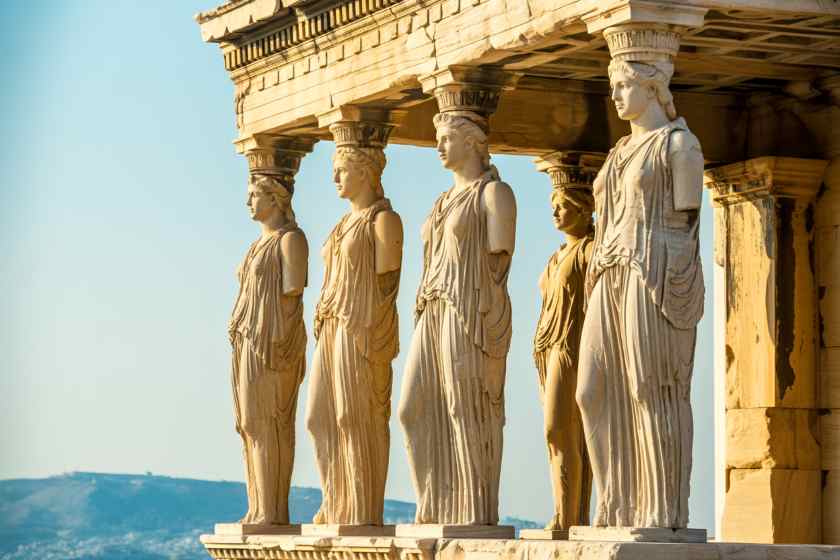 Image generated with Ai
The Caryatids, also known as the Porch of the Maidens, are one of the most iconic features of the Erechtheion temple on the Acropolis of Athens. These elegant statues, which take the place of columns on the temple’s south side, are both architectural marvels and cultural symbols of ancient Greek artistry. Despite being reconstructed for public display, the Caryatids continue to captivate visitors with their grace and historical significance, drawing those with a deep interest in Greek history, ancient architecture, and classical art.
The Erechtheion, a temple dedicated to Athena and Poseidon, is renowned for its complex and asymmetrical design, standing as a symbol of ancient Greek innovation. The Caryatids form an integral part of the temple, with six statues—five on display today and one in the British Museum—serving as support for the temple’s roof, replacing traditional columns with the statues of women holding the structure above their heads.
The Caryatids: Artistry and Architecture Combined
The Caryatids are exquisite examples of classical Greek sculpture, created with remarkable attention to detail. Standing at the temple’s west end, they represent young women dressed in elegant robes, and their balanced poses create a sense of calm and stability that perfectly complements the Erechtheion’s overall design. The six figures are arranged to face outward, and their graceful forms symbolize strength, support, and the divine.
Advertisement
Advertisement
The Caryatids’ design reflects the Greek ideals of beauty and proportion, with each figure crafted to exude a sense of quiet dignity. The statues are made from marble, showcasing the refined skills of ancient Greek sculptors. The Porch of the Maidens is considered a masterpiece of ancient Greek architecture, blending artistry with function.
These statues once supported the roof of the Erechtheion, and their role as architectural elements is significant. They are a unique representation of the doric order, traditionally reserved for men, reimagined in a more delicate and feminine form. Their graceful pose, combined with their architectural function, highlights the ingenuity of ancient Greek design.
Advertisement
Advertisement
The Acropolis Museum: Preserving the Caryatids
The original Caryatids are now housed in the Acropolis Museum, which is located just below the Acropolis hill. The museum showcases the statues in their reconstructed form, allowing visitors to view the full set of statues up close. The museum is an essential part of any visit to the Acropolis, providing a comprehensive look at the history and significance of these statues, as well as other important artifacts from the Erechtheion and the Acropolis complex.
The display at the Acropolis Museum includes the five Caryatids from the Erechtheion, beautifully preserved and displayed in a way that lets visitors appreciate the fine details of their craftsmanship. However, one figure is notably missing—the sixth Caryatid, which was taken by Lord Elgin in the early 19th century. This statue is currently on display in the British Museum in London. The absence of this Caryatid has sparked ongoing debates about the repatriation of Greek antiquities, particularly those removed by Elgin during his time in Athens.
The “Missing Sister” and Elgin’s Controversy
The “missing sister” of the Caryatids has been a subject of international controversy since it was removed by Lord Elgin in 1817, along with other famous artifacts from the Parthenon, known as the Elgin Marbles. The British Museum has housed the statue ever since, and its return to Greece remains a point of contention.
The debate over the return of this statue is part of a larger conversation about cultural heritage and the ethical implications of acquiring ancient artifacts. While the Acropolis Museum has become a focal point for the argument, the missing Caryatid serves as a symbol of Greece’s ongoing efforts to reclaim its cultural heritage from museums around the world.
Advertisement
Advertisement
Visiting the Caryatids on the Acropolis
When visiting Athens, the Caryatids are a must-see attraction for those interested in ancient Greek architecture and sculpture. The Erechtheion is one of the most unique temples on the Acropolis, and the Porch of the Maidens is a key feature of this historical site. The site offers visitors a chance to admire the sculptural beauty and historical importance of the Caryatids, while also exploring the broader significance of the Erechtheion as a temple dedicated to Athena and Poseidon.
Visitors can take a guided tour of the Acropolis, which includes stops at the Parthenon, the Temple of Athena Nike, and the Erechtheion. Many tours also include a visit to the Acropolis Museum, where visitors can see the Caryatids in their original state and learn more about their historical and cultural significance.
Conclusion: The Timeless Beauty of the Caryatids
The Caryatids of the Erechtheion remain one of the most iconic symbols of ancient Greek architecture and sculpture. These elegant statues stand as a testament to the artistic achievements of ancient Greece, blending function with beauty in a way that continues to captivate visitors from around the world. Whether admiring them on the Acropolis, learning about their history in the Acropolis Museum, or contemplating the debates surrounding the missing sister, the Caryatids remain an essential part of Greece’s cultural heritage. Their timeless beauty and significance ensure that they will continue to inspire awe for generations to come.
Advertisement
