

The Surprising Reason Japan Has Few Public Trash Cans and How Tourists Can Adapt

Published
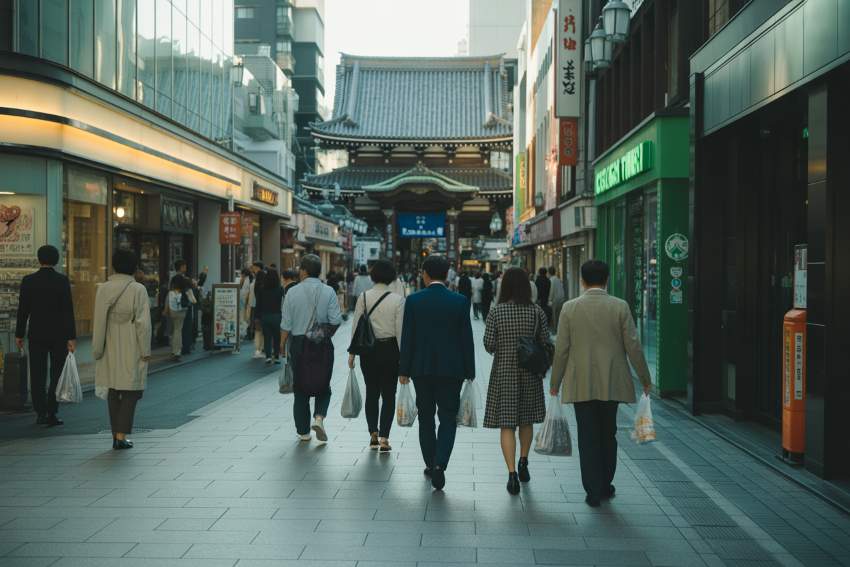 Image generated with Ai
For many visitors, Japan is a land of wonders, from its bustling cities and tranquil temples to its flawless public transport system and vibrant culture. However, one notable aspect of daily life in Japan is frequently an unexpected inconvenience for international tourists: a scarcity of public trash cans. Unlike many other countries, where public bins can be found on every corner, Japan’s cities, train stations, and tourist hotspots have few, if any, trash receptacles in public areas. Despite this scarcity, Japan is known for its impeccably clean environment, leaving visitors perplexed as to how such a paradox is possible. The solution is a combination of historical policies, cultural practices, and effective waste management systems that work together to keep the country’s renowned cleanliness.
The Historical Roots of Public Bin Removal
The current situation regarding public trash cans in Japan can be traced back to a major shift in policy in the 1990s. The removal of public bins began after the 1995 Tokyo subway sarin gas attack, in which toxic chemicals were hidden in public trash cans and used in a terrorist attack. In the wake of this tragedy, many public trash receptacles were removed as a safety measure, intended to prevent similar attacks. Over time, this policy became entrenched, and fewer bins were installed across public spaces. Additionally, with the increasing reliance on advanced technology and a heightened sense of security in public spaces, Japan continued to limit the presence of bins, especially in high-traffic areas such as train stations, shopping districts, and parks. This policy shift, while primarily driven by safety concerns, led to a long-standing scarcity of public trash bins in Japan.
Cultural Practices and Social Expectations
Beyond the historical context, Japan’s approach to waste disposal is deeply rooted in its cultural values. In Japanese society, cleanliness is considered a civic duty, and individuals are taught from a young age to take responsibility for their own waste. As a result, it is not uncommon to see people carrying their trash with them until they can dispose of it properly at home or in a designated location. This sense of personal responsibility is reflected in the country’s approach to public cleanliness, where people are expected to clean up after themselves, even when in public spaces.
In addition, Japan’s social norms around public behaviour discourage eating while walking or consuming food in places that lack designated eating areas. This cultural practice naturally leads to less waste being generated in public spaces, as people tend to eat in more controlled environments, such as restaurants, cafes, or home. While these habits may seem unusual to visitors from countries where street food and eating on the go are commonplace, they are integral to maintaining the cleanliness and orderliness that Japan is known for. This cultural commitment to keeping public spaces clean also plays a significant role in the country’s waste disposal practices, with many people choosing to carry their trash with them rather than leave it behind.
Advertisement
Advertisement
Japan’s Detailed Waste Sorting System
Another key aspect of Japan’s waste management is its detailed and rigorous waste sorting system. Unlike many countries where waste is simply divided into general categories such as recyclables and non-recyclables, Japan employs an intricate system that categorizes waste into multiple groups, including burnable, non-burnable, recyclable, and sometimes even specific categories such as PET bottles, cans, and glass. Residents and visitors alike are expected to separate their waste accordingly, and improper sorting can lead to penalties.
Given the complexity of this system, public bins are not practical in Japan, as they would require a level of sorting that is difficult to manage in public spaces. Instead, individuals are encouraged to take their waste home with them, where it can be sorted and disposed of according to local regulations. This system not only contributes to the country’s cleanliness but also aligns with the broader cultural values of orderliness, responsibility, and environmental sustainability. For tourists, understanding and adapting to this waste sorting system is essential for having a smooth travel experience in Japan.
Advertisement
Advertisement
The Impact on Travelers
For tourists, the lack of public trash bins in Japan can initially be a source of frustration. Many visitors are used to finding trash cans at every corner and may not immediately realize the cultural and historical reasons behind their absence. Visitors are often caught off guard, carrying their waste until they find a suitable place to dispose of it, such as a convenience store, train station, or hotel. While this can be inconvenient, it is important to remember that this practice is an integral part of Japan’s efforts to maintain public cleanliness and environmental responsibility.
Travelers should come prepared by carrying small bags or reusable containers to store any waste they generate while exploring the country. This simple adjustment can make a big difference in ensuring that visitors can manage their waste effectively while respecting Japan’s cultural norms. Additionally, many convenience stores in Japan do have trash bins outside, but these are typically reserved for waste generated by products purchased inside the store. Travelers should avoid disposing of general litter in these bins and instead hold on to it until they find a proper place to dispose of it.
Advertisement
Advertisement
Emerging Solutions to the Waste Disposal Dilemma
As Japan continues to receive an increasing number of international visitors, local authorities are beginning to reconsider their approach to waste management in high-traffic areas. Some municipalities are experimenting with new waste disposal solutions, such as installing compacting bins in certain public locations or offering more clearly marked trash disposal points in tourist-heavy districts. These innovations are part of an ongoing effort to balance Japan’s commitment to cleanliness with the needs of foreign visitors who may not be accustomed to the country’s waste disposal practices.
However, the widespread availability of public trash cans is still unlikely to change drastically in the short term. Instead, Japan’s emphasis on personal responsibility and waste sorting will likely remain central to its approach to waste management. For tourists, adapting to this system will be part of the immersive cultural experience that makes Japan unique. Visitors who respect and follow Japan’s waste disposal practices will not only contribute to maintaining the country’s famous cleanliness but also gain a deeper understanding of Japanese society’s values and norms.
How Travelers Can Adapt
While Japan’s scarcity of public trash cans may seem like an inconvenience at first, it is possible for tourists to adapt by following a few simple guidelines. First, visitors should carry a small bag to store their waste throughout the day. Many tourists find that a reusable shopping bag or a small plastic bag works well for this purpose. Second, travelers should be aware that convenience stores, train stations, and hotels often provide waste disposal options, so it’s important to dispose of trash at these locations rather than leaving it behind in public spaces. Finally, visitors should familiarize themselves with Japan’s waste sorting system to ensure that they are properly disposing of waste when they return to their accommodations.
Conclusion
Japan’s approach to waste disposal reflects its historical, cultural, and social values. While the lack of public trash cans can be inconvenient for tourists, it also provides an opportunity to engage with Japanese culture more deeply. Visitors who understand and respect the country’s waste management practices can help to keep Japan clean while also having a more immersive travel experience. Tourists can help preserve the environment while visiting Japan by carrying trash responsibly, using available disposal options, and learning about the country’s sophisticated waste sorting system.
Advertisement
