

Thousands of Travelers Stuck across US as Republic, Air Canada, JetBlue, United and More Airlines Face 1,223 Cancellations and 2,527 Delays Disrupting San Francisco, Dallas, Tampa, Indianapolis, Cleveland and Others

Published
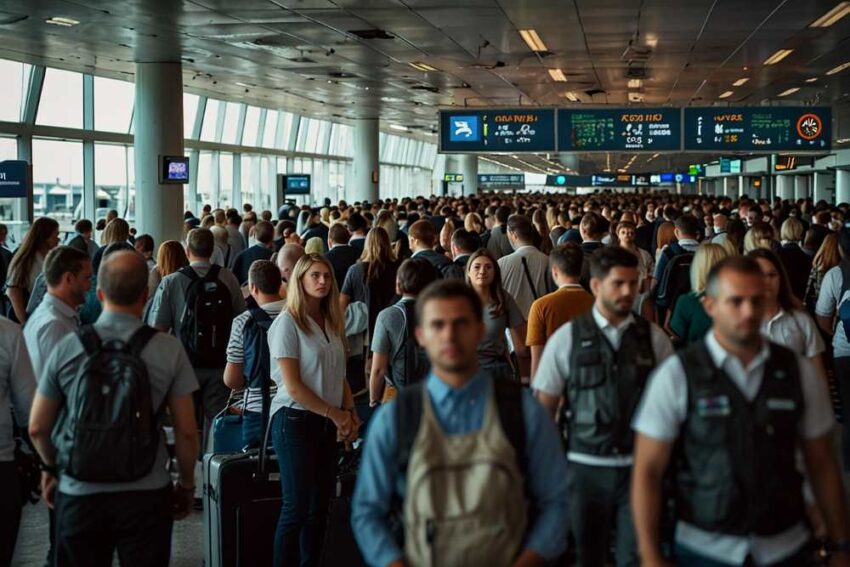 Image generated with Ai
Thousands of travelers are currently stranded across the United States as Republic, Air Canada, JetBlue, United, and other major airlines face significant travel disruptions. The ongoing situation has resulted in 1,223 cancellations and 2,527 delays, leaving passengers frustrated and confused. These disruptions are not isolated but have affected major cities like San Francisco, Dallas, Tampa, Indianapolis, Cleveland, and others. As the situation continues, flights across these hubs and other regional airports are being delayed or canceled, causing ripple effects nationwide. The chaos is the result of a combination of factors, including air traffic control shortages and the ongoing challenges airlines are facing.
Travelers are advised to stay updated on their flight statuses, as this situation is expected to persist. For those flying to or from affected cities, expect significant delays as airlines work to recover from this massive disruption.
Advertisement
Advertisement
Total Cancellations and Delays Across Major Airports
As the government shutdown enters its second week, the Federal Aviation Administration (FAA) has implemented flight restrictions at 40 major U.S. airports. These restrictions are causing a ripple effect, with hundreds of cancellations and delays every day. The total number of cancellations across these airports has reached 1,223, with projections that this could worsen as the FAA plans further reductions.
Delays are equally severe, with 2,527 delays already recorded. The impact of these disruptions has not only been felt at high-profile airports like LaGuardia (LGA) and Chicago O’Hare (ORD), but also in smaller regional hubs, leading to frustration and confusion for travelers.
Advertisement
Advertisement
LaGuardia Airport (LGA)
LaGuardia in New York City has seen the highest number of cancellations, with travelers experiencing significant delays. The airport has had 129 cancellations and 425 delays. Given its status as one of the busiest airports on the East Coast, this has resulted in a massive ripple effect for flights across the region, especially for passengers connecting through New York.
Chicago O’Hare International (ORD)
Chicago O’Hare is another major hub that has been deeply impacted by the shutdown. The airport has faced 121 cancellations and 217 delays. Delays at O’Hare are often compounded by weather disruptions, and with staff shortages in place, the situation has worsened. Chicago is a critical point for connecting flights, meaning many passengers are stranded or facing substantial delays as airlines attempt to re-route and manage disruptions.
Advertisement
Advertisement
Hartsfield-Jackson Atlanta International (ATL)
Atlanta’s Hartsfield-Jackson airport, the busiest in the world by passenger traffic, is not exempt from the chaos. The airport has experienced 118 cancellations and 132 delays, creating a ripple effect for both domestic and international flights. Atlanta serves as a major hub for Delta Airlines, and disruptions here can delay travel for passengers flying throughout the U.S. and abroad.
Denver International (DEN)
Denver has seen 92 cancellations and 87 delays. This airport is a key hub for United Airlines, and its operational problems are contributing to the broader disruption across the network. For passengers traveling from Denver, the delays are expected to continue as the FAA’s flight restrictions remain in place.
Advertisement
Advertisement
Boston Logan International (BOS)
Boston Logan Airport has had 76 cancellations and 144 delays, with travelers facing extended waiting times. The New England region, with its harsh weather conditions during winter, is particularly vulnerable to flight disruptions, making the staffing shortages at the airport even more problematic.
Other Affected Airports and Cities
Other cities severely impacted by these disruptions include Newark Liberty (EWR), Dallas-Fort Worth (DFW), John F. Kennedy (JFK), San Francisco (SFO), and Phoenix Sky Harbor (PHX). Airports in cities like Seattle (SEA), Miami (MIA), and Washington D.C. (DCA) are also feeling the pressure of reduced staffing and delays. With more than 50 airports affected across the country, the flight network is severely crippled.
Total Delays and Cancellations Nationwide
As of today, the total number of delays within, into, or out of the United States has reached a staggering 2,415. Simultaneously, there have been 1,217 cancellations across major airports. These figures highlight the widespread nature of the disruptions, which are affecting flights both domestically and internationally. With the FAA’s flight restrictions and air traffic controller shortages continuing, these numbers are expected to rise in the coming days.
Affected US Airlines: Impact of Cancellations and Delays
The ongoing disruptions have heavily affected major U.S. airlines, leading to significant cancellations and delays. Here’s a breakdown of how airlines have been impacted:
Advertisement
Advertisement
- SkyWest has experienced the most cancellations, with 264 flights canceled and 93 delayed. As a regional carrier, it operates many smaller flights that are crucial for connecting passengers across the U.S.
- Republic Airlines, operating under brands like American Eagle, has seen 159 cancellations and 210 delays, contributing to the widespread disruptions.
- Southwest Airlines has been severely affected, with 151 cancellations and 327 delays, impacting both domestic and international travel.
- Endeavor Air has had 101 cancellations and 179 delays, while Delta Air Lines faced 93 cancellations and 241 delays, significantly affecting its nationwide network.
- United Airlines has reported 73 cancellations and 134 delays, while American Airlines saw 52 cancellations and 241 delays.
Other carriers, including Envoy Air (66 cancellations, 24 delays), JetBlue (35 cancellations, 112 delays), and PSA Airlines (32 cancellations, 79 delays), have also been hit hard by the disruptions.
Regional carriers like GoJet, Mesa, and CommuteAir faced smaller numbers of cancellations and delays but still contributed to the overall chaos.
In total, these airlines have been dealing with thousands of disruptions, affecting passengers’ travel plans across the country. Travelers should remain flexible and monitor their flights closely for updates.
What Affected Passengers Can Do Now
For passengers facing flight cancellations and delays, it’s essential to stay informed and prepared. Here are some steps passengers can take:
- Monitor Flight Statuses: Regularly check flight status on the airline’s website or through mobile apps to stay up-to-date on any changes. Airlines are often updating schedules in real-time.
- Contact Airlines for Rebooking: If your flight is cancelled, contact your airline immediately to rebook your flight. Many airlines are offering free rebooking options due to the current situation.
- Consider Alternate Routes: Given the widespread disruptions, exploring alternate routes or airports in nearby cities may provide an option to get to your destination faster.
- Pack Essentials for Delays: With long wait times expected, travelers should pack snacks, entertainment, and necessary medications to make the delays more bearable.
- Be Patient with Airline Staff: Understand that airline personnel are also under pressure, and showing patience and kindness will help both you and the staff manage the situation more effectively.
Conclusion: Navigating the Chaos
As the government shutdown continues, the aviation industry remains in turmoil. Airports across the U.S. are experiencing severe disruptions, with 1,223 cancellations and 2,527 delays reported. The ongoing shortage of air traffic controllers, compounded by weather conditions and staffing challenges, has left many travelers frustrated and stranded.
Passengers must remain vigilant, flexible, and patient, as the situation is likely to persist in the short term. As the FAA seeks to resolve staffing issues, the effects on U.S. air travel will continue to ripple across major airports in cities like New York, Chicago, Atlanta, and Denver. For now, the best course of action is to stay informed, reach out to airlines for assistance, and prepare for a longer-than-expected journey.
Source: FlightAware and Affected Airports, AP News
Advertisement
