

Timbuktu Travel expands global portfolio, Nepal added as multi experience destination blending culture nature and adventure

Published
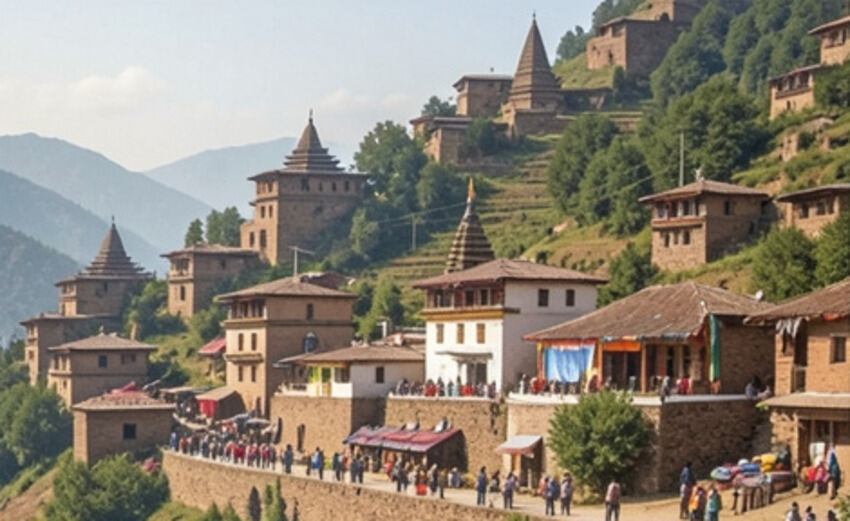 Image generated with Ai
Timbuktu Travel has widened its international reach with the addition of Nepal, bringing a destination known for its striking contrasts into its portfolio of curated, multi-stop journeys. The move reflects a growing appetite among travellers for trips that blend culture, nature and adventure rather than sticking to conventional, single-destination itineraries.
The travel platform, built around a technology-first model, allows users to design complex journeys through a single interface that combines stays, activities and logistics with dynamic pricing. By introducing Nepal, the company is tapping into a market where diversity is built into the landscape itself—where ancient cities, mountain trails and wildlife reserves sit within relatively close proximity.
Advertisement
Advertisement
The newly launched itineraries are designed to reflect this range. Travellers can begin in densely layered urban environments before moving into alpine regions or subtropical forests, creating a journey that shifts in pace and setting without requiring extensive travel between locations. The emphasis remains on flexibility, with users able to tailor routes based on their interests.
Nepal has been drawing increasing global attention, particularly among those seeking more immersive forms of travel. Its terrain spans from lowland plains to some of the highest peaks on Earth, offering experiences that range from cultural exploration to high-altitude trekking. This natural and cultural variety has helped position the country as a destination that caters to different travel styles within a single trip.
Advertisement
Advertisement
Kathmandu continues to anchor most visits, acting as both a gateway and a cultural focal point. The city’s historic squares, temples and layered architecture provide insight into centuries-old traditions, while nearby areas in the valley are gaining renewed interest for their blend of heritage and evolving local experiences, including food and crafts.
From the capital, many journeys extend to Pokhara, a city defined by its lakeside setting and panoramic mountain views. It serves as a transition point between urban exploration and outdoor activity, offering access to trekking routes while maintaining a more relaxed atmosphere. Its growing popularity reflects the demand for destinations that combine accessibility with scenic value.
Advertisement
Advertisement
Further south, Nepal’s protected areas introduce a different dimension. Chitwan National Park remains one of the most visited wildlife destinations in the country, known for its biodiversity and safari-style experiences. Visitors can encounter species such as rhinoceroses and elephants while exploring river systems and forested landscapes.
For those looking to venture further, Bardia National Park offers a quieter alternative. Its remote location and lower visitor numbers make it appealing to travellers seeking a deeper connection with nature. The park is known for its rich ecosystems and the possibility of spotting wildlife including tigers and river dolphins, adding an element of unpredictability to the experience.
Advertisement
Advertisement
At the same time, attention is gradually shifting toward regions that have traditionally seen fewer visitors. Places such as Langtang Valley, Mustang and the remote Rara Lake area are emerging as options for travellers interested in less commercialised routes. These locations combine physical exploration with cultural encounters, often in settings that feel largely untouched.
This growing interest in lesser-known destinations mirrors a wider change in travel behaviour. Rather than focusing solely on well-established hotspots, many travellers are now seeking journeys that feel more personal and less crowded. Nepal’s geography makes it well suited to this shift, offering both iconic experiences and quieter alternatives within the same country.
Accessibility has also improved, supporting the rise in visitor numbers. Tribhuvan International Airport continues to handle the majority of international arrivals, and expanding air links are making it easier to reach the country from key global markets. This increased connectivity is helping position Nepal as a more viable option for a broader range of travellers.
To mark the launch, Timbuktu Travel has introduced themed journeys that highlight different aspects of the destination. One itinerary connects the cultural heart of Kathmandu with the natural landscapes of Pokhara and the wildlife habitats of Chitwan, offering a progression from heritage to mountains to जंगल environments. The structure allows travellers to experience multiple facets of the country within a single, cohesive trip.
Advertisement
Advertisement
Another itinerary takes a more extended route, combining city experiences with deeper exploration of remote regions. This journey includes time in protected areas such as Bardia, where guided safaris and nature-based activities provide opportunities to observe wildlife and engage with local communities. Village visits and cultural interactions add another layer to the experience, moving beyond sightseeing into lived experiences.
A defining feature of these itineraries is their adaptability. Travellers are not locked into fixed schedules and can modify elements based on their preferences, whether that involves adding trekking days, focusing on wildlife or spending more time in cultural centres. This approach reflects a broader industry trend toward personalisation and control.
The expansion also aligns with increasing awareness around responsible travel. Nepal’s tourism sector depends heavily on its natural and cultural resources, and there is growing emphasis on preserving these assets while supporting local livelihoods. Travellers are becoming more conscious of how and where they travel, and destinations that can balance experience with sustainability are gaining ground.
By bringing Nepal into its network, Timbuktu Travel is strengthening its position in a segment of the market that prioritises depth, flexibility and authenticity. The country’s ability to offer multiple experiences—ranging from high-altitude landscapes to wildlife encounters and cultural immersion—makes it a natural fit for this model.
As travel preferences continue to evolve, destinations that deliver variety without sacrificing authenticity are likely to see sustained interest. Nepal’s mix of established highlights and emerging regions places it firmly in that category, offering travellers the chance to build journeys that are as varied as they are meaningful.
Advertisement
