
Germany Travel Guide: What Every Traveler Should Know Before Visiting
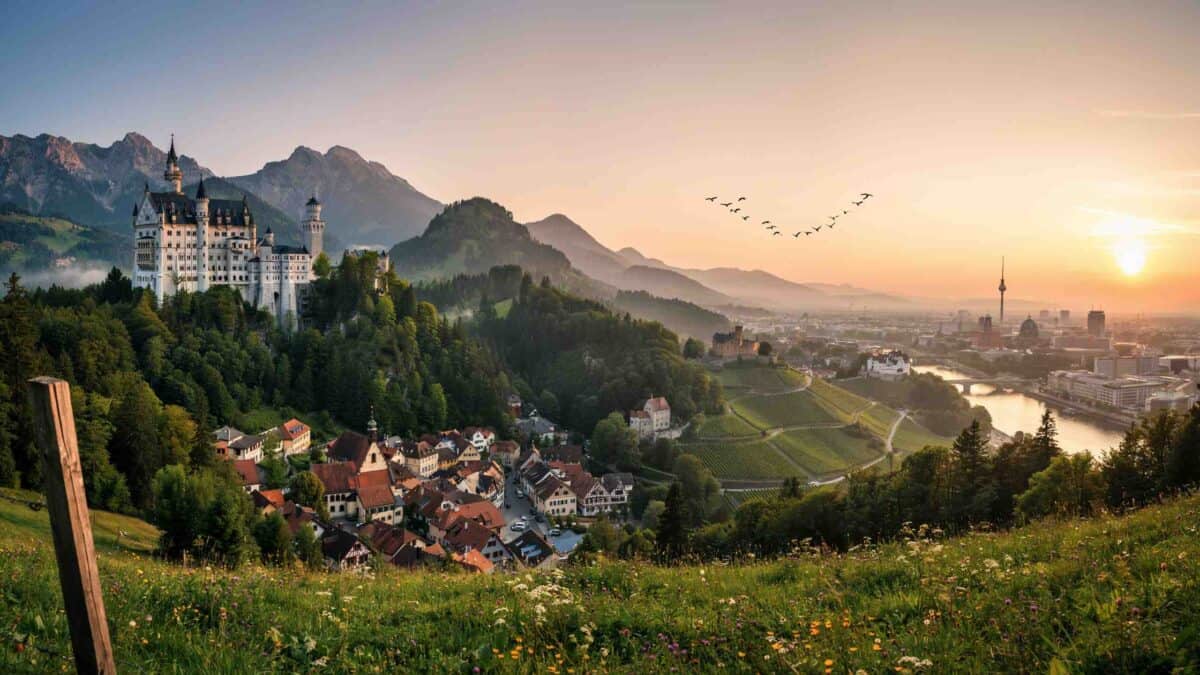
Germany is one of Europe’s most rewarding destinations, offering a fascinating blend of history, culture, natural beauty, and modern urban life. Whether you’re exploring medieval towns, wandering through vibrant cities, cruising along scenic rivers, or discovering centuries-old castles, Germany delivers experiences that appeal to every type of traveler.
From world-famous festivals and traditional cuisine to picturesque countryside landscapes and efficient transportation networks, the country makes it easy to experience multiple destinations in a single trip. Whether you’re planning your first visit or returning to explore new regions, understanding how to navigate Germany can help you make the most of your journey.
Why Germany Continues to Attract Global Travelers
Germany offers an impressive variety of experiences within a relatively compact area. Travelers can spend the morning exploring historic architecture in one city and finish the day surrounded by vineyards, forests, or mountain scenery.
The country is home to internationally recognized destinations such as Berlin, Munich, Hamburg, Cologne, and Frankfurt, while smaller towns provide an entirely different atmosphere filled with traditional charm and local culture. Visitors can explore fairy-tale castles, UNESCO-listed heritage sites, scenic river valleys, and lively public squares that showcase Germany’s rich history.
Advertisement
Advertisement
Food and drink also play a major role in the travel experience. Regional specialties vary across the country, giving visitors the opportunity to sample everything from hearty meat dishes and fresh baked goods to world-famous beers and wines.
Getting Around Germany With Ease
Germany is known for having one of Europe’s most efficient transportation systems. Traveling between cities is straightforward thanks to a comprehensive network of trains, domestic flights, and long-distance buses.
Advertisement
Advertisement
Train travel is often the preferred option for visitors because it offers comfortable journeys, frequent departures, and convenient connections between major destinations. High-speed rail services make it possible to travel across the country in just a few hours, allowing travelers to maximize their time exploring rather than commuting.
Domestic flights are another option for longer distances, particularly when traveling between northern and southern regions. Depending on the route and season, air travel can be competitive in both price and travel time.
Advertisement
Advertisement
Budget-conscious travelers may prefer long-distance bus services, which connect major cities and smaller destinations at affordable rates. These services have become increasingly popular among tourists looking to reduce transportation costs.
Navigating German Cities
Once inside Germany’s cities, getting around is usually simple and efficient. Most urban areas have extensive public transportation systems that include underground trains, suburban rail services, buses, and trams.
Large cities such as Berlin, Munich, and Hamburg offer excellent metro networks that allow visitors to reach popular attractions quickly and conveniently. Public transportation is generally reliable, clean, and well-signposted, making it accessible even for first-time visitors.
Taxis and ride-hailing services are widely available throughout the country. While they offer convenience, they are typically more expensive than public transportation and are often used for shorter journeys or late-night travel.
Advertisement
Advertisement
Many German cities are also highly walkable, allowing travelers to explore historic districts, shopping streets, and cultural landmarks on foot.
Essential Travel Information Before You Go
Germany uses the Euro as its official currency, making transactions straightforward for visitors traveling within the Eurozone. Credit and debit cards are commonly accepted, although carrying some cash can be useful when visiting smaller towns, local markets, or independent businesses.
German is the official language spoken throughout the country. However, travelers will find that English is widely understood in major cities, tourist areas, hotels, restaurants, and transportation hubs. Basic German greetings and phrases are appreciated by locals and can enhance interactions during your trip.
Germany operates on Central European Time, with daylight saving time observed between spring and autumn. Travelers should keep this in mind when planning international flights and connections.
Understanding Germany’s Climate
Germany experiences four distinct seasons, each offering unique travel opportunities. Summer is one of the most popular times to visit, with pleasant temperatures and longer daylight hours creating ideal conditions for sightseeing, festivals, and outdoor activities.
While summer temperatures can vary significantly depending on the region, travelers generally enjoy comfortable conditions for exploring cities, river cruises, and countryside destinations. Occasional rainfall is common, particularly during warmer months.
Advertisement
Advertisement
Winter brings cooler temperatures and festive seasonal experiences. Although heavy snowfall is not widespread across much of the country, some regions experience winter weather that creates picturesque landscapes and holiday market settings.
Spring and autumn are often considered excellent times to visit. Mild temperatures, colorful scenery, and fewer crowds make these seasons particularly attractive for travelers seeking a more relaxed experience.
Planning the Perfect German Adventure
Germany’s combination of cultural heritage, efficient transportation, diverse landscapes, and welcoming atmosphere makes it one of Europe’s most versatile destinations. Whether you’re interested in history, food, nature, architecture, or city life, the country offers countless opportunities for discovery.
From bustling urban centers to peaceful villages and scenic countryside routes, Germany provides experiences that suit every travel style and budget. With easy transportation options, comfortable seasonal weather, and a wealth of attractions spread across the country, travelers can enjoy a seamless and memorable journey while exploring one of Europe’s most fascinating destinations.
Advertisement
