
Veliko Tarnovo Teams Up With Berat and More as Hidden Small-Town Gems of Europe Budget Travellers for Unforgettable 2026 Autumn Escapes!

Published
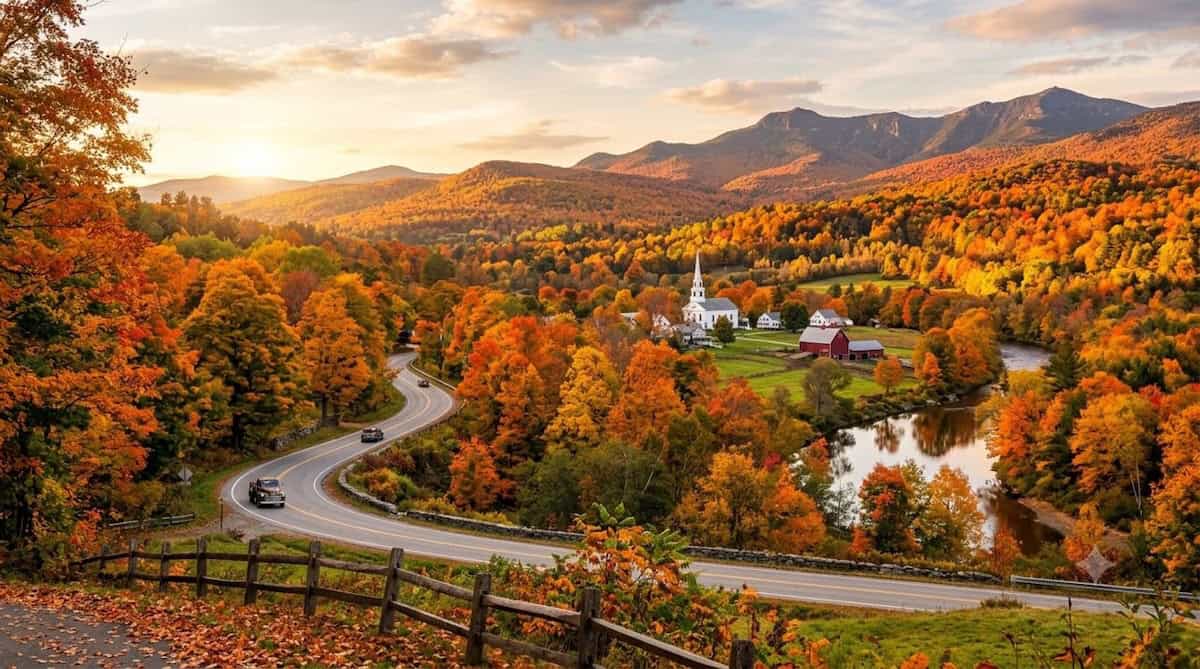
Veliko Tarnovo teams up with Berat and more to put Europe’s hidden small-town gems in the spotlight for unforgettable 2026 autumn escapes. For budget travellers seeking history, scenic landscapes and authentic cultural experiences, these charming destinations offer fresh inspiration beyond Europe’s crowded capitals. From Veliko Tarnovo’s medieval landmarks to Berat’s picturesque Ottoman-era architecture, each town promises a distinctive autumn adventure. Moreover, these hidden small-town gems of Europe invite visitors to explore historic streets, savour local flavours and discover memorable experiences without overspending. Travel And Tour World urges global travellers to explore these remarkable destinations and plan unforgettable 2026 autumn escapes.
Seven Cheap European Small Towns to Visit in 2026 for Affordable Holidays, Historic Streets and Authentic Local Experiences
Why smaller European destinations deserve a place on the 2026 travel list
European travel does not have to revolve around expensive capital cities or famous resort destinations. Smaller historic towns can offer impressive architecture, regional cuisine, traditional markets and access to nature without requiring a packed sightseeing schedule.
The wider tourism market provides useful context. Eurostat reported more than 3 billion nights spent in EU tourist accommodation establishments in 2024, approximately 2.2% above 2023. International visitors accounted for much of the increase.
For budget-conscious visitors, this creates an important planning opportunity. Travellers can compare destinations beyond Europe’s busiest gateways and consider places where a shorter itinerary, regional transport and locally run accommodation may suit their budget.
Advertisement
Advertisement
The following seven destinations offer different experiences for 2026. The list combines historic towns, smaller regional cities and compact cultural centres. Affordability should be assessed using current accommodation, transport and dining prices rather than assumed from a destination’s reputation.
Seven affordable European small towns to explore in 2026
Budget figures are planning estimates, not verified live quotations. They exclude international flights and vary by season, room occupancy and travel style.
Advertisement
Advertisement
| Destination | Country | Suggested stay | Indicative daily budget per person |
|---|---|---|---|
| Veliko Tarnovo | Bulgaria | 2 nights | €35–€70 |
| Berat | Albania | 2 nights | €30–€65 |
| Gjirokastër | Albania | 2 nights | €35–€70 |
| Mostar | Bosnia and Herzegovina | 2 nights | €35–€75 |
| Sibiu | Romania | 2–3 nights | €40–€80 |
| Piran | Slovenia | 2 nights | €55–€110 |
| Sighișoara | Romania | 1–2 nights | €35–€75 |
These ranges are indicative budgeting scenarios for basic to mid-range travel, not official national averages. They include an allowance for accommodation, meals, local transport and modest sightseeing. Check current prices before publication or booking.
1. Veliko Tarnovo, Bulgaria, combines medieval history with hilltop views
Veliko Tarnovo is an excellent option for travellers who enjoy historic architecture and dramatic landscapes. The former Bulgarian capital is associated with the medieval Bulgarian state and the Tsarevets fortress complex.
Advertisement
Advertisement
Visitors can explore Tsarevets, walk through the old streets and browse the craft shops around Samovodska Charshia. The town’s hillside setting also creates viewpoints overlooking the Yantra River and surrounding buildings.
A practical two-day itinerary begins with the fortress and historic centre on day one. Day two can include craft workshops, local restaurants and a slower walk through residential streets.
Official tourism statistics
Bulgaria’s National Statistical Institute publishes accommodation-night figures for selected cities. Its data recorded 184,845 nights in Veliko Tarnovo during 2024, including 120,754 by residents and 64,091 by non-residents. In 2025, the total reached 195,725 nights, comprising 120,833 resident nights and 74,892 non-resident nights.
| Indicator | 2024 | 2025 | Change |
|---|---|---|---|
| Total accommodation nights | 184,845 | 195,725 | +5.9% |
| Resident nights | 120,754 | 120,833 | +0.1% |
| Non-resident nights | 64,091 | 74,892 | +16.9% |
Changes are calculated from the published totals and rounded to one decimal place. These are overnight stays, not unique visitors.
Advertisement
Advertisement
The data indicate that non-resident overnight stays accounted for much of the town’s additional accommodation activity in 2025. Travellers should still compare hotel prices, as a larger number of overnight stays does not automatically mean cheaper rooms.
2. Berat, Albania, offers Ottoman-era architecture and a relaxed pace
Berat is known for its historic quarters, white houses climbing the hillside and views across the Osum River. Its distinctive urban landscape makes it particularly appealing to visitors interested in architecture and photography.
Begin in Mangalem, explore the historic streets and cross towards Gorica to see the town from another perspective. Berat Castle provides a longer excursion, with historic structures and panoramic views rewarding the uphill walk.
A two-day stay offers time for the castle, local dining and a relaxed exploration of the old neighbourhoods. Comfortable shoes are essential because the historic streets can be steep and uneven.
Albania’s national tourism figures provide context for interest in the country. The official tourism agency reported 11.7 million foreign visitors in 2024, approximately 15.2% more than in 2023. This is a countrywide figure, not a count of visitors to Berat.
For a budget-conscious visit, compare guesthouses inside the historic quarters with accommodation outside the central area. Confirm whether breakfast, parking and local transfers are included before booking.
Advertisement
Advertisement
3. Gjirokastër, Albania, rewards visitors with stone architecture
Gjirokastër offers a different architectural experience from Berat. Stone-roofed houses, sloping lanes and an imposing hilltop castle give the town a distinctive character.
Spend the first morning exploring the Old Bazaar and its small shops. Continue towards Gjirokastër Castle to discover historic fortifications and expansive views over the Drino Valley.
On the second day, visit traditional houses or local museums where opening hours permit. Leave time for regional food and photography rather than attempting to cover every attraction in a single afternoon.
The town is a good candidate for travellers who prefer a small historic centre to a major metropolitan itinerary. However, its steep terrain may present challenges for visitors with limited mobility.
As with Berat, Albania’s national tourism figures should not be presented as town-specific arrivals. The country’s statistical institute publishes accommodation data separately, allowing more precise comparisons when the relevant local tables are available.
4. Mostar, Bosnia and Herzegovina, brings heritage and riverside scenery together
Mostar is a strong choice for travellers interested in cultural heritage and scenic urban walks. Its famous Stari Most bridge and surrounding Old Town form the centrepiece of many visits.
Advertisement
Advertisement
Start early to explore the historic lanes before the busiest sightseeing hours. Visit the river viewpoints, browse traditional craft shops and pause at a riverside café.
A second day can include museums and a carefully planned excursion into the surrounding Herzegovina region. Travellers should compare organised tours with public transport, particularly when visiting places beyond the town centre.
Budget planning should account for accommodation location, restaurant choices and the cost of guided excursions. The Old Town is convenient, but visitors may find different prices by comparing options a short walk away.
For official visitor statistics, use the relevant national or regional statistical authority’s accommodation-arrival and overnight-stay data. Avoid presenting bridge crossings, day-trip estimates or general regional tourism figures as confirmed annual visitors to Mostar.
5. Sibiu, Romania, blends colourful squares with Transylvanian culture
Sibiu is a rewarding destination for travellers who want a compact historic centre, attractive squares and a taste of Transylvanian culture. Its architectural character makes it suitable for a weekend break or a longer regional itinerary.
Begin in the Grand Square, continue towards the Small Square and cross the Bridge of Lies. The surrounding streets contain historic buildings, cafés and restaurants where visitors can take breaks between sightseeing stops.
Advertisement
Advertisement
On the second day, explore museums and local markets. Travellers with more time can investigate excursions into the surrounding countryside, checking journey times and return transport before committing to a day trip.
Romania’s official tourism statistics should be used to distinguish Sibiu city from Sibiu County. County-level accommodation figures cover a wider area and cannot be treated as the number of visitors staying within the city itself.
For a lower-cost stay, compare guesthouses and apartments with hotels in the historic centre. A property near a convenient bus stop can be useful if your itinerary extends beyond the pedestrian streets.
6. Piran, Slovenia, provides Adriatic views without a large-city itinerary
Piran is a compact coastal town with Venetian-influenced architecture, a historic central square and views over the Adriatic Sea. Its walkable layout makes it appealing to visitors who prefer unhurried sightseeing.
Start at Tartini Square, explore the narrow streets and walk along the waterfront. The town walls and elevated viewpoints provide opportunities to appreciate the coastal setting, subject to opening times and access arrangements.
A two-day itinerary can combine historic sightseeing with a coastal walk and a meal featuring local seafood. Travellers should check restaurant menus and seasonal prices before choosing where to eat.
Advertisement
Advertisement
Slovenia’s national tourism statistics show the scale of the wider tourism market. The country’s Statistical Office recorded 6,583,274 tourist arrivals and 16,853,075 overnight stays in 2024. Foreign visitors accounted for 5,053,536 arrivals and 12,352,903 nights.
These national totals cannot establish how many tourists visited Piran specifically. However, the official statistical database provides municipality-level data that can be used to examine the coastal town’s accommodation performance separately.
Piran can be more expensive than inland destinations during busy coastal periods. Consider visiting outside peak summer weeks and compare accommodation in nearby towns, including the cost of getting to the historic centre.
7. Sighișoara, Romania, offers a colourful medieval escape
Sighișoara is a compelling option for visitors who enjoy medieval architecture, cobbled lanes and small-town atmosphere. Its historic citadel is a highlight for travellers seeking a destination that can be explored without a complicated transport schedule.
Walk through the citadel, visit the Clock Tower area and admire the colourful buildings along the narrow streets. The covered wooden Scholars’ Stairway is another distinctive feature of the historic town.
Allow time for cafés and small museums, then use the second day for a slower walk beyond the busiest visitor areas. The compact centre makes it possible to enjoy the destination without purchasing numerous organised tours.
Advertisement
Advertisement
As with Sibiu, verify whether any published statistics refer to Sighișoara itself or to the wider Mureș County. County-wide arrivals and overnight stays are not a reliable substitute for town-level figures.
Travellers should also check train schedules and onward connections when planning Sighișoara as part of a wider Romanian itinerary. Rail travel can be practical, but journey duration and departure frequency need to be confirmed for the chosen date.
Five-year tourism statistics: what the official data show
A responsible comparison must distinguish the number of tourists accommodated from the number of nights they spend. The following table uses official national figures where available and identifies the measurement clearly.
Table 1. Estonia’s accommodated tourists, 2021–2025
Estonia is relevant to the wider affordable-European-travel discussion because smaller destinations can be visited alongside the country’s better-known capital. The national series below is not a Tallinn-only or small-town-only count.
| Year | Tourists accommodated (millions) | Annual comparison |
|---|---|---|
| 2021 | 2.1 | Pandemic-era travel conditions |
| 2022 | 3.3 | Strong recovery |
| 2023 | 3.4 | Further recovery |
| 2024 | 3.6 | +5% year on year |
| 2025 | 3.7 | +2% year on year |
Source: Statistics Estonia. Figures are rounded to one decimal million.
The series shows a substantial recovery from 2021. Between 2021 and 2025, the rounded national total increased from 2.1 million to 3.7 million accommodated tourists. Because the values are rounded, the percentage change calculated from this table would be approximate.
Advertisement
Advertisement
Statistics Estonia reported that foreign tourists accounted for nearly 1.95 million accommodated visitors in 2025, while domestic tourists accounted for approximately 1.74 million. Total overnight stays reached 6.7 million.
Table 2. Latvia’s official accommodation statistics
Latvia provides another useful comparison for travellers considering Baltic destinations and regional city breaks.
| Indicator | 2023 | 2024 | Change |
|---|---|---|---|
| Accommodation arrivals | Approximately 2.4 million | 2.7 million | +10.9% |
| Accommodation nights | Approximately 4.4 million | 4.7 million | +7.4% |
| Non-resident arrivals in 2024 | — | 1.6 million | +14.3% |
The 2023 arrival figure is approximate; the official release provides the 2024 total and year-on-year rate. Non-resident arrivals refer to accommodation establishments, not border crossings.
Latvia’s official statistics show that accommodation arrivals and overnight stays both increased in 2024. This helps establish the broader context for regional travel, but it does not prove that every small town experienced the same pattern.
Table 3. Bulgaria’s wider tourism context in 2025
Bulgaria’s National Statistical Institute provides accommodation data at both city and regional levels. Its 2025 national accommodation table reported the following indicators.
| Indicator | 2025 |
|---|---|
| Accommodation establishments | 4,102 |
| Available bed places | 374,665 |
| Arrivals at accommodation establishments | 16,083,286 |
| Overnight stays | 28,816,601 |
| Revenue from overnight stays | €1.43 billion approximately |
The national data provide context for Bulgaria’s tourism industry, while the city-level table for Veliko Tarnovo offers a more relevant measure for visitors considering a small-town holiday.
Advertisement
Advertisement
The distinction matters for editorial accuracy. National arrivals can include multiple destinations and repeat trips, while overnight stays measure accommodation use. Neither figure should be described as a count of unique people visiting a particular town.
Comparing the seven destinations for a 2026 holiday
The following comparison helps international visitors decide which town best suits their interests, travel time and budget. The cost bands are planning estimates rather than official price averages.
Table 4. Destination planning and travel-style comparison
| Town | Best for | Suggested trip length | Budget priority |
|---|---|---|---|
| Veliko Tarnovo | Medieval history and hilltop views | 2 days | Fortress entry and local transport |
| Berat | Historic architecture and photography | 2 days | Guesthouse location and walking routes |
| Gjirokastër | Stone architecture and cultural heritage | 2 days | Hillside accommodation and museum fees |
| Mostar | Riverside scenery and heritage | 2 days | Guided excursions and restaurant choices |
| Sibiu | Squares, museums and Transylvanian culture | 2–3 days | Central accommodation and day trips |
| Piran | Adriatic scenery and coastal walks | 2 days | Seasonal accommodation and parking |
| Sighișoara | Medieval streets and a slower pace | 1–2 days | Rail connections and overnight stays |
A practical 14-day itinerary for budget-conscious travellers
Visiting all seven towns in one holiday is possible in principle, but it requires several international transfers. A more realistic itinerary groups destinations by geography and avoids unnecessary backtracking.
Table 5. Suggested route and time allocation
| Days | Destination | Suggested activities |
|---|---|---|
| 1–2 | Veliko Tarnovo, Bulgaria | Tsarevets, historic streets and craft shops |
| 3–4 | Berat, Albania | Historic quarters, castle and riverside walks |
| 5–6 | Gjirokastër, Albania | Old Bazaar, castle and traditional houses |
| 7–8 | Mostar, Bosnia and Herzegovina | Stari Most, Old Town and regional cuisine |
| 9–11 | Sibiu, Romania | Historic squares, museums and local food |
| 12–13 | Sighișoara, Romania | Medieval citadel and Clock Tower area |
| 14 | Piran, Slovenia | Coastal walk and historic centre |
Important transport consideration: This is a destination sequence, not a fully verified transport schedule. The towns are spread across southeastern and central Europe, and there is no single convenient direct route linking every stop. Check current flights, buses, trains, border requirements and transfer times before booking. For a more comfortable holiday, split the route into two separate trips.
For example, combine Veliko Tarnovo with other Bulgarian destinations, or visit Berat and Gjirokastër together. Sibiu and Sighișoara can form a Romanian cultural itinerary, while Piran can be paired with Slovenia’s other coastal and inland destinations.
How much should travellers budget?
Costs depend heavily on departure dates, accommodation standards and the number of paid activities. A useful budget should include a contingency for transfers, weather changes and unexpected expenses.
Advertisement
Advertisement
Table 6. Illustrative seven-day budget for one traveller
| Expense | Lower-cost estimate | Mid-range estimate |
|---|---|---|
| Accommodation, 6 nights | €120 | €300 |
| Meals and drinks | €105 | €210 |
| Local transport | €30 | €70 |
| Attractions and activities | €25 | €70 |
| Regional transfers | €50 | €150 |
| Contingency | €35 | €80 |
| Estimated total | €365 | €880 |
Illustrative estimates only. They are not live quotations or verified averages for the seven towns. International flights, visas, travel insurance and long-distance transfers between every destination may add substantially to the total.
Travellers can keep expenses under control by staying in guesthouses, booking refundable accommodation where practical, eating at local establishments and grouping attractions by neighbourhood. Free walking routes and public spaces can also provide memorable experiences without requiring a paid tour every day.
Five-year data checklist for accurate travel reporting
A full 2021–2025 comparison for all seven towns requires comparable annual data for each individual municipality. The available official figures establish some useful benchmarks, but they do not provide a complete, consistent series for every destination in this list.
Before publishing a town-by-town statistical ranking, verify the following:
- Tourist arrivals: The number of arrivals registered by accommodation establishments in the town.
- Overnight stays: The number of nights spent by guests, separated into domestic and international visitors when available.
- Average length of stay: Total overnight stays divided by tourist arrivals, provided the underlying definitions match.
- Accommodation capacity: Available rooms and beds, which help explain the supply of visitor accommodation.
- Seasonality: Monthly arrivals and overnight stays, especially during September and October.
- Price comparison: Comparable accommodation and meal costs collected for the same travel dates and standards.
The official sources most useful for further verification include the Bulgarian National Statistical Institute, Albanian Institute of Statistics, Romanian National Institute of Statistics, Statistical Office of the Republic of Slovenia, and Statistics Estonia.
The available data should not be used to claim that a town is cheaper simply because it has fewer overnight stays. Visitor volumes measure tourism activity, not the cost of a holiday.
Advertisement
Advertisement
Why these seven towns deserve attention in 2026
Smaller European destinations offer travellers an alternative to itineraries built entirely around major capitals. Veliko Tarnovo provides medieval Bulgarian history, Berat and Gjirokastër reveal Albania’s architectural heritage, and Mostar combines river scenery with cultural landmarks.
Sibiu and Sighișoara offer different ways to explore Transylvania, while Piran provides a coastal experience in Slovenia. Each destination can support a rewarding short break when accommodation, transport and sightseeing are planned carefully.
For Travel And Tour World readers, the most useful takeaway is to compare complete holiday costs and confirm local travel arrangements before departure. Official tourism statistics can explain visitor patterns, but current prices and practical transport details are what ultimately determine whether a trip fits a traveller’s budget.
Conclusion
Veliko Tarnovo teams up with Berat and more to showcase the hidden small-town gems of Europe for unforgettable 2026 autumn escapes. From medieval fortresses and cobbled streets to picturesque coastlines and traditional cuisine, these destinations offer budget travellers rewarding alternatives to Europe’s crowded capitals. Moreover, autumn provides an opportunity to explore local culture, enjoy scenic walks and create memorable experiences with thoughtful planning. Although travel costs vary by destination and season, comparing accommodation, transport and sightseeing expenses can help visitors manage their budgets. Travel And Tour World encourages global travellers to discover these charming European towns and turn their 2026 autumn escapes into extraordinary journeys filled with history, culture and authentic discoveries.
Advertisement
