
Why the 2026 Eswatini International Trade Fair in Manzini is Africa’s Top Cultural Spectacle

Updated
Published
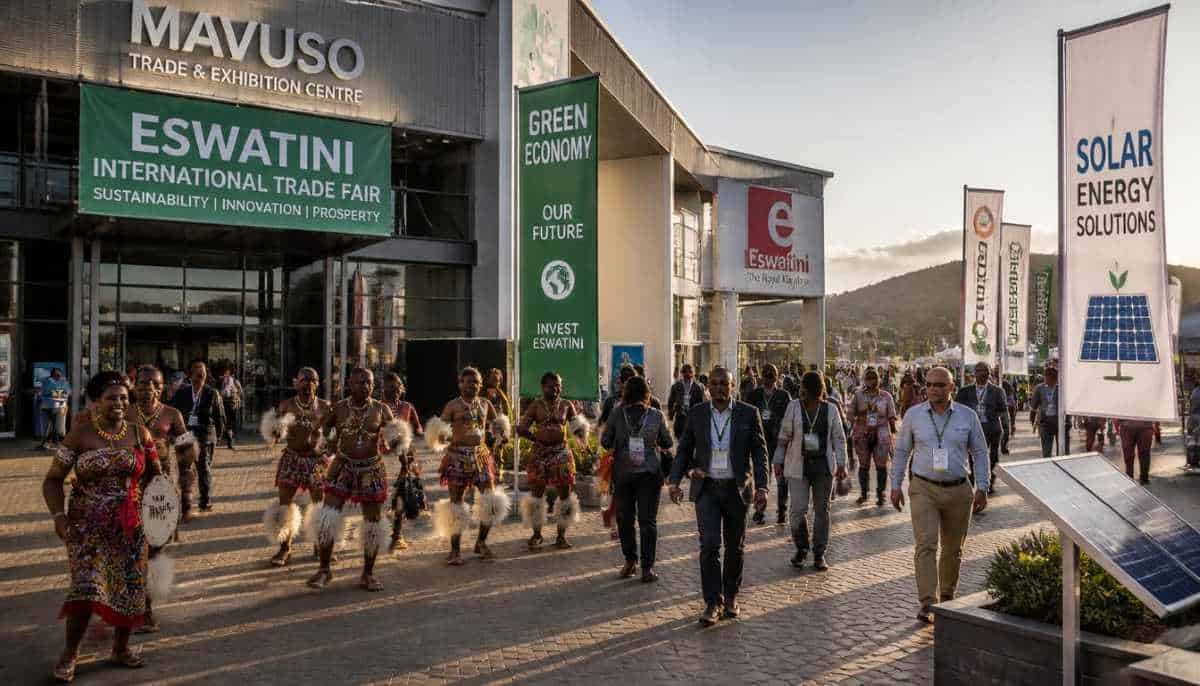
Located in the busy centre of Manzini, the Mavuso Trade and Exhibition Centre is the present-day hub of regional trade and cultural celebration. Historically, the Eswatini International Trade Fair (EITF) was seen as a corporate networking space. But the ongoing 2026 edition, which runs until September 6, is rebranding the exposition as a leading tourism destination. The theme of this year’s edition is “Unlocking Green Economy Opportunities for Sustainable Trade Promotion”. Visitors will be able to experience a genuine display of local culture and heritage, perfectly matched with futuristic commercial presentations.
As sustainable development informs travel plans today, a look at the eco-conscious initiatives of major African trade expositions offers a useful perspective for global explorers. The shift from traditional corporate expos to broader cultural and environmental showcases reflects a broader evolution in the planning of regional events. Additional background on how initiatives like the EITF continue to enhance the Kingdom’s global stature comes from an in-depth analysis of growth statistics for Southern African tourism.
Understanding the Eswatini International Trade Fair
What is the Eswatini International Trade Fair, and where is it held? The Eswatini International Trade Fair is the Kingdom of Eswatini’s largest annual multi-sectoral exhibition. It is permanently hosted at the state-of-the-art Mavuso Trade and Exhibition Centre located in Manzini, the country’s vibrant commercial hub. This expansive venue accommodates thousands of local and international exhibitors, government agencies, small and medium enterprises (SMEs), and cultural troupes.
When is the Eswatini International Trade Fair held, and what are the main attractions? The event traditionally takes place between late August and early September, with the current 2026 edition scheduled to run until September 6. Key attractions include commercial trade exhibitions, agricultural showcases, live musical performances, traditional Swazi dance competitions, artisanal craft markets, and specialized culinary pavilions highlighting indigenous cuisine.
Advertisement
Advertisement
Why is the green economy theme significant for visitors? Operating under the theme ‘Unlocking Green Economy Opportunities for Sustainable Trade Promotion’, the 2026 fair emphasizes renewable energy solutions, sustainable agriculture, and ecotourism initiatives. Visitors are introduced to pioneering green technologies developed by regional enterprises, reflecting the nation’s strategic alignment with global environmental goals as outlined by the Eswatini Ministry of Commerce, Industry and Trade.
Navigating the Mavuso Trade and Exhibition Centre
The sprawling layout of the Mavuso Trade and Exhibition Centre is meticulously zoned to separate corporate enterprise from cultural exhibition, thereby ensuring a seamless visitor experience. Hall spaces are dedicated to international trade delegations, financial institutions, and telecommunications giants, whereas outdoor arenas serve as vibrant stages for cultural pageantry.
Advertisement
Advertisement
Corporate pavilions showcase advancements in manufacturing, logistics, and digital infrastructure. According to reports published by the Eswatini Investment Promotion Authority (EIPA), the integration of sustainable practices across these sectors remains a primary benchmark for participation. Exhibitors are evaluated not only on commercial viability but also on their adherence to eco-friendly production methods, ensuring that trade promotion aligns with environmental preservation.
Cultural Spectacle and Tourism Integration
Beyond corporate networking, the fair functions as an immersive cultural showcase. Visitors are treated to daily performances of traditional Sibhaca dance and choral music, which are performed in ceremonial attire that honours historical lineages. Artisanal displays feature intricate beadwork, hand-carved woodwork, and locally produced textiles, offering an authentic glimpse into the nation’s heritage.
Tourism boards utilize the platform to promote key national attractions, including the Hlane Royal National Park, Mlilwane Wildlife Sanctuary, and the Mantenga Cultural Village. Travel agencies stationed within the tourism pavilion offer discounted excursion packages, enabling fairgoers to easily extend their itineraries beyond Manzini. This strategic integration transforms a standard trade exhibition into a comprehensive national tourism campaign, encouraging longer stays and increased expenditure within the local economy.
Sustainable Trade and Future Outlook
The emphasis on a green economy during the 2026 edition reflects a broader structural shift within Southern African commerce. Seminars and panel discussions hosted within the conference facilities address climate resilience, renewable energy adoption, and sustainable supply chain management. Official data provided by the Eswatini Economic Policy Analysis and Research Centre (ESEPARC) highlights that green investments within the manufacturing and agricultural sectors have grown steadily over the past five years.
Exhibitors displaying solar-powered agricultural machinery, waste-to-energy solutions, and organic farming techniques draw substantial interest from both investors and everyday consumers. By spotlighting these innovations, the fair bridges the gap between high-level policy discussions and practical, consumer-facing applications. Attendees leave with a heightened awareness of how sustainable trade directly impacts regional employment, biodiversity conservation, and long-term economic stability.
Practical Information for Attendees
When planning a visit to the Mavuso Trade and Exhibition Centre, logistics need to be considered. The regular opening hours are from nine in the morning until late at night to cater for daytime trade visitors and evening entertainment-goers. Ample parking facilities, designated security zones and accessible entry points ensure the public’s safety and comfort throughout the event.
International visitors are advised to book accommodation well in advance as Manzini and the neighbouring Ezulwini Valley are fully booked during the fair. Directly linked to the exhibition grounds via transportation networks, including dependable shuttle services and metered taxis, are major hotels. Check the Eswatini Tourism Authority official portals for updated information on ticketing, daily schedules and participating vendors before you arrive.
Advertisement
