
Tourism in India’s Best Hill Stations 2026: Must-Visit Destinations from Darjeeling in West Bengal to Munnar in Kerala for Your Summer Escape

Published
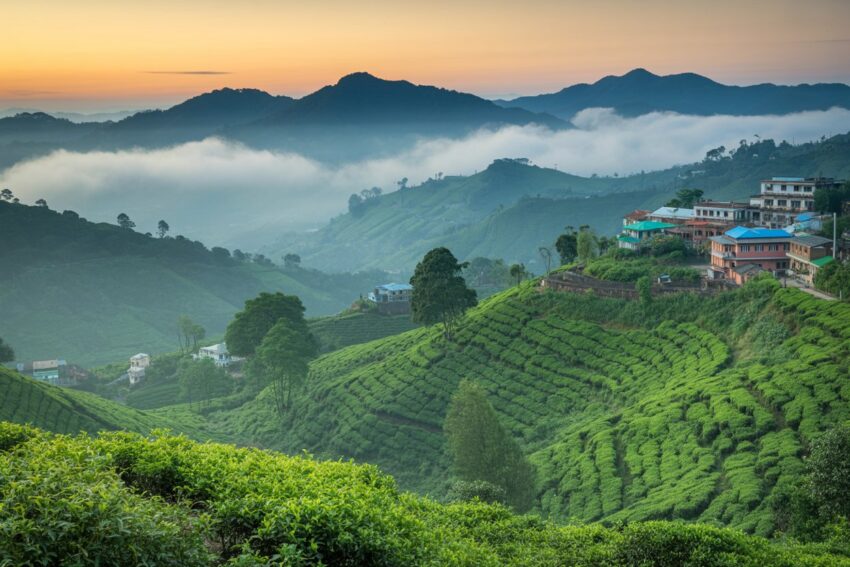 Image generated with Ai
India’s hill stations have always been the favourite summer retreat for travellers seeking cool breezes, verdant landscapes and a break from the heat. Official tourism sources from states like West Bengal and Kerala highlight a mix of classic high‑altitude towns and lesser‑known hill retreats that promise memorable holidays in 2026. Hill stations are defined by their elevated terrain and cooler climates, making them ideal escapes from India’s hot summer months. These destinations are gaining traction not just as tourism spots but also as cultural hubs and nature sanctuaries backed by state tourism promotion.
Darjeeling: Queen of the Eastern Himalayas
Darjeeling in West Bengal remains one of India’s most iconic hill stations and probably the most recognised on global tourism maps. Perched in the lower Himalayas, Darjeeling is famous for its panoramic views of the mighty Kanchenjunga, the world’s third‑highest peak. Official West Bengal tourism data identifies Darjeeling among the state’s top destinations because of its rich cultural history and scenic landscapes.
Travellers can wander through endless tea gardens that produce some of India’s most famous teas, take the historic Darjeeling Himalayan Railway – a UNESCO‑listed heritage narrow gauge train – or catch sunrise views from Tiger Hill, which offer sublime sunlit vistas of snow‑capped peaks. Darjeeling’s cool climate between April and June provides a refreshing contrast to the plains below. Visitor infrastructure includes hotels, guided tours and adventure experiences like trekking to Singalila National Park.
Kalimpong & Lesser‑Known West Bengal Hills
Just a short drive from Darjeeling, Kalimpong offers travellers a quieter hill station experience with lush hills, Buddhist monasteries and panoramic views. Official West Bengal tourism lists Kalimpong as a key tourism spot, known for its welcoming culture and scenic lookouts, making it a good alternative for those seeking tranquillity.
Advertisement
Advertisement
Other significant hill destinations in West Bengal include smaller yet charming towns such as Lava, Mirik and Pedong, which are growing in popularity. These spots offer pine‑fringed forests, cascading streams, and peaceful villages that appeal to eco‑tourists and backpackers. The region’s official tourism organs are increasingly promoting offbeat experiences like nature trails, bird watching and cultural tours to diversify what the hills have to offer.
Munnar: The Tea‑Covered Gem of Kerala
Moving to the south, the state of Kerala is home to some of the most serene hill stations in the Western Ghats. Official Kerala Tourism lists Munnar at the forefront of its hill station destinations due to its rolling tea estates, lush landscapes and cool environment.
Advertisement
Advertisement
Munnar’s elevated terrain makes it cooler than the surrounding lowlands, and its undulating hills covered with tea gardens are a photographer’s dream. Visitors can explore Eravikulam National Park, home to the endangered Nilgiri Tahr, or take scenic hikes and nature walks through the hills. Munnar has also gained international recognition as one of Asia’s top rural escapes, reinforcing its appeal as a global tourism destination.
The gentle climate and misty mornings make Munnar ideal for a summer visit, with opportunities for plantation tours, waterfall visits and cultural immersion in local life. Kerala’s tourism department actively promotes Munnar along with other hill stations as part of its broader travel campaigns.
Vagamon & Wayanad: Hidden Hill Treasures
Kerala’s Vagamon and Wayanad are two other rising hill destinations officially recognised by Kerala Tourism. Vagamon is known for its meadows, pine forests and tranquil atmosphere, attracting couples and peace‑seekers looking for a laid‑back holiday among grasslands and hills. Wayanad, dubbed the “green paradise,” offers dense forests, wildlife sanctuaries and tribal heritage sites that appeal to culture and nature travellers alike.
Wayanad’s unique mix of coffee estates, spice gardens and scenic plateaus positions it as a holistic hill station experience. Both places are connected by roads and are part of Kerala’s wider hill tourism promotion that includes sustainable travel experiences, trekking trails, and rich biodiversity exploration.
Climatic Appeal and Seasonal Travel Tips
Hill stations in India typically enjoy significantly cooler climates than the surrounding plains. Temperatures in places like Darjeeling and Munnar often remain in the comfortable range of 15°C to 25°C during the summer months, offering a cool refuge from the heat experienced in cities like Kolkata, Delhi and Chennai. Official weather and tourism advisories recommend planning summer hill travel from April to June for the best experience.
Official tourism boards also encourage off‑season travel. The monsoon months (July to September) turn the hills lush green and alive, but travellers should check road conditions and landslide warnings from local authorities before planning trips. Winter months provide opportunities for snow views in the northern hills, although Kerala’s hills remain cool and pleasant without snowfall.
Advertisement
Advertisement
Cultural and Eco‑Tourism Experiences
Beyond cool temperatures and scenic beauty, India’s hill stations are cultural hotspots. Darjeeling offers a blend of Nepali, Tibetan and Bengali cultures with local festivals, cuisine and handicrafts. Kalimpong’s monasteries and community markets reflect its Buddhist heritage, while Kerala’s hill regions are imbued with traditions of spice cultivation, tribal customs and music. Official tourism agencies often collaborate with local communities to offer guided cultural tours and eco‑friendly experiences.
Eco‑tourism initiatives are increasingly prominent in these hilly areas. Guided nature trails, wildlife safaris, bird watching, and sustainable stay options are gaining traction, offering travellers ways to explore responsibly. These programs are part of official efforts to balance tourism growth with environmental conservation, ensuring that future generations can also enjoy these cool hill retreats.
Connectivity and Accessibility
Transportation access is a key consideration for tourism. Darjeeling and the neighbouring hills are accessible via road from Siliguri and Bagdogra Airport, with state transport buses and private vehicles providing connections. Munnar and its neighbouring hills are well connected by road from Kochi and Coimbatore, with regular buses and private taxis servicing the routes. Official tourism websites provide travel guides and route information to support planning.
For international travellers, India’s e‑Visa system simplifies entry, enabling visitors to plan multi‑city hill station tours with ease. Domestic visitors can rely on well‑developed rail networks and taxis for door‑to‑door travel between hill towns and plains cities.
Safety and Sustainable Travel
Visitors should always follow local travel advisories, especially during monsoon or winter seasons when landslides or icy conditions may affect travel. Official state tourism departments regularly update advisories on weather, road conditions and safety guidelines. Travellers are encouraged to book stays through recognised hotels and government‑approved homestays to ensure safety and adherence to local regulations.
Sustainable travel practices, such as reduced plastic usage, respecting local wildlife and supporting community‑run tourism services, are increasingly promoted by tourism boards across India’s hill stations. These efforts aim to protect the delicate mountain ecosystems that make these destinations so attractive in the first place.
Advertisement
Advertisement
Conclusion: Hill Station Tourism in India 2026
As the 2026 summer season approaches, India’s hill stations are primed to welcome travellers from around the world. From the aromatic tea‑scented hills of Darjeeling to the misty Western Ghats of Munnar, the diversity of landscapes and cultures offers something for every type of traveller. Official tourism sources emphasise accessibility, diversity of attractions and sustainable travel practices, making these destinations must‑visit spots for those seeking cool climates and memorable experiences.
Whether you are a nature lover, a culture seeker, or simply someone needing a break from the urban heat, India’s hill station tourism circuit in 2026 promises an unforgettable journey into the cool heights of the subcontinent. Plan your itinerary with official guides, embrace the cool breeze and discover why these hill retreats continue to capture the hearts of travellers year after year.
Advertisement
