
Tourism Meltdown: Petra and Wadi Musa Now Hit Hard as Jordan Sees Dramatic Fall in International Travelers

Published
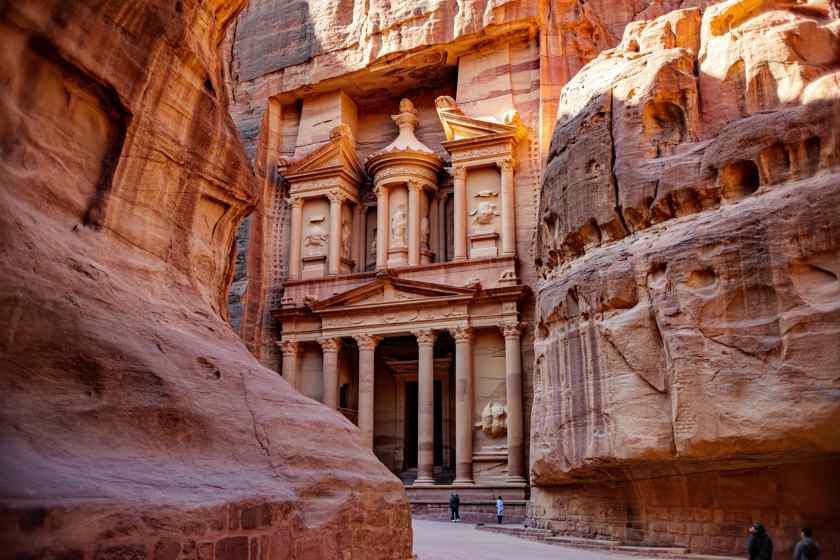
Image generated with Ai
Jordan’s tourism sector is grappling with an unprecedented crisis, as a sharp decline in visitor numbers threatens the livelihoods of those dependent on the industry. Data from the Petra Development and Tourism Region Authority reveals a staggering drop in tourism attendance, plummeting from around 1.17 million visitors in 2023 to just 457,000 in 2024. This represents a dramatic decrease of more than 60% in less than a year, with further declines observed in early 2025, when visits totaled only 260,000, down from nearly 693,000 during the same period two years earlier.
The crisis is felt most acutely in the areas surrounding Petra, where tourism has long been the economic lifeblood. The small town of Wadi Musa, which serves as the main entry point for visitors to the famous Petra Archaeological Site, saw 28 of its 50 official hotels close due to lack of business. These closures have wiped out more than half of the available hotel rooms in the region, with the few remaining establishments operating at a dismal occupancy rate of just one day in twenty, compared to six or seven days out of ten before the crisis hit.
Impact of Regional Unrest on Jordan’s Tourism Industry
While Jordan itself has remained calm amid the turmoil in neighboring countries, the ripple effects of regional unrest have significantly impacted its tourism sector. The flare-up of violence in Gaza during the autumn of 2024 contributed to a negative perception of the entire Middle East, even though Amman, the capital of Jordan, remained far from the fighting. Global media coverage of these conflicts painted a picture of instability, leading tourists to redirect their plans to more distant destinations, such as Spain and Greece, which saw increases in visitor numbers.
Advertisement
Advertisement
The situation worsened in February 2026 after a series of U.S. and Israeli airstrikes on Iran, which led Jordan to temporarily close its airspace. As a result, numerous international flights were canceled, and travel advisories were issued, discouraging trips to the region. This disruption not only compounded the existing loss of visitors but also increased global fears about safety in the Middle East, despite Jordan’s relative stability. The growing sense of danger, more than any actual conflict in the country itself, contributed heavily to the decline in tourism.
Advertisement
Advertisement
Government Response to the Crisis: New Visas and Incentives
In an effort to reverse the downturn and boost tourism, Jordan’s leadership has introduced several measures aimed at making the country more accessible and appealing to international visitors. In early 2026, the Jordanian government extended the duration of tourist visas from 30 days to 90 days, allowing travelers more time to explore the country. The visa application process has also been streamlined, with online applications made simpler and more user-friendly.
Tour operators are also receiving support, with some reporting that they are paying only a portion of their operating costs if their trips include time spent in Jordan. Additionally, the government has ramped up its marketing efforts, with increased online advertisements and a more visible presence at global travel events.
Advertisement
Advertisement
Shifting Focus to Sustainable and Immersive Travel
In addition to traditional historical and cultural tourism, Jordan is now targeting new types of visitors and travel experiences. The country’s tourism campaigns have begun highlighting experiences that go beyond the famous archaeological sites like Petra and the Dead Sea. Rugged trails, the local way of life, and the healing properties of the salt-rich waters of the Dead Sea are being marketed as new ways to experience Jordan’s diverse offerings.
Advertisement
Advertisement
These shifts in messaging aim to attract a broader range of travelers who are looking for slower, more immersive experiences. Whether it’s hiking through the Wadi Rum Desert, exploring local Bedouin culture, or enjoying the therapeutic benefits of the Dead Sea, Jordan is positioning itself as a destination for those seeking deeper connections with nature and culture, rather than just historical sightseeing.
What’s Next for Jordan’s Tourism Sector?
While the road to recovery for Jordan’s tourism industry remains challenging, the country’s leadership is making concerted efforts to diversify its tourism appeal and rebuild its international reputation. The government’s steps to encourage longer stays, simplify travel procedures, and expand marketing outreach are designed to restore confidence in Jordan as a stable, welcoming destination.
However, the overall success of these efforts depends largely on the resolution of the broader regional instability and the restoration of global perceptions of safety. As neighboring countries work toward peace, Jordan may begin to see a steady influx of travelers once again. In the meantime, the country’s tourism sector will have to lean on alternative offerings, encouraging visitors to explore beyond the famous historical sites and to embrace the country’s natural beauty, local cultures, and slower-paced travel experiences.
With its rich history, stunning landscapes, and unique cultural experiences, Jordan has the potential to emerge from this crisis stronger and more diverse in its tourism offerings. However, the road ahead remains uncertain, and it will take time for the sector to recover fully from the challenges it currently faces.
Advertisement
