
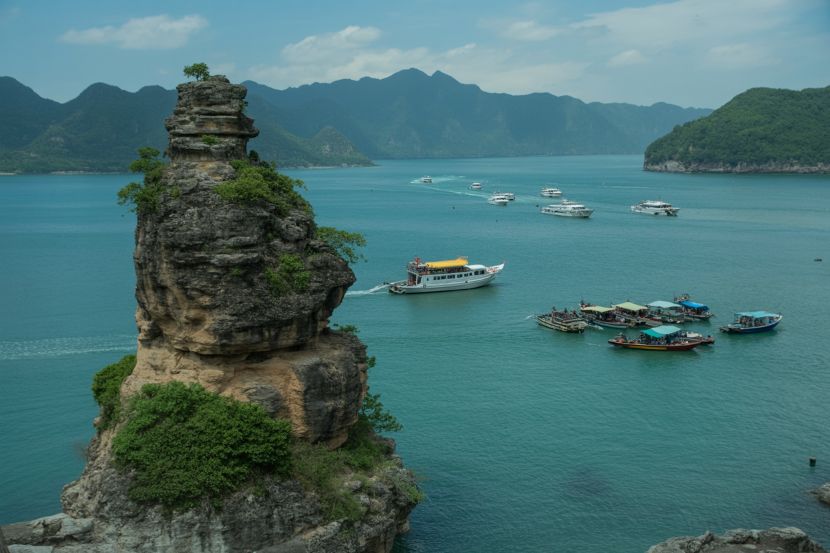
Image generated with Ai
Tourism in Asia and the Middle East is undergoing a remarkable transformation, moving beyond traditional sightseeing to become a powerful tool for sustainable development, cultural preservation, and social inclusion. These regions are embracing tourism not only for economic growth but as a force that promotes healing, cross-cultural understanding, and environmental responsibility. With new initiatives taking root across Asia and the Middle East, the tourism sector is proving that travel can be a driving force for change, helping local communities thrive and preserving cultural heritage. This shift is reshaping the very nature of travel, making it a meaningful experience for both tourists and the places they visit.
In post-conflict areas such as Sri Lanka, tourism has proven to be a vital instrument for healing and renewal. Efforts are being made to channel tourism revenue into regions still recovering from the impacts of the civil war and natural disasters like the 2004 tsunami. Sustainable livelihoods are being created through homestays, heritage crafts, and nature conservation projects, all of which help preserve cultural traditions while simultaneously providing economic opportunities. These projects not only foster local engagement but also promote reconciliation and peace, showcasing how tourism can rebuild communities and bridge divides that have existed for decades.
Advertisement
Another significant aspect of tourism’s impact in Asia and the Middle East is its role in driving economic growth. Public-private partnerships (PPPs) are being developed across these regions to build integrated tourism ecosystems. These collaborations involve governments, airlines, hospitality providers, and other key stakeholders working together to build infrastructure that benefits both tourists and locals. From convention centres to global events, these partnerships help create jobs, improve services, and enhance the overall visitor experience. They also provide a platform to showcase local cultures and offer unique, authentic experiences that attract international visitors.
In response to growing environmental concerns, destinations across the Middle East and Asia are embracing sustainability in tourism. Solar-powered resorts, energy-efficient lodges, and low-impact activities are becoming more common in countries like Qatar and the UAE. These efforts aim to reduce tourism’s carbon footprint while also protecting the natural environment and cultural heritage. By incorporating climate-adaptive travel into tourism planning, these regions are setting an example for how tourism can contribute to environmental preservation and ecotourism. This shift toward more sustainable practices is a win-win for both travelers and the local environment, as it ensures that future generations can enjoy these unique destinations while keeping the planet in mind.
Advertisement
Advertisement
In addition to its environmental and economic benefits, tourism in Asia and the Middle East plays a crucial role in promoting cross-cultural understanding. Travelers today are seeking more than just a vacation; they want authentic experiences that allow them to engage with local cultures. From cooking workshops to village visits and community festivals, tourists are immersing themselves in everyday traditions, which fosters social inclusion and a deeper understanding of local customs. These cultural exchanges create lasting memories for visitors and help promote cultural appreciation. Through tourism, cultural barriers are being broken down, and mutual respect is being cultivated between tourists and host communities.
For travelers eager to engage in more meaningful tourism experiences, it’s essential to seek out destinations that are committed to sustainability and community-based tourism. By choosing eco-friendly accommodations and participating in local cultural events, tourists can contribute to the social and economic well-being of the places they visit. Supporting local businesses, staying in sustainable lodgings, and engaging with communities in a respectful manner not only enhances the travel experience but also ensures that tourism remains a force for positive change. Traveling with a purpose allows tourists to leave a positive legacy and contribute to the preservation of unique cultures and ecosystems.
As tourism continues to evolve in Asia and the Middle East, it is clear that its role extends far beyond simply providing leisure and entertainment. It is now a force for positive transformation, social equity, and environmental sustainability. By supporting community initiatives, fostering cultural preservation, and encouraging sustainable practices, tourism is contributing to the development of more inclusive, resilient, and environmentally-conscious regions. This shift in tourism priorities is not only benefiting local communities but also empowering tourists to be part of a global movement that values people, culture, and the planet.
Advertisement
Advertisement
Advertisement













Saturday, September 5, 2026

Friday, September 4, 2026
Saturday, September 5, 2026

Saturday, September 5, 2026

Thursday, September 3, 2026

Wednesday, September 2, 2026

Saturday, September 5, 2026

Saturday, September 5, 2026


