

Travelers Left Reeling at Boston Logan International Airport, United States as 253 Flights Are Delayed and 8 Canceled Disrupting Delta Air Lines, American Airlines, JetBlue, United Airlines, and More Across Domestic and International Routes to New York, Chicago, Atlanta, London, and Toronto

Published
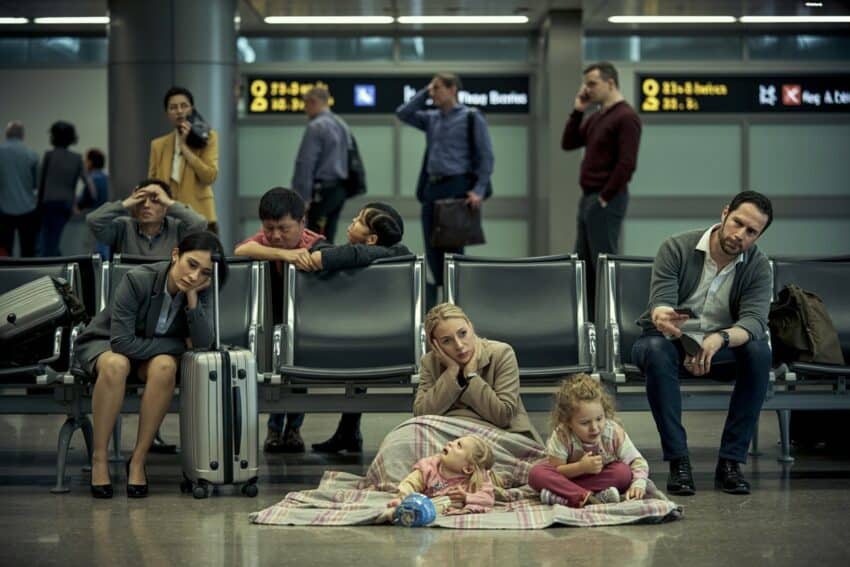
Boston Logan International Airport in Boston is once again under intense operational strain after the airport recorded 253 flight delays and 8 cancellations, creating frustration and uncertainty for thousands of travelers moving through one of New England’s busiest aviation hubs. Families attempting to begin vacations, business passengers rushing toward meetings, and international travelers trying to maintain tight connections all faced mounting anxiety as departure boards filled with changing schedules and extended waiting times throughout the day.
FAA Weather Restrictions Intensify Delays
The disruptions at Boston Logan International Airport reflect broader challenges currently affecting the United States aviation network. According to the Federal Aviation Administration, weather systems, low ceilings, and air traffic flow management programs contributed to delays affecting inbound and outbound traffic in Boston. FAA operational advisories noted that some departing aircraft heading toward Logan were experiencing delays averaging more than an hour because of weather-related traffic management restrictions.
Boston Logan Remains a Critical Aviation Gateway
Boston Logan Airport continues to serve as one of the most strategically important airports in the northeastern United States. The airport functions as a major gateway for domestic routes and international flights linking travelers to destinations across Europe, Canada, and major American cities. Because of its critical role in the aviation network, disruptions at Logan often trigger ripple effects that spread far beyond Massachusetts.
Airlines Struggle to Maintain Schedules
Airlines operating through the airport, including major domestic and international carriers, were forced to adjust schedules as operational pressure intensified. Travelers reported longer taxi times, delayed gate arrivals, and uncertainty regarding connecting flights. The growing congestion also affected passengers arriving from other major hubs including New York City, Chicago, Atlanta, and London.
Advertisement
Advertisement
FAA Monitoring National Airspace Conditions
The Federal Aviation Administration’s National Airspace System updates continued warning travelers that weather conditions and traffic management initiatives could significantly affect airport efficiency across the country. Federal officials emphasized that these programs are designed to maintain safety and regulate aircraft movement whenever airports face capacity limitations caused by weather or congestion.
Spring Travel Demand Adds More Stress
The situation placed additional pressure on airlines attempting to maintain schedules during the busy spring travel season. As passenger demand remains elevated, airports like Boston Logan International Airport are experiencing heavier traffic volumes that leave little room for recovery whenever operational disruptions emerge. Even temporary slowdowns caused by weather or runway congestion can rapidly evolve into wider network disruptions affecting hundreds of flights nationwide.
Advertisement
Advertisement
Travelers Face Crowded Terminals and Uncertainty
Passengers traveling through Logan described crowded terminals, packed seating areas, and growing concerns about missed connections. Travelers with international itineraries faced particular stress because delays in Boston had the potential to interfere with customs schedules, overseas transfers, and hotel bookings abroad. For many travelers, uncertainty surrounding revised departure times added emotional strain to already exhausting journeys.
Northeastern Airports Vulnerable to Ripple Effects
Industry analysts noted that northeastern airports are especially vulnerable to cascading disruptions because of the dense concentration of air traffic in the region. Airports in Boston, New York, Philadelphia, and Washington often operate within tightly coordinated airspace systems, meaning operational slowdowns in one city can quickly impact nearby airports and airlines throughout the corridor.
Advertisement
Advertisement
Recent Operational Struggles Continue at Logan
Boston Logan Airport has experienced several periods of operational stress in recent months. Earlier disruptions tied to storms and regional weather systems affected carriers throughout the East Coast. Severe weather conditions combined with increasing passenger volumes continue testing airport resilience across the national aviation system.
Massport Advises Travelers to Prepare Early
Massport, the agency overseeing Logan Airport operations, continued encouraging passengers to verify flight schedules directly with airlines before arriving at the airport. Airport authorities also advised travelers to arrive earlier than normal, particularly during periods of unstable weather conditions or heightened traffic demand.
Airlines Offer Flexible Travel Adjustments
Several airlines issued advisories warning customers that air traffic control restrictions and weather disruptions were affecting routes throughout the northeastern United States. Some carriers introduced flexible rebooking options and travel waivers to help impacted travelers adjust schedules and reduce inconvenience caused by the delays.
Tourism Industry Watches the Situation Closely
For Boston’s tourism economy, continued airport disruptions carry broader implications. The city attracts millions of visitors annually for educational tourism, sporting events, historical attractions, cruise departures, conventions, and corporate travel. Delays at Logan can disrupt hotel occupancy, transportation services, restaurant activity, and regional tourism revenue.
Advertisement
Advertisement
Major Events Increase Importance of Airport Stability
The disruptions are especially significant as Massachusetts prepares for future major tourism and sporting events expected to increase visitor traffic across the region. Maintaining efficient airport operations remains essential not only for airlines but also for the hospitality and tourism industries connected to Boston’s global accessibility.
Aviation Experts Warn About Interconnected Delays
Aviation experts emphasized that modern air travel systems remain highly interconnected, meaning operational disturbances rarely remain isolated to a single airport. When a major hub such as Boston Logan International Airport experiences delays, aircraft rotations, crew scheduling, and equipment availability across the country may also become disrupted. This interconnected structure explains why travelers in distant cities can experience delays connected to conditions occurring hundreds of miles away.
Travelers Urged to Remain Flexible
Travelers were encouraged to remain flexible, monitor airline notifications closely, and prepare for potential changes throughout their journeys. Airport officials and federal aviation authorities continued working to stabilize operations while prioritizing passenger safety and maintaining orderly aircraft movement despite mounting congestion.
Boston Travelers Endure a Difficult Day
For many passengers stranded inside terminals or repeatedly checking airline applications throughout the day, the disruption became another reminder of how vulnerable modern air travel can become when weather systems, congestion, and operational pressure collide. Even amid frustration and uncertainty, airport workers, airline crews, and air traffic professionals continued assisting thousands of travelers while working tirelessly to keep flights moving safely across the skies.
Advertisement
