

Turkey Tourism Faces Challenges but Holds Strong Potential for Recovery and Growth in this Year

Published
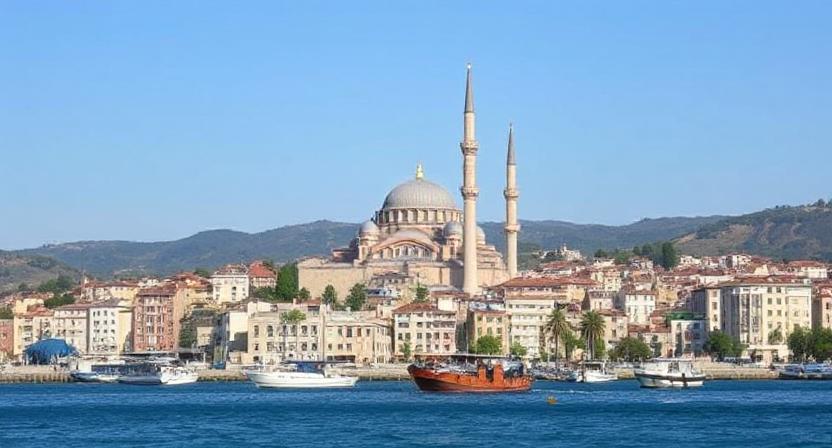 Image generated with Ai
Turkey’s tourism industry has a tough year in 2025 to contend with the impacts of ongoing wildfires that have ravaged primary tourism destinations along the Aegean and Mediterranean coastlines. In addition to ravaging the landscapes, the wildfires are also impacting visitor arrivals, particularly in the heavily tourism-dependent areas like Marmaris and Antalya. In addition to the environmental issues, Turkey is also struggling with elevated inflation (33.5% currently), which has diminished the nation’s image as a cheap destination for travel. In spite of these challenges, the tourism industry is still a mainstay of the economy, generating a considerable share of GDP and jobs.
Shift Towards All-Inclusive Resorts Amid Economic Pressures
One of the most notable shifts in Turkey’s tourism market is the growing preference for all-inclusive resorts among tourists. As inflation increases the cost of travel in Turkey, travelers are opting for all-inclusive packages that offer a fixed price for accommodation, meals, and activities. These packages provide certainty in costs and value, making them more attractive to visitors who are looking to manage their holiday expenses amid a rising cost of living.
All-inclusive resorts are becoming the backbone of Turkey’s sun, sea, and sand tourism, particularly in areas like Antalya and Marmaris, where resorts offer a luxurious yet affordable holiday experience. However, this trend has impacted local businesses, including restaurants, independent guides, and smaller hotels, which are struggling to compete with the large tour operators offering package deals.
Declining Visitor Numbers from South Korea and Other Markets
The decline in South Korean visitors has been one of the more significant challenges faced by Turkey’s tourism industry. South Korea has traditionally been one of the largest markets for Turkish tourism, but in 2025, arrivals from South Korea have decreased, largely due to safety concerns and economic challenges in the region. The lack of direct flights and increased competition from nearby Southeast Asian countries are further exacerbating the decline.
Advertisement
Advertisement
The Philippines, Singapore, and Malaysia have also seen an uptick in tourist arrivals due to competitive pricing and government-led promotions. To counter these trends, Turkey needs to refocus its efforts on attracting new tourists from emerging markets, especially India and China, whose economies are growing rapidly and who are increasingly seeking travel opportunities abroad.
Marmaris and Antalya: Key Destinations Facing Pressure and Opportunities for Recovery
Marmaris, one of Turkey’s top tourism hotspots, has seen declining hotel occupancy rates in 2025, with some months experiencing an occupancy dip between 60% and 80%. The town is heavily reliant on summer tourism, and as the season winds down, hotels must depend on last-minute bookings to fill rooms. The ongoing wildfires and economic instability have impacted both domestic and international arrivals in the area.
Advertisement
Advertisement
In Antalya, Turkey’s largest hub for all-inclusive resorts, tourism numbers have dropped by 30% in the first quarter of 2025. Visitor numbers from international markets like Russia and Germany have decreased, while domestic travelers are opting for shorter stays or lower-budget options due to the rising cost of living in Turkey. However, with increased investments in tourism infrastructure, digital marketing, and sustainable tourism initiatives, there is still potential for these destinations to recover and thrive.
Opportunities for Tourism Diversification: Shifting Focus to Eco-Tourism and Cultural Heritage
One of the solutions to Turkey’s tourism challenges lies in diversification. The country’s rich cultural heritage and natural landscapes present untapped opportunities to draw eco-tourists and cultural tourists. By investing in eco-tourism and cultural tourism, Turkey can shift its focus from over-reliance on the sun, sea, and sand model and attract a more diverse tourist base.
Turkey’s unique historical sites, such as Ephesus, Cappadocia, and the ancient city of Troy, combined with its breathtaking natural beauty like Pamukkale’s hot springs and the Mediterranean coastline, position the country as an ideal eco-tourism destination. There is also potential to develop niche tourism products like adventure tourism, wellness tourism, and sustainable luxury travel that appeal to responsible travelers.
The Future of Tourism in Turkey: Innovation, Sustainability, and Resilience
Looking toward the future, Turkey’s tourism sector will need to balance growth with sustainability. The country can attract more tourists by capitalizing on emerging tourism trends, such as wellness tourism, eco-friendly accommodations, and experiential travel. By promoting sustainable tourism practices, including green certifications for hotels and eco-friendly travel options, Turkey can appeal to global travelers who prioritize responsible tourism.
The Government of Turkey is already investing in tourism infrastructure and digital innovation to improve the tourism experience for both international tourists and domestic travelers. Initiatives such as smart tourism technologies, improving connectivity to secondary destinations, and enhancing cultural and heritage sites will continue to drive long-term tourism growth in the country.
Navigating the Future of Turkey’s Tourism Industry
Although there were setbacks in 2025 with wildfires, economic pressures, and low visitors from some markets, there remains enormous long-term promise for Turkey’s tourism industry. With a focus on sustainable tourism practices, cultural heritage preservation, and market diversification, Turkey can rebound and grow its tourism sector. The future of Turkish tourism remains optimistic as the nation continues to adapt and transform itself with changing worldwide travel patterns and tourist demands.
Advertisement
