
Greece Leads With Netherlands, Spain, France, Norway and More as Europe’s Cruise Tourism Overhaul Enters a New Era With Historic Tax Reforms, Mega Vessel Limits, Environmental Protection Measures and Stronger Action Against Overtourism

Published
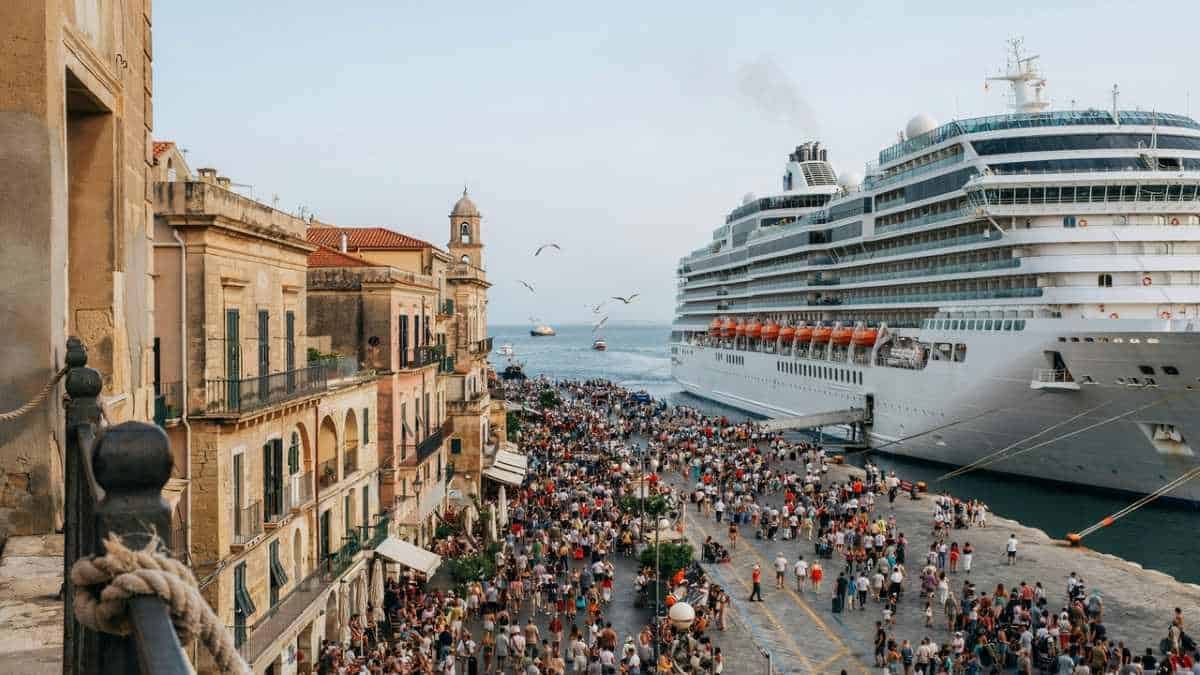
Europe’s cruise tourism landscape is entering a major transformation as Greece, supported by Netherlands, Spain, France, Norway and other leading destinations, drives a new era of historic tax reforms, mega vessel limits, environmental protection measures and stronger action against overtourism to protect iconic travel locations. The shift is happening because governments across Europe are responding to rising pressure from large cruise ships that bring thousands of passengers into fragile coastal areas while creating environmental and infrastructure challenges. From Greece introducing passenger fees in Santorini and Mykonos to the Netherlands restricting cruise arrivals in Amsterdam, Spain managing Barcelona’s cruise crowds, France limiting large vessels, Norway protecting its fjords and Italy controlling ship access around Venice, destinations are redesigning cruise tourism rules. These measures include new passenger levies, stricter port regulations, cleaner maritime requirements, shore-power investments and controlled visitor flows. The European cruise tourism overhaul marks a significant move towards sustainable travel, ensuring that tourism growth supports local communities while reducing pollution, protecting cultural heritage and preserving some of the world’s most famous destinations for future generations.
Europe’s Cruise Tourism Debate Explodes Over Massive Tax Difference Between Ships and Hotels
The European cruise tourism debate has intensified after new research highlighted a major financial imbalance between cruise ships and traditional accommodation providers.
Advertisement
Advertisement
The study by Transport & Environment (T&E), a transport and environmental advocacy organisation, examined the taxes paid on a €100-per-night tourism stay across France, Italy and Spain.
The findings revealed a significant difference between land-based hotels and cruise ships.
Advertisement
Advertisement
| Tourism Type | Average Tax Paid on €100 Stay |
|---|---|
| Traditional hotels | Around 23% |
| Cruise ships | Around 12% |
The research showed that cruise accommodation is taxed approximately 40% less than an equivalent hotel stay. The gap becomes even larger in the luxury tourism sector. While high-end hotels may face taxation levels reaching around 20%, luxury cruise stays can sometimes have effective tax rates below 3%.
This difference has become a major policy concern because modern cruise ships are no longer simply transportation services. Large vessels now include restaurants, entertainment areas, shopping facilities, swimming pools, theatres, casinos and luxury accommodation similar to major resorts.
Advertisement
Advertisement
Environmental organisations argue that the current legal classification does not reflect the reality of modern cruising. Under existing European maritime regulations, cruise ships are generally treated as transport vessels rather than tourism accommodation businesses. Because of this classification, cruise operators benefit from different taxation structures linked to corporate taxes, VAT arrangements and maritime fuel regulations.
European destinations are now questioning whether these advantages remain appropriate when cruise ships create significant environmental and infrastructure costs for popular tourism locations.
Advertisement
Advertisement
Cruise Ships Create Higher Environmental Pressure While Local Communities Carry the Cost
The push for stronger cruise regulations is not only linked to taxation. Environmental concerns have become one of the biggest reasons behind Europe’s changing approach. Modern cruise ships can carry thousands of passengers and operate like floating cities. However, these ships also generate significant emissions and resource pressure in coastal destinations.
Research from the International Council on Clean Transportation (ICCT) indicates that cruise passengers can generate two to four times more carbon emissions compared with travellers who fly or drive and stay in traditional hotels.
Across France, Italy and Spain, the climate and air pollution costs linked to cruise ships have been estimated between €790 million and €1.3 billion annually. The environmental concern increases when large vessels remain docked near historic city centres. Many ships continue operating onboard systems while passengers explore destinations, resulting in emissions from engines and power generation.
Cruise vessels can release pollutants including:
Advertisement
Advertisement
- Sulfur oxides
- Nitrogen oxides
- Fine particulate matter
- Carbon emissions
These emissions directly affect coastal communities located near busy ports.
Another major issue is overtourism. Thousands of passengers can arrive within a few hours, creating sudden pressure on transport systems, attractions, streets and public facilities. Unlike overnight visitors, cruise passengers often spend limited time ashore because accommodation and meals are already included onboard. This has increased debate about whether cruise tourism generates sufficient economic value compared with the pressure it creates.
Greece Leads Europe’s New Cruise Tourism Model With Higher Passenger Fees and Island Protection Rules
Greece has emerged as one of Europe’s strongest examples of a new cruise tourism management strategy. The country has introduced a tiered cruise passenger sustainability fee aimed at protecting destinations facing extreme visitor pressure, particularly Santorini and Mykonos. During the busiest summer months, cruise passengers arriving at these islands must pay a higher fee when they step ashore.
Greece Cruise Passenger Fee Structure
| Destination | Peak Season Fee | Shoulder Season Fee | Winter Fee |
|---|---|---|---|
| Santorini and Mykonos | €20 per passenger | €12 per passenger | €4 per passenger |
| Other Greek cruise ports | €5 standard fee | Applicable seasonal rules | Applicable seasonal rules |
The charge applies every time a passenger arrives at the targeted ports. This means cruise travellers visiting multiple islands may pay separate fees during the same journey. For example, a family of four visiting both Santorini and Mykonos during peak season could face an additional €160 in passenger fees.
The revenue generated through the system is designed to support:
- Port infrastructure improvements
- Environmental protection projects
- Crowd management systems
- Destination sustainability programmes
Santorini has become a key focus because the island regularly experiences intense visitor concentration from cruise arrivals. Authorities have strengthened arrival management by improving scheduling systems and calculating ship capacity based on maximum passenger numbers instead of lower estimated occupancy levels. The island has also tightened cruise passenger controls around major attractions, including transport links connected to Fira, where large visitor waves can create severe congestion.
Advertisement
Advertisement
Greece’s approach reflects a wider European shift from unlimited tourism expansion toward controlled visitor management.
Netherlands Targets Cruise Crowds With Amsterdam Restrictions and Future Port Relocation Plans
The Netherlands has introduced some of Europe’s strictest measures to control cruise tourism pressure in Amsterdam. The city has focused on managing short-term visitors who arrive by cruise ship but do not contribute to overnight tourism spending.
Amsterdam applies a day-tourist tax targeting cruise passengers who visit the city without staying overnight. The policy aims to ensure that temporary visitors contribute toward the costs of maintaining public infrastructure, transport systems and tourism services.
Amsterdam Cruise Tourism Measures
| Measure | Details |
|---|---|
| Day tourist tax | €15 for transit cruise passengers |
| Annual ocean cruise calls | Reduced from around 190 to a maximum of 100 |
| Daily ship limit | One mega-cruise ship allowed per day |
| Long-term plan | Cruise terminal relocation away from city centre by 2035 |
Amsterdam is also reducing the number of large cruise ships allowed to enter the city. The long-term strategy includes moving cruise activity away from the historic centre to reduce congestion and protect urban spaces.
The city’s approach reflects wider European concerns that large numbers of short-stay visitors can overwhelm popular destinations without generating the same economic benefits as longer stays.
Spain Expands Cruise Tourism Controls Across Barcelona and Mediterranean Islands
Spain has become another major centre of Europe’s cruise tourism transformation. Barcelona, one of the Mediterranean’s busiest cruise destinations, is introducing stronger measures to manage passenger flows and reduce pressure on the city centre.
Advertisement
Advertisement
The city has increased cruise-related charges and is restructuring port operations to create a more controlled tourism environment.
Barcelona Cruise Management Changes
| Area | New Direction |
|---|---|
| Passenger charges | Increasing sustainability-related fees |
| Cruise terminals | Moving activity away from older city-centre terminals |
| Passenger capacity | Reducing daily pressure from around 37,000 to 31,000 visitors |
| Environmental focus | Expanding shore-power infrastructure |
Barcelona has closed older terminals closer to the city centre and is developing a more regulated cruise system. The city is also increasing shore-power facilities, allowing vessels to connect to electricity while docked instead of relying on onboard engines.
Spain’s wider tourism regions are following similar strategies. The Balearic Islands, including Mallorca and Ibiza, have introduced sustainability measures to manage increasing visitor pressure during peak travel periods.
The focus is not on stopping cruise tourism but ensuring that tourism growth remains compatible with environmental protection and local quality of life.
France Introduces Passenger Limits to Protect Coastal Destinations
France is focusing on controlling cruise volumes in sensitive coastal areas where infrastructure cannot support unlimited ship growth. The French Riviera has become a key example of this approach. Cannes has introduced strict cruise restrictions because of its limited port capacity.
Cannes Cruise Restrictions
| Regulation | Details |
|---|---|
| Passenger limit per ship | Fewer than 1,000 passengers |
| Daily visitor ceiling | Maximum 6,000 cruise visitors |
| Impact | Large cruise ships redirected to alternative ports |
Because Cannes operates as a tender port, passengers must transfer from anchored ships using smaller boats. The restrictions reduce pressure on local transport systems and prevent sudden overcrowding.
Advertisement
Advertisement
Large cruise operators are increasingly considering alternative ports such as Nice and Villefranche-sur-Mer when vessels exceed local limits. France’s approach demonstrates how destinations are moving toward smaller-scale, higher-quality cruise tourism.
Norway Protects Fjords With Cleaner Cruise Rules and Local Tourism Powers
Norway has placed environmental protection at the centre of cruise tourism management. The country’s fjords and Arctic destinations attract millions of visitors because of their natural beauty, but increased cruise traffic has raised concerns about emissions and ecosystem damage. Norway allows local municipalities facing tourism pressure to introduce additional visitor-related charges.
Norway Cruise Sustainability Measures
| Measure | Details |
|---|---|
| Municipal tourism tax framework | Up to 3% overnight stay tax |
| Cruise fee possibility | Around NOK 100 proposed in affected areas |
| Focus areas | Fjords, Arctic destinations and high-pressure communities |
| Environmental goal | Cleaner ships and reduced emissions |
Norway is also expanding zero-emission requirements in protected fjord areas. Cruise operators are increasingly required to use cleaner fuels, alternative technologies or shore-power systems. The strategy aims to protect destinations such as Tromsø, Lofoten and other environmentally sensitive regions while maintaining tourism benefits.
Italy Continues Venice Cruise Ban to Protect Historic Heritage
Italy remains one of Europe’s most recognised destinations for cruise restrictions. Venice has maintained strict limits on large cruise ships entering sensitive historic waterways.
Venice Cruise Restrictions
| Regulation | Details |
|---|---|
| Historic waterway restriction | Ships above 25,000 gross tonnes banned |
| Large vessels | Redirected to Porto Marghera or alternative ports |
| Smaller ships | Limited access under strict environmental rules |
The restrictions protect Venice’s fragile architecture, waterways and historic environment. Large ships are redirected to industrial mainland facilities or alternative regional ports such as Ravenna.
Only smaller boutique vessels with fewer than 200 passengers may approach central areas under strict conditions. Venice’s policy has become a model for other destinations considering stronger cruise controls.
Advertisement
Advertisement
Greece leads with Netherlands, Spain, France, Norway and more as Europe’s cruise tourism overhaul enters a new era with historic tax reforms, mega vessel limits and environmental measures to fight overtourism.
Europe Moves Toward a New Future of Sustainable Cruise Tourism
The cruise tourism landscape across Europe is undergoing one of its biggest transformations. Greece, Netherlands, Spain, France, Norway and Italy are leading a movement focused on balancing tourism growth with environmental responsibility and community protection.
The new approach combines:
- Passenger taxes
- Cruise arrival limits
- Mega-ship restrictions
- Shore-power investments
- Environmental regulations
- Destination management systems
The debate is no longer only about attracting more visitors. It is increasingly focused on how tourism revenue is generated and whether destinations can protect their natural and cultural assets.
Cruise tourism remains an important part of the global travel economy, supporting ports, businesses and international connectivity. However, European destinations are demanding a system where visitors contribute fairly to the environmental and infrastructure costs created by large-scale tourism.
As more destinations introduce similar measures, Europe is moving toward a future where cruise travel is expected to become cleaner, more controlled and more sustainable while preserving the iconic destinations that continue to attract millions of travellers worldwide.
Advertisement
