
US Airlines Raise the Bar for Business Class as American Expands Flagship Dining from September 15

Published
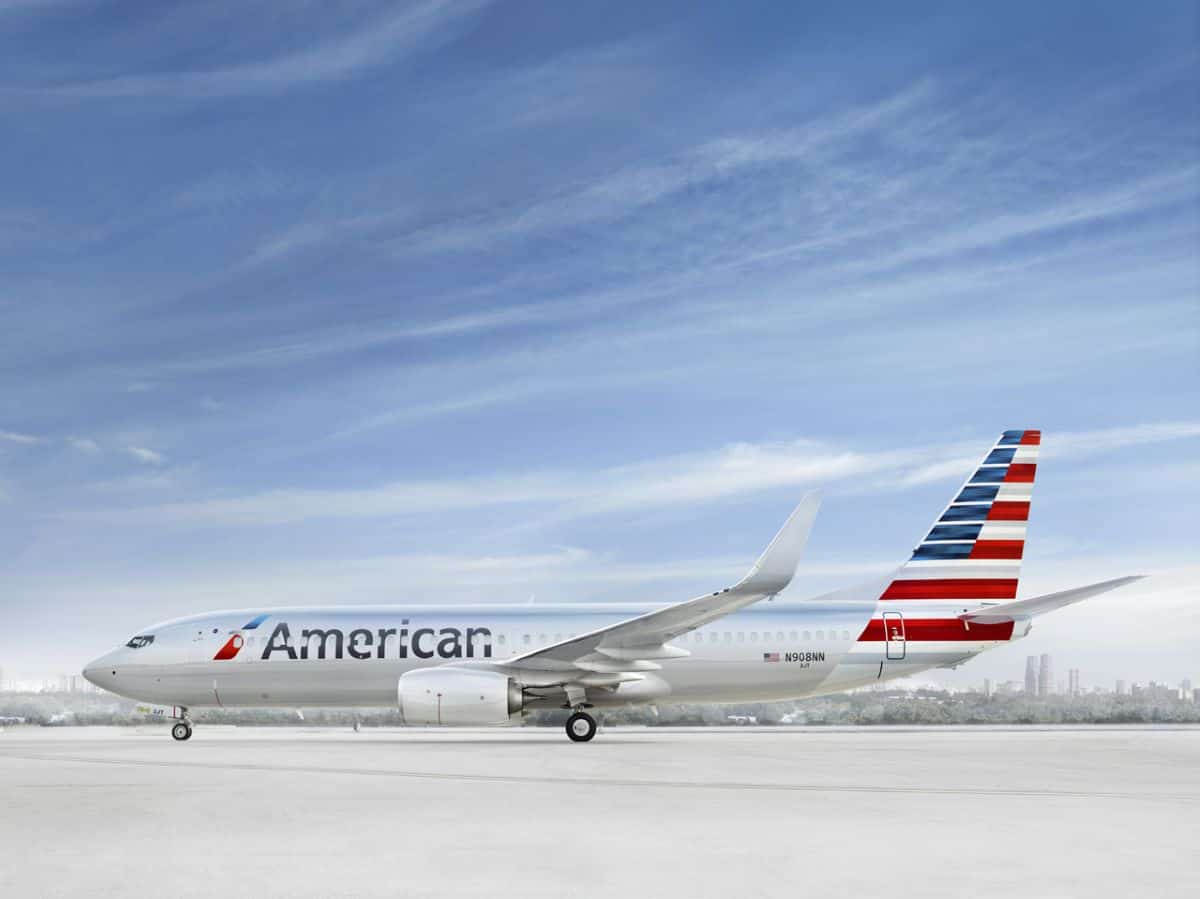
American Airlines begins its September 15 rollout of Flagship Dining to offer gateway premium dining services to eligible passengers at select locations. Except for food services before select international and transcontinental flights, eligible passengers are those with qualifying tickets for Flagship Business and Flagship Business Plus. While replicating the culinary offerings of business class within airport terminals is one way US airlines are liking to think about premium class competition, United offers restaurant-style dining in parts of its Polaris Lounges. Delta has full-service dining in its Delta One Lounges, while JetBlue is developing its BlueHouse proposition. These services combine to create competition for premium dining, lounge access, and ground services when passengers consider the business class offerings of different airlines.
American Airlines is making one of its most important premium-ground changes of 2026, as Flagship Dining opens to eligible business-class travellers from 15 September, replacing a model that largely centred the private restaurant experience on Flagship First passengers. The development matters because United, Delta and JetBlue are simultaneously strengthening premium lounges across major US aviation gateways, turning airport dining from a secondary perk into a competitive part of the business-class journey.
Advertisement
Advertisement
How are American, United, Delta and JetBlue changing premium airport dining?
The four airlines are not introducing identical products, so describing them as doing precisely the same thing would be misleading; instead, they represent different versions of a broader US premium-lounge strategy in which airlines increasingly connect expensive tickets and top-tier travel experiences with better food, personalised service and dedicated airport spaces. American is widening eligibility for an existing private dining concept, United already provides à la carte dining within Polaris facilities including its enlarged Newark operation, Delta has built dedicated Delta One Lounges around premium-cabin passengers, and JetBlue is expanding complimentary BlueHouse access to eligible Mint customers from 27 August 2026.
| Airline | Major development | Key date | Major locations in this story | Dining proposition |
|---|---|---|---|---|
| American Airlines | Flagship Dining expands to eligible Flagship Business passengers | 15 September 2026 | DFW, MIA; LAX later in 2026 | Private sit-down, four-course dining |
| JetBlue | Complimentary BlueHouse access expands to eligible Mint and Mint Flex passengers | 27 August 2026 | BOS, JFK | Premium lounge with dining |
| United Airlines | Newark Polaris dining room added during lounge expansion | Q2 2025 | EWR | Dedicated à la carte dining room |
| Delta Air Lines | Delta One Lounge network built around premium passengers | JFK June 2024 onward | JFK, LAX, BOS, SEA | Full-service and fine dining, varying by location |
Important factual correction: United’s Newark Polaris dining room opened in Q2 2025, not Q2 2026. United reported the opening in its second-quarter 2025 results, saying the expansion took the Polaris Lounge beyond 30,000 square feet and created the only major-airline dining room at Newark offering à la carte meals.
Advertisement
Advertisement
The statistics show how substantial this competition has become: Delta’s flagship JFK Delta One Lounge exceeds 39,000 square feet and contains a 140-seat Brasserie, JetBlue’s new Boston BlueHouse covers 12,000 square feet, United’s expanded Newark Polaris facility exceeds 30,000 square feet, while American is converting an exceptionally exclusive Flagship First Dining proposition into a benefit available to a much larger eligible business-class audience.
What changes for American Airlines passengers in Dallas and Miami?
American Airlines will make its central policy change on 15 September 2026, when customers travelling in Flagship Business Plus and Flagship Business on qualifying long-haul international, transcontinental and Hawaii Flagship routes become eligible for Flagship Dining at Dallas Fort Worth International Airport and Miami International Airport. The facilities offer a private sit-down experience inside American’s Flagship Lounges, and this benefit had previously been available only to passengers travelling in Flagship First, making September’s eligibility expansion considerably more consequential than a routine menu refresh.
Advertisement
Advertisement
Access nevertheless remains subject to capacity, with eligible customers required to speak with the Flagship Lounge host team before being seated immediately when space exists or joining an electronic waitlist when tables are occupied. American says waiting times can vary with lounge demand and flight schedules, an important practical consideration because the broader eligibility rules could place significantly more passengers in contention for a limited number of dining tables during major international departure periods.
What will American serve under its new Flagship Dining experience?
American is coupling expanded eligibility with a refreshed four-course menu, making the September change about both access and product quality rather than simply admitting more passengers to the existing restaurant. Its culinary team has developed seasonal dishes using regional influences and ingredients, with announced examples including Texas pear and burrata salad, roasted purple cauliflower steak, the Flagship burger, mesquite-grilled beef filet, California artisan board and churro bread pudding.
Advertisement
Advertisement
The airline is also introducing a KHK Hillside Cabernet Sauvignon pairing with K+M Extravirgin Chocolate and hazelnut dragées curated by chef Thomas Keller, while KHK Cabernet Sauvignon will become available throughout American’s Flagship Lounges and at The Chelsea Lounge at JFK. American has separately been expanding à la carte and scan-to-order choices across Flagship Lounges, illustrating a broader strategy to make restaurant-inspired food a more visible component of the pre-flight experience.
Why will Los Angeles become increasingly important?
Los Angeles will add another dimension when American’s private Flagship Dining experience at LAX reopens in late 2026, creating a third airport in the announced Flagship Dining footprint alongside Dallas-Fort Worth and Miami. The timing is strategically notable because Los Angeles has become one of the clearest battlegrounds for premium ground services in the United States, with airlines investing in lounges that extend the high-end journey well beyond the aircraft itself.
Delta Air Lines already operates its original Delta One Lounge at LAX, opened in October 2024, with more than 10,000 square feet, seating for nearly 200 guests, service-led dining at every seat and a year-round sushi bar. Delta escalated its Los Angeles investment again on 30 June 2026, opening Phase 1 of a second Delta One Lounge in Terminal 2, a 4,000-square-foot, 75-seat space offering elevated dining and other premium amenities.
How has Delta turned New York into a premium-dining showcase?
Delta’s first Delta One Lounge opened at New York-JFK in June 2024, creating one of the most ambitious airline-operated premium spaces in the United States and establishing the template for the carrier’s subsequent expansion. The Terminal 4 facility measures more than 39,000 square feet, contains 515 seats and features a 140-seat Brasserie restaurant offering three-course meal service, alongside a chef-assisted market, wellness areas, eight shower suites, nine relaxation pods and a year-round terrace.
Advertisement
Advertisement
The New York facility demonstrates why American’s Flagship Dining expansion matters competitively, because premium passengers are increasingly being sold an end-to-end proposition rather than merely a superior seat after boarding. Delta’s restaurant was developed with Restaurant Associates and Union Square Events, while its combination of full-service dining, wellness, private spaces and premium check-in shows how airlines are attempting to make time spent at major hubs part of the value proposition attached to high-yield tickets.
What has Delta added in Boston, Seattle and Los Angeles?
Delta expanded rapidly after JFK, opening its LAX Delta One Lounge in October 2024 before introducing its third location at Boston Logan in December 2024, where the 6,700-square-foot dining-focused facility became accessible through the Delta Sky Club in Concourse E. Boston’s lounge was deliberately designed around food, with a culinary programme developed by chef Ed Brown and views towards Boston Harbor, reinforcing Delta’s strategy of giving individual premium lounges characteristics connected with their host cities.
Seattle followed in June 2025, when Delta opened a Delta One Lounge and another Delta Sky Club in a connected two-storey complex covering more than 24,000 square feet, with the Delta One section delivering locally influenced fine dining. Its three-course Seattle menu has featured Pacific Northwest ingredients and seafood, including Dungeness crab, while the broader complex offers mountain views and places premium hospitality directly beside the airline’s expanding international operation.
Why is United Airlines the closest established comparison?
United Airlines remains perhaps the clearest established comparison with American because its Polaris Lounges have long linked long-haul international business-class travel with premium airport dining. At Newark Liberty International Airport, United reported in 2025 that it had opened a new Polaris Lounge dining room as part of an expansion taking the facility beyond 30,000 square feet, describing it as the only major-airline dining room at Newark offering à la carte meals.
American’s move therefore does not invent the concept of business-class passengers eating restaurant-style meals before departure; rather, it removes a key restriction from its own most exclusive dining proposition and brings the carrier closer to the competitive ground experience already associated with Polaris. That distinction is crucial for travellers and for industry analysis, because American is fundamentally democratising an existing first-class-only benefit within its premium-cabin hierarchy, rather than launching business-class lounge dining in the United States for the first time.
Why is JetBlue’s Boston launch particularly important in 2026?
JetBlue provides the freshest parallel development because its second BlueHouse officially opens at Boston Logan Terminal C at 5 a.m. ET on 27 August 2026, while complimentary BlueHouse access simultaneously expands to all customers departing on confirmed Mint or Mint Flex fares. The policy applies to eligible domestic and international Mint travellers in Boston and New York, materially broadening the audience that can combine JetBlue’s premium onboard product with a dedicated airport-lounge experience.
Advertisement
Advertisement
The Boston BlueHouse measures 12,000 square feet and includes dining spaces alongside a central bar and locally influenced food, strengthening JetBlue’s premium presence in one of its largest markets. However, the comparison needs careful wording: JetBlue is expanding lounge access that includes dining, whereas American is specifically expanding eligibility for a separate, private sit-down Flagship Dining experience, so the two developments belong to the same premium-airport trend without being identical products.
What do the figures reveal about America’s premium lounge race?
| City | Airline | Premium facility | Key statistic | Opening/change |
|---|---|---|---|---|
| Dallas-Fort Worth | American | Flagship Dining | Four-course refreshed menu | Business access 15 Sept 2026 |
| Miami | American | Flagship Dining | Four-course refreshed menu | Business access 15 Sept 2026 |
| Los Angeles | American | Flagship Dining | Private dining | Reopens late 2026 |
| Boston | JetBlue | BlueHouse | 12,000 sq ft | 27 Aug 2026 |
| Newark | United | Polaris Lounge | 30,000+ sq ft after expansion | Dining room opened Q2 2025 |
| New York-JFK | Delta | Delta One Lounge | 39,707 sq ft; 515 seats; 140-seat restaurant | June 2024 |
| Los Angeles | Delta | Original Delta One Lounge | 10,000+ sq ft; nearly 200 seats | October 2024 |
| Boston | Delta | Delta One Lounge | 6,700 sq ft | December 2024 |
| Seattle | Delta | Delta One + Sky Club complex | 24,000+ sq ft combined | June 2025 |
| Los Angeles | Delta | Second Delta One Lounge Phase 1 | 4,000 sq ft; 75 seats | June 2026 |
The numbers reveal an investment cycle centred on America’s most important international gateways, particularly New York, Los Angeles, Boston, Newark, Dallas and Miami, where premium travellers are especially valuable to network carriers. Delta’s 39,707-square-foot JFK Delta One Lounge is the largest single facility represented in this comparison, while United’s Newark Polaris Lounge exceeds 30,000 square feet after expansion and JetBlue’s new Boston BlueHouse adds another 12,000 square feet of premium space to an increasingly competitive airport.
These measurements cannot directly determine which airline offers the best experience, because lounge size, seating, access rules and dining formats differ considerably, but they demonstrate the capital and strategic attention now flowing towards premium ground products. American’s decision is particularly interesting because its competitive response centres less on constructing an entirely new dining concept and more on opening an existing high-end asset to a wider business-class customer base, potentially increasing the perceived value of Flagship Business without requiring passengers to buy first class.
What does this premium dining battle mean for business-class travellers?
For travellers, the competitive shift means the premium journey increasingly begins before boarding, with high-end food, dedicated service, quieter environments and destination-inspired menus becoming part of what airlines use to differentiate expensive tickets. A passenger departing on a qualifying American Flagship Business itinerary after 15 September 2026 may be able to eat a four-course meal before boarding, while comparable premium customers at Delta and United hubs can already encounter substantial restaurant-style dining propositions.
There is also an operational benefit for long-haul travellers: passengers who eat properly on the ground may choose to rest sooner after departure, particularly on overnight services where sleep time has significant value. Yet access restrictions remain important, and travellers should check their precise ticket, route, lounge eligibility and capacity rules because an airline’s lounge network does not mean every business-class passenger receives identical benefits at every airport.
Important information passengers and travellers must know
| What travellers should check | Why it matters |
|---|---|
| Exact fare and cabin | A ticket labelled “business class” does not necessarily provide access to every premium lounge or dining room. |
| Same-day boarding pass | Premium lounges generally require an eligible same-day itinerary and boarding pass. |
| Operating airline | Codeshares and partner-operated flights can have different lounge-access rules. |
| Departure airport | These premium dining concepts are available only at selected airports. |
| Connection versus arrival access | Access rules can differ depending on whether the passenger is departing, connecting or arriving. |
| Guest privileges | Business-class lounge access does not automatically mean companions can enter. |
| Restaurant capacity | Lounge entry does not necessarily guarantee immediate restaurant seating. |
| Time before departure | Passengers should allow enough time for check-in, security, lounge entry, dining and boarding. |
| Fare-rule changes | Airlines are increasingly separating premium ground benefits from cheaper business-class fare bundles. |
| Latest airline rules | Access conditions can change, so travellers should verify eligibility before reaching the airport. |
What should American Airlines passengers know?
The most important date is 15 September 2026. From that day, American Airlines customers travelling in Flagship Business and Flagship Business Plus on qualifying long-haul international, transcontinental and Hawaii Flagship routes become eligible for Flagship Dining. The restaurant-style service is currently available at Dallas Fort Worth (DFW) and Miami (MIA), while Los Angeles (LAX) is scheduled to reopen in late 2026.
Advertisement
Advertisement
Passengers should not interpret ordinary Flagship Lounge access as an automatic entitlement to Flagship Dining. American’s expanded programme specifically identifies qualifying Flagship Business and Flagship Business Plus customers, so travellers should check their ticket and itinerary rather than relying simply on elite status or another method of lounge entry.
There is another practical consideration: restaurant seating is subject to availability. Travellers should therefore arrive with sufficient time before boarding rather than planning a tightly timed restaurant meal immediately before departure.
What should JetBlue Mint passengers know?
For JetBlue passengers, 27 August 2026 is the critical date. Complimentary BlueHouse access expands to customers departing on confirmed Mint or Mint Flex fares, covering eligible domestic and international journeys.
The distinction between Mint fare products is especially important. JetBlue has announced Mint Base, a lower-priced premium fare that will not include complimentary BlueHouse access. Therefore, travellers should not assume that sitting in the Mint cabin will always mean complimentary lounge entry; the specific fare product matters.
Boston travellers also gain a major new facility. JetBlue’s second BlueHouse opens in Terminal C at Boston Logan International Airport at 5 a.m. ET on 27 August 2026, joining its existing New York-JFK location.
What should United Polaris passengers know?
Travellers should distinguish United Polaris business class from other United premium cabins. Polaris Lounge eligibility is primarily designed around qualifying long-haul international premium travel rather than every ticket carrying a business- or first-class label.
Advertisement
Advertisement
United’s lounge proposition is particularly relevant for travellers wanting to eat before an overnight flight because its Polaris model has developed around premium pre-flight dining, allowing passengers to have a substantial meal on the ground and potentially maximise sleeping time after departure.
Passengers should nevertheless check their specific airport because the facilities and dining arrangements differ across the Polaris network. A lounge being branded Polaris does not necessarily mean that every location has an identical restaurant layout, menu or capacity.
What should Delta One passengers know?
The rules surrounding Delta Air Lines deserve particular attention because Delta is changing how premium fares and ground benefits are bundled.
Currently, eligible passengers travelling with a same-day departing or arriving Delta One ticket can access Delta One Lounges. Certain passengers travelling in qualifying premium cabins with partners including Air France, KLM, Korean Air, LATAM and Virgin Atlantic can also qualify.
But a major change arrives on 19 January 2027. Delta’s new Basic Business fare will no longer include Delta One Lounge access or Delta One Check-In from that date. Delta One Classic and Delta One Extra retain complimentary lounge access.
That creates an important lesson for premium travellers: the cabin name alone is becoming less useful for determining airport benefits. Passengers increasingly need to inspect the fare bundle before purchasing.
Advertisement
Advertisement
Delta also says Delta One Lounge membership cannot simply be purchased, and regular American Express cardholder credentials or Delta Sky Club membership do not independently provide entry to Delta One Lounges.
Can travellers bring family members or guests?
Passengers should never assume that their lounge entitlement automatically extends to a travelling companion.
For example, Delta One Lounge access is fundamentally tied to the eligible passenger. Delta 360° members travelling in qualifying Delta One or First Class can bring immediate family or up to two eligible companions for $100 or 10,000 miles per person, while children under two can accompany the eligible customer without charge under the published rules.
Partner-airline, status and credit-card access rules can be different again. Families and couples travelling in different cabins should therefore check every traveller’s eligibility individually before relying on lounge access.
How early should passengers reach the airport?
Passengers hoping to use premium dining should treat it as an additional airport experience requiring time, not something guaranteed to fit into a normal last-minute airport routine.
For American’s Flagship Dining in particular, the restaurant operates according to available capacity. A traveller arriving during a busy international departure bank could encounter a wait before receiving a table, making a short connection or late airport arrival unsuitable for a leisurely multi-course meal.
Advertisement
Advertisement
For a long-haul journey, travellers who specifically want the restaurant experience should build sufficient time into their airport plan for check-in, security, walking to the lounge, eligibility verification, potential restaurant waiting time, dining and reaching the departure gate before boarding closes.
Why does eating before the flight matter?
The practical value extends beyond luxury. For passengers taking an overnight transatlantic, transpacific or other long-haul service, completing dinner in the lounge can allow them to rest sooner after boarding instead of remaining awake for a lengthy inflight meal service.
American’s refreshed Flagship Dining programme is particularly suited to that approach because it introduces a four-course menu alongside the wider access expansion.
That makes premium airport dining increasingly part of the overall sleep and journey strategy for business travellers, rather than simply another lounge amenity.
The biggest warning for business-class travellers
The most important takeaway is simple: business class no longer necessarily means one standard package of airport benefits.
American is broadening Flagship Dining to qualifying Flagship Business customers on 15 September 2026; JetBlue is expanding BlueHouse access to eligible Mint and Mint Flex passengers from 27 August 2026; Delta already offers dedicated Delta One Lounge access but will remove that benefit from Basic Business fares for travel from 19 January 2027.
Advertisement
Advertisement
For travellers comparing premium tickets, the smartest approach is therefore to look beyond the seat. Check the exact fare family, lounge entitlement, restaurant availability, guest policy, departure airport, operating carrier and connection rules before paying. As US airlines invest more heavily in premium ground experiences, those details can represent a meaningful difference between two business-class tickets that initially appear very similar.
Conclusion
US Airlines Raise the Bar for Business Class as American Expands Flagship Dining from September 15. The new offer sets the stage for expanding the importance of the airport experience for premium travel. American enhances its already premium positioning for Flagship Business passengers by offering a restaurant-style dining experience previously reserved for its highest level customers, as well as upgrading its four-course meal offering. Airlines have realized that in order to compete for higher paying customers, they must offer more premium travel experiences, even prior to boarding. Delta, JetBlue, and United all offer premium airport lounge dining experiences. For customers, much of the travel experience, aside from fare type and route, remains the same including lounge capacity and eligibility, so it is important to confirm benefits offered for a given fare prior to departure.
Frequently Asked Questions
When does American Airlines expand Flagship Dining to business class?
The new eligibility begins on 15 September 2026 for qualifying Flagship Business Plus and Flagship Business customers travelling on eligible long-haul international, transcontinental and Hawaii Flagship routes.
Where will American Flagship Dining be available?
It operates at Dallas-Fort Worth and Miami, while American says its private Flagship Dining experience at Los Angeles International Airport will reopen in late 2026.
Does every Flagship Lounge visitor receive Flagship Dining access?
No. Eligibility is tied to qualifying travel under American’s published rules, and the restaurant itself operates on a space-available basis, with an electronic waitlist used when tables are occupied.
Which US airline is the closest competitor to American’s dining concept?
United provides the clearest established comparison through Polaris Lounge dining, while Delta has developed a broader network of dedicated Delta One Lounges offering sophisticated dining experiences.
Advertisement
Advertisement
When does JetBlue expand BlueHouse access?
JetBlue expands complimentary BlueHouse access to eligible customers departing on confirmed Mint or Mint Flex fares from 27 August 2026, coinciding with the opening of its Boston BlueHouse.
Is JetBlue’s BlueHouse the same concept as American Flagship Dining?
No. BlueHouse is a premium lounge with dining, while American’s Flagship Dining is a distinct private sit-down dining experience located within qualifying Flagship Lounge environments.
Advertisement
